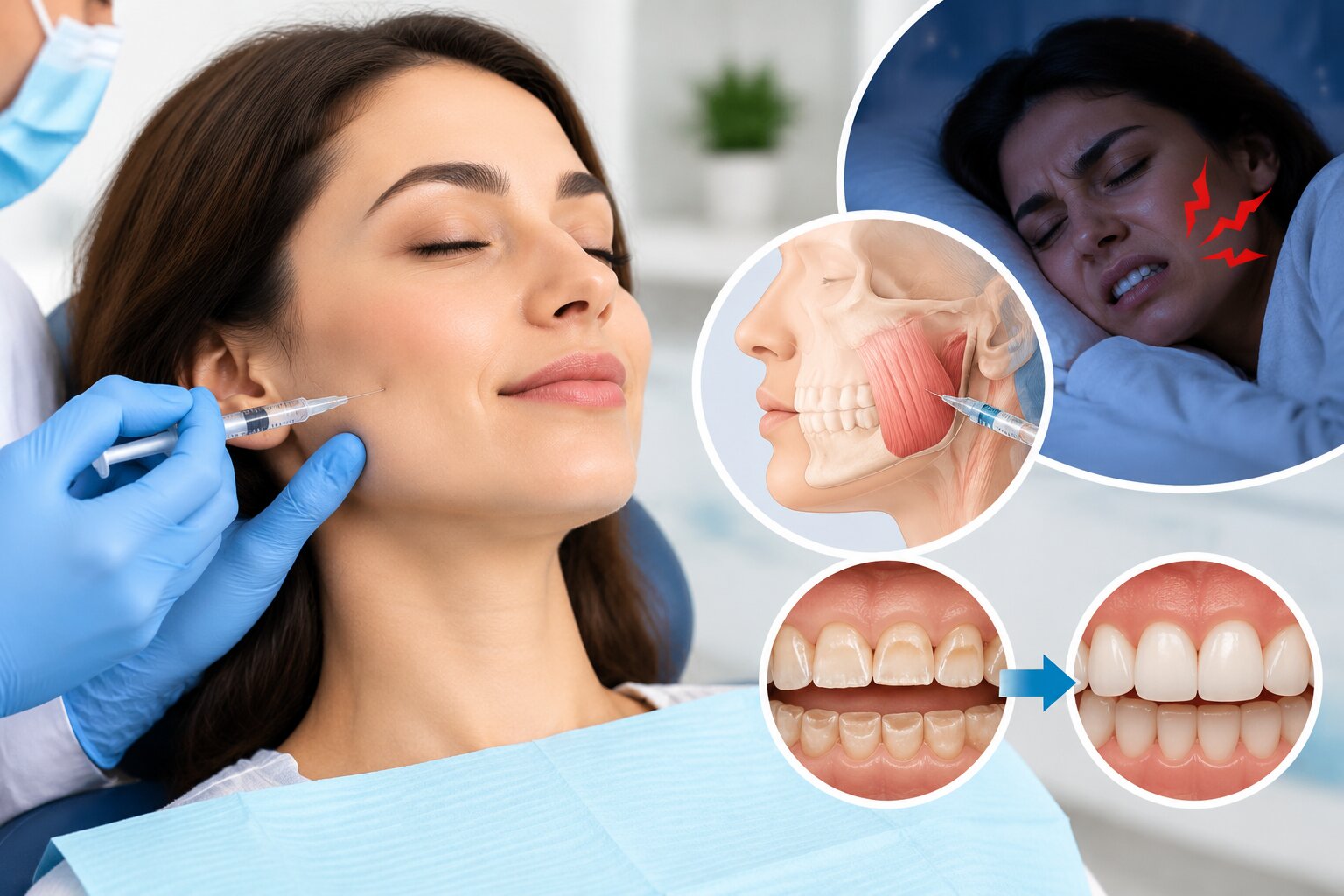
Understanding Teeth Grinding and Its Impact on Your Teeth
Teeth grinding is a common issue that affects many adults and children. This condition, also called bruxism, happens when a person repeatedly clenches or grinds their teeth. Many people do this during sleep without realizing it. Others may clench their jaw during stressful moments or while focusing on daily activities.
Although occasional teeth grinding may not cause serious concerns, frequent grinding can place heavy pressure on your teeth. Over time, constant grinding pressure can gradually weaken the enamel that protects your teeth. When enamel becomes weaker, your teeth may become more sensitive and more likely to develop damage.
Many patients do not notice teeth grinding until symptoms appear. They may wake up with jaw soreness, facial tension, headaches, or tooth sensitivity. Some people also notice changes in their teeth, such as flattened edges or small cracks. These signs often indicate that the teeth are experiencing excessive pressure.
Addressing teeth grinding early can help protect your long-term oral health. A dentist can evaluate your grinding habits and recommend the right treatment based on your needs. A Raleigh dentist for teeth grinding can examine your teeth, jaw muscles, and overall oral condition to understand your specific concerns.
What Is Teeth Grinding (Bruxism)?
Bruxism refers to repeated teeth clenching or grinding that happens without normal chewing.It may happen during waking hours or continue unnoticed while you sleep.Sleep-related bruxism is especially difficult to notice because most people are unaware of the habit while they rest.
Daytime teeth grinding is often linked with stress, concentration, or tension. Certain situations, such as work, driving, or stressful moments, may cause people to clench their jaw. These repeated movements can create extra activity in the jaw muscles.
Several factors may contribute to bruxism. Teeth grinding may be linked to stress, sleep patterns, personal habits, or increased jaw muscle activity. Identifying the main trigger is important because symptoms and treatment needs can vary from person to person..
If bruxism continues over an extended period, it may impact your teeth and create jaw discomfort. Excessive grinding pressure may lead to tooth wear, sensitivity, and discomfort around the jaw area. Professional Bruxism treatment Raleigh NC focuses on identifying these concerns and finding suitable ways to manage them.
How Does Teeth Grinding Damage Your Teeth?
Your teeth can manage everyday forces created during normal biting and chewing activities. However, grinding creates a much stronger force that happens repeatedly. This constant pressure can slowly damage the structure of your teeth.
One of the first effects of grinding is enamel wear. As the enamel layer gradually wears away, the sensitive parts inside the tooth may become less protected. This can make teeth react more strongly to hot, cold, sweet, or acidic foods.
Long-term grinding can also create tiny cracks in teeth. These cracks may become larger if the pressure continues over time. In certain situations, teeth affected by grinding may need restorative care to improve their strength and function.
Teeth grinding may also place extra strain on previous dental treatments. Fillings, crowns, and other restorations can experience pressure from repeated grinding forces. Protecting your teeth from continued damage is important for maintaining a healthy smile.
For some patients, reducing excessive jaw muscle activity may help manage grinding pressure. Botox for teeth grinding Raleigh NC is one treatment option that some dental professionals use to help relax overactive jaw muscles. Botox does not repair teeth that are already damaged, but it may help reduce the force created by strong jaw muscle contractions.
If teeth grinding is also causing jaw discomfort, exploring Jaw pain treatment Raleigh NC options with a dental professional may help improve comfort and protect your oral health.
Recognizing the signs of teeth grinding early can make a significant difference. With the right care approach and professional guidance, patients can work toward protecting their teeth and improving oral health.
Signs Your Teeth May Be Damaged by Grinding
Many people ignore early signs of teeth grinding. Identifying these warning signs early can help reduce the risk of additional dental concerns. A Raleigh dentist for teeth grinding can evaluate your symptoms and check for possible damage.
Tooth sensitivity is one common sign of grinding damage. Some people may feel sensitivity while consuming hot or cold foods. This can occur when enamel becomes worn and provides less protection.
Another warning sign is flattened or worn tooth surfaces. Healthy teeth usually have natural shapes and edges. Constant grinding can slowly change their appearance over time.
Some patients may also experience small cracks in their teeth. These cracks can develop from repeated pressure and stress. Without proper care, they may become larger and require additional treatment.
Jaw discomfort is another common concern related to grinding. Many people experience soreness around the jaw area after waking up. In these situations, Jaw pain treatment Raleigh NC options may help address discomfort and improve daily comfort.
How Untreated Teeth Grinding Can Affect Your Oral Health
Ignoring teeth grinding can create long-term challenges. Continuous pressure may weaken teeth and increase the chance of damage. It can also affect existing dental work, including fillings and crowns.
Over time, severe grinding may require restorative dental care. Early attention can help protect natural teeth and maintain oral health. A dentist can review your symptoms and suggest treatment choices that match your specific needs.
For some patients, reducing excessive jaw muscle activity may be helpful. Botox for bruxism Raleigh is one option used by some dental professionals to manage strong jaw muscle contractions. A personalized evaluation helps determine if this approach is suitable.
Professional Bruxism treatment Raleigh NC focuses on understanding the reason behind grinding. It helps patients explore solutions that match their symptoms and oral health needs. Early care can make a meaningful difference in protecting your smile.
How Botox May Help Protect Teeth From Grinding Damage
When teeth grinding continues, excessive jaw muscle activity can create strong pressure. This pressure may affect teeth, jaw comfort, and overall oral health.Understanding different treatment approaches helps patients choose the right option based on their dental needs.
Botox for teeth grinding Raleigh NC is one approach that some dental professionals use for managing overactive jaw muscles. Botox temporarily reduces strong jaw muscle activity, which may help decrease excessive contraction force. It does not remove normal jaw movement or affect regular chewing functions.
Instead, Botox may help reduce the amount of force created by strong jaw muscles. By reducing excessive jaw muscle activity, Botox may help lessen the pressure created during clenching and grinding. This can be helpful for some patients experiencing frequent grinding concerns.
Patients should understand that Botox may help control grinding forces, but it does not restore teeth that are already worn or affected. Patients with cracked teeth, enamel loss, or other dental concerns may need additional treatments. A complete dental evaluation helps identify the best solution.
Can Botox Prevent Tooth Damage From Bruxism?
Many patients ask if Botox can completely stop tooth damage.The results may vary depending on the patient’s symptoms, grinding patterns, and overall dental condition. Botox may help reduce muscle force, but results can vary between individuals.
For patients with strong jaw clenching habits, reducing muscle tension may provide better comfort. It may also help decrease repeated pressure on teeth. However, maintaining good dental care remains important.
A professional assessment helps determine whether Botox fits your needs. A Raleigh dentist for teeth grinding can examine tooth wear, jaw muscles, and symptoms before suggesting treatment options.
Patients should also understand that Botox works differently from protective treatments. For instance, a night guard works as a protective layer that separates the upper and lower teeth. Botox focuses on reducing excessive muscle activity that contributes to grinding pressure.
Botox Compared With Other Teeth Grinding Treatments
Different patients may need different approaches for managing bruxism. Night guards are commonly recommended to protect teeth from direct grinding contact. They can help reduce physical wear caused by tooth-to-tooth pressure.
Lifestyle changes may also support better jaw comfort. Stress management, relaxation habits, and improved sleep routines can help some patients reduce tension.
For patients experiencing jaw discomfort, Jaw pain treatment Raleigh NC options may include different methods based on symptoms. A dentist can review your concerns and recommend suitable care.
Botox for bruxism Raleigh may be considered when jaw muscles remain highly active. Professional guidance is important because every patient has unique dental needs. Combining proper evaluation with the right treatment approach can help protect your smile.
What Happens During a Botox Consultation for Teeth Grinding?
A Botox consultation begins with a conversation about your symptoms. Your dentist may ask about jaw discomfort, tooth sensitivity, and grinding habits.
The next step usually involves examining your teeth and jaw muscles. This evaluation helps your dentist assess the impact of grinding on your oral health while reviewing any previous dental treatments you have received.
If excessive jaw muscle activity is contributing to your concerns, treatment options can be discussed. Botox for teeth grinding Raleigh NC may be considered for some patients with strong jaw muscle activity.
Patients should understand that Botox is only one possible option.The most suitable approach depends on a patient’s unique symptoms, dental condition, and treatment objectives. A personalized evaluation helps ensure better care decisions.
Tips to Help Protect Your Teeth From Grinding Damage
Protecting your teeth starts with paying attention to early warning signs.Regular dental examinations can help detect changes caused by grinding before they lead to more serious problems.
Using a dentist-recommended night guard may help protect teeth during sleep. It creates a barrier between teeth and reduces direct grinding contact.
Managing daily stress may also support better jaw relaxation. Simple habits, such as mindful jaw positioning, can reduce unnecessary tension.
Avoiding hard chewing habits may also protect weakened teeth. If you notice sensitivity or jaw discomfort, seek professional advice early.
For patients experiencing ongoing grinding concerns, Bruxism treatment Raleigh NC can provide guidance. A dentist can recommend suitable options based on your condition.
Final Thoughts
Teeth grinding can gradually impact your smile, comfort, and dental health. Recognizing early symptoms can help protect your teeth from future damage.Treatment options depend on your symptoms, dental condition, and grinding habits. Botox for teeth grinding Raleigh NC may be considered for patients experiencing excessive jaw muscle activity. At North Raleigh Dental Studio, dental professionals evaluate each patient’s needs and suggest suitable treatment options. If you are dealing with teeth grinding, jaw tension, or tooth wear, schedule a consultation today. Call (919) 847-3899 or book an appointment through the website: https://dentistnorthraleigh.com/contact-us/ .