Introduction
Facial wrinkles are a natural part of skin aging. They often appear slowly over time. Many wrinkles form because facial muscles move every day. Smiling, frowning, squinting, and raising eyebrows all move the skin. These repeated movements can create small folds on the face. Over time, those folds may become deeper and more visible.
Some wrinkles appear because skin loses firmness with age. Sun exposure, stress, dry skin, and lifestyle habits can also affect skin. Many adults first notice lines on the forehead. Others see lines around the eyes or between eyebrows. These changes can make the face look tired or tense. This is why many people search for Botox for facial wrinkles.
Botox is often used for wrinkles caused by facial movement. These are also known as expression lines. Botox helps relax selected facial muscles for a temporary time. When those muscles move less, the skin may look smoother. The goal is not to change your natural face. The goal is to create a softer and refreshed appearance.
Patients should learn how Botox works before choosing treatment. A proper consultation helps set clear and realistic goals. A trained provider can study facial movement before treatment. This helps create a safe and balanced plan. For local care, patients can learn more about Botox treatment in North Raleigh.
What Is Botox and How Does It Work?
Botox is an injectable treatment used in targeted muscles. It helps reduce muscle activity for a limited period. In cosmetic care, Botox is often used for facial wrinkles. Many patients choose Botox wrinkle treatment for visible expression lines.
Wrinkles often appear when facial muscles pull the skin repeatedly. This happens during normal expressions throughout the day. Botox helps relax the active muscles causing those lines. When the muscle relaxes, the skin folds less often. This can help wrinkles appear softer and smoother.
Botox does not work like a regular skin cream. Creams usually support the surface of the skin. Botox works below the skin in selected muscle areas. This makes it useful for movement-based facial lines. It may help when expressions create repeated folds.
A careful treatment plan is very important for natural results. The provider should check how your face moves first. They should also understand your goals before treatment starts. This helps avoid an overdone or stiff appearance. Good Botox care should support natural facial movement.
Dentists also understand facial muscles, jaw movement, and smile balance. This knowledge can help when planning facial treatments. Botox may also support patients with jaw tension or clenching concerns. It can be part of a wider facial comfort plan.
Simple Meaning of Botox
In simple words, Botox helps calm overactive facial muscles. These muscles may cause wrinkles, tension, or discomfort. For cosmetic use, Botox is placed in specific facial areas. It helps reduce the strong movement that creates visible lines.
Many people ask about Botox for face wrinkles because they want simple care. They may want smoother skin without surgery. Botox can be a non-surgical option for suitable patients. It is usually planned after a personal consultation.
Botox is not the right choice for every wrinkle. It works best on wrinkles caused by facial movement. These may include forehead lines and eyebrow lines. It may also help lines around the eyes. A provider can explain which wrinkles may improve.
Patient safety should always come first during treatment planning. You should share your health history before treatment. You should also discuss past treatments or allergies. This helps the provider decide if Botox is suitable. Clear guidance also helps you understand expected results.
How Botox Helps Smooth Facial Wrinkles
Botox helps smooth wrinkles by reducing repeated muscle movement. For example, frowning can create lines between the eyebrows. Many patients choose Botox for frown lines for this reason. These lines often appear when people look serious or stressed.
When Botox relaxes these muscles, the skin moves less. This may soften the appearance of visible lines. The face can look more relaxed and rested. The result should still match your natural expression.
Botox results are temporary and need proper maintenance. The exact plan depends on your facial muscles. It also depends on your goals and treatment area. A trained provider can guide you with the right plan.
Facial confidence is also linked with overall oral health. Healthy teeth, gums, jaw muscles, and facial balance matter. Dental care and facial care can support each other. Botox may be one useful part of this care approach. It can help patients understand both appearance and comfort better.
Which Face Wrinkles Can Botox Help Reduce?
Botox can help reduce wrinkles caused by facial movement. These wrinkles often appear when muscles move repeatedly. Common movements include smiling, frowning, squinting, and raising eyebrows. Over time, these expressions can leave visible lines. Botox helps relax selected muscles for a temporary time. This may make the skin look smoother and more rested. Many patients choose Botox for facial wrinkles when expression lines become noticeable.
Botox does not treat every type of wrinkle the same way. It works best on movement-based wrinkles. These are lines caused by active facial muscles. Deep skin folds from aging may need other care. That is why a personal consultation matters. A trained provider can study your face first. They can explain which areas may respond well.
Forehead Lines
Forehead lines are common in many adults. These lines often appear when you raise your eyebrows. They may start as light lines during expression. Later, they can stay visible even at rest. Botox can help relax the forehead muscles gently. This may reduce the repeated folding of the skin.
A smoother forehead can make the face look calmer. It may also help reduce a tired appearance. The goal should not be a stiff look. A proper Botox wrinkle treatment should support natural movement. The forehead should still match your normal expression. This careful balance helps results look more natural.
Frown Lines Between the Eyebrows
Frown lines often appear between the eyebrows. Many people call them “11 lines.” These lines can appear from frowning, squinting, or stress. They may make a person look worried or upset. Some people notice these lines even when relaxed.
Many patients ask about Botox for frown lines because of this concern. Botox can relax the small muscles between the eyebrows. When these muscles move less, the lines may soften. This can help the upper face look more relaxed. It may also create a friendlier facial appearance. The result depends on muscle strength and line depth.
Crow’s Feet Around the Eyes
Crow’s feet are small lines near the eye corners. They often appear when people smile or squint. These lines are very common with age. Sun exposure and dry skin may make them worse. Botox can help relax the muscles around this area. This may soften the lines during facial movement.
Crow’s feet should be treated with care. The eye area is delicate and expressive. A trained provider should use a careful plan. The goal is to soften lines, not remove expression. Natural smiling should still feel easy and comfortable.
Fine Lines Caused by Facial Expressions
Fine lines can appear in many facial areas. They often begin as small movement marks. These lines may form from daily expressions. Some patients notice them on the forehead first. Others notice them around the eyes or eyebrows. Botox can help reduce selected expression-based lines.
Many people search for Botox for face wrinkles when these lines change. Botox may help when the main cause is muscle movement. It can support smoother skin in targeted areas. However, skin care still matters every day. Good oral health and facial balance also matter. Healthy teeth, gums, and jaw muscles support your full smile. This is why dental care can support overall facial confidence.
Why Do Many Adults Choose Botox for Wrinkle Reduction?
Many adults choose Botox because it is non-surgical. It does not require cuts or long recovery. The treatment is usually planned during an office visit. Patients can discuss their goals before starting. This makes the process easier to understand.
Botox may also fit busy adult schedules. The appointment is often simple and focused. The provider checks facial movement before treatment. Then they choose the correct areas with care.
Natural-Looking Results When Done Properly
Many patients want softer wrinkles without looking different. Proper Botox care should support this goal. It should not make the face look frozen. A skilled plan can help preserve normal expression. The face should still look like you.
Natural-looking results depend on careful planning. The provider must understand facial movement and balance. This is especially important around the forehead and eyes. Small changes can affect the full facial appearance. A clear consultation helps create safer expectations.
What Happens During a Botox Appointment?
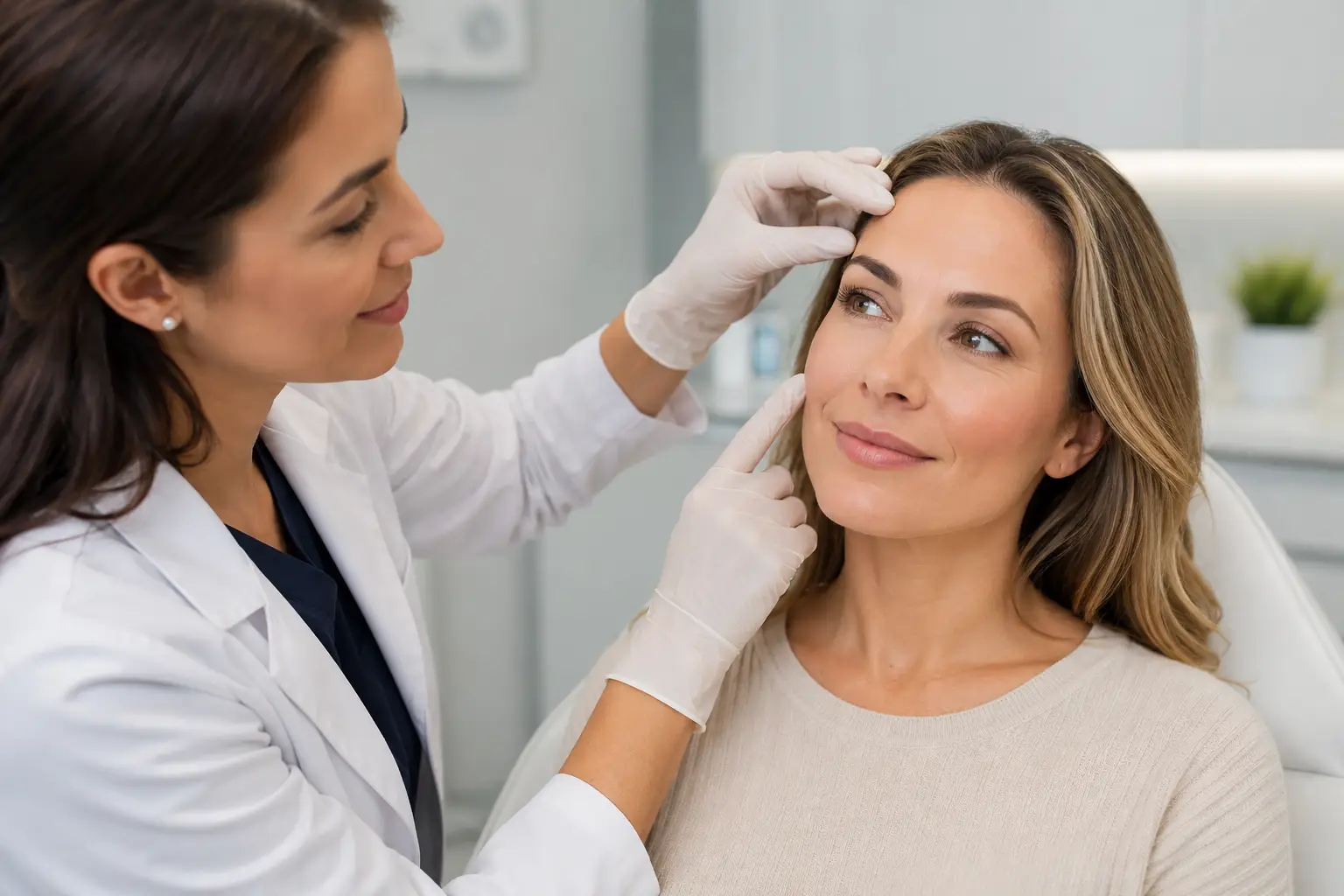
A Botox appointment starts with a careful consultation. The provider first listens to your facial concerns. They may ask where wrinkles bother you most. Some patients worry about forehead lines. Others ask about Botox for frown lines. The goal is to understand your needs clearly.
Your provider will also check your facial movement. They may ask you to smile, frown, or raise eyebrows. This helps them see how your muscles move. It also helps them choose the right treatment areas. A careful check supports safer and more natural results.
A good Botox plan should never feel rushed. Each face has different muscle strength and wrinkle depth. Your provider should explain what Botox can improve. They should also explain what results may look realistic. This helps you make a confident treatment decision.
Consultation and Facial Assessment
The consultation is an important first step. It helps create a treatment plan that fits your face. The provider studies your wrinkles, skin movement, and muscle activity. This is especially important for Botox for facial wrinkles.
During this step, you can share your goals. You may want softer wrinkles without changing your expression. You may also want a relaxed and refreshed appearance. Clear communication helps your provider plan treatment better.
Your health history also matters before treatment. You should discuss past treatments, allergies, and health concerns. This helps reduce possible risks during care. A safe plan begins with honest information.
Botox Injection Process
The Botox injection process is usually simple and focused. The provider marks or selects the treatment areas carefully. Then small amounts of Botox are placed into targeted muscles. These injections help relax the muscles causing visible lines.
Many patients choose Botox wrinkle treatment because it is non-surgical. It does not require cutting or major downtime. The treatment usually focuses on specific wrinkle areas. These may include the forehead, eyebrow area, or eye corners.
The process should be done with careful control. Too much Botox may affect natural movement. Too little may not create the desired change. That is why skill and facial knowledge are very important.
Aftercare Guidance
Aftercare is important after a Botox appointment. Your provider will explain what to avoid after treatment. Patients are often advised not to rub treated areas. This helps keep the product in the correct place.
You may also be told to avoid pressure on the face. Strenuous activity may be limited for a short time. These steps help support better treatment results. Always follow the instructions given by your provider.
Good aftercare also helps protect your comfort. Mild redness or swelling may happen after injections. These effects are usually temporary. Contact your provider if anything feels unusual or concerning.
How Long Does Botox Take to Show Results?
Botox results do not usually appear instantly. The muscles need time to relax after treatment. Some patients may notice early changes within a few days. Full results may take more time to appear.
The timeline can vary for each person. Muscle strength, treatment area, and wrinkle depth all matter. Patients using Botox for face wrinkles should keep realistic expectations. The face may gradually look smoother and more rested.
Botox results are temporary. The treated muscles slowly regain movement over time. This means maintenance treatments may be needed later. Your provider can suggest a schedule based on your goals.
Is Botox Safe for Reducing Facial Wrinkles?
Botox can be safe when handled by a trained provider. Safety depends on proper planning, correct placement, and careful dosing. The provider must understand facial muscles and treatment limits. This helps reduce unwanted side effects.
Possible effects may include redness, swelling, or small bruising. These are usually mild and short-lasting. Some patients may feel slight tenderness at injection points. Your provider should explain possible effects before treatment.
Patients should never hide important health details. Share any current medicines, health conditions, or past reactions. This helps your provider decide whether Botox is suitable. A trusted consultation protects your safety and results.
Botox at a Dental Office: Why It Makes Sense
Dentists understand facial muscles, jaw movement, and smile balance. This knowledge can help when planning facial treatment areas. The mouth, jaw, and facial muscles work closely together. A balanced smile depends on more than teeth alone.
Botox may also support patients with jaw-related muscle concerns. Some patients deal with clenching, grinding, or jaw tension. These issues can affect comfort and facial appearance. Dental care can help connect function, comfort, and facial balance.
Patients can learn more through Botox treatment in North Raleigh when considering this option. A proper consultation can explain the best treatment path. It can also help connect cosmetic goals with dental wellness.
Who May Be a Good Candidate for Botox?
A good Botox candidate usually has movement-based facial lines. These lines often appear during normal facial expressions. They may show when you smile, frown, or squint. Many adults consider Botox for facial wrinkles when these lines become clear. Botox may help soften these lines without surgery.
A candidate should also have realistic treatment goals. Botox can reduce selected wrinkles, not change your whole face. It works best when facial muscles create the lines. A consultation helps confirm if treatment is suitable. The provider can check your skin, muscles, and facial movement.
Patients should also understand that results are temporary. Botox needs proper planning and possible maintenance visits. A trained provider can explain the expected results clearly. This helps patients make a safe and informed decision.
Adults With Expression Lines
Expression lines are common on the upper face. These include forehead lines, crow’s feet, and frown lines. Many people ask about Botox for frown lines between the eyebrows. These lines may make the face look tense or tired.
Botox may help relax the muscles creating these lines. When muscle movement becomes softer, the skin folds less often. This can help the face look more calm and rested. The goal should always be a natural-looking result. Your face should still show normal expressions after treatment.
People Looking for a Non-Surgical Option
Some patients want smoother skin without surgery. Botox can be a helpful option for suitable adults. It does not need cuts or a long recovery. This makes Botox wrinkle treatment easier for many busy patients.
However, Botox should still be planned with care. The provider must understand your facial movement and goals. They should explain what Botox can and cannot improve. This helps avoid false hopes and poor results.
Botox may fit patients who want subtle facial smoothing. It may also support confidence when lines affect appearance. A careful plan can help patients feel more comfortable. It can also support a fresher and balanced facial look.
Conclusion
Botox can help reduce selected facial wrinkles in a safe way. It works by relaxing targeted facial muscles for a short time. This helps soften lines caused by repeated facial movement. Many patients choose Botox for facial wrinkles when expression lines become clearer.
Botox may help with forehead lines, crow’s feet, and frown lines. It can also support a smoother and more rested look. However, every face is different. That is why a personal consultation is very important. A trained provider can check your facial movement first. They can also explain if Botox wrinkle treatment suits your goals.
Patients should remember that Botox results are temporary. Proper aftercare and maintenance visits can support better results. Healthy teeth, gums, jaw muscles, and facial balance also matter. They all support your smile and overall confidence.
To learn more, visit Botox treatment in North Raleigh and schedule a consultation. A careful plan can help you understand the right option.