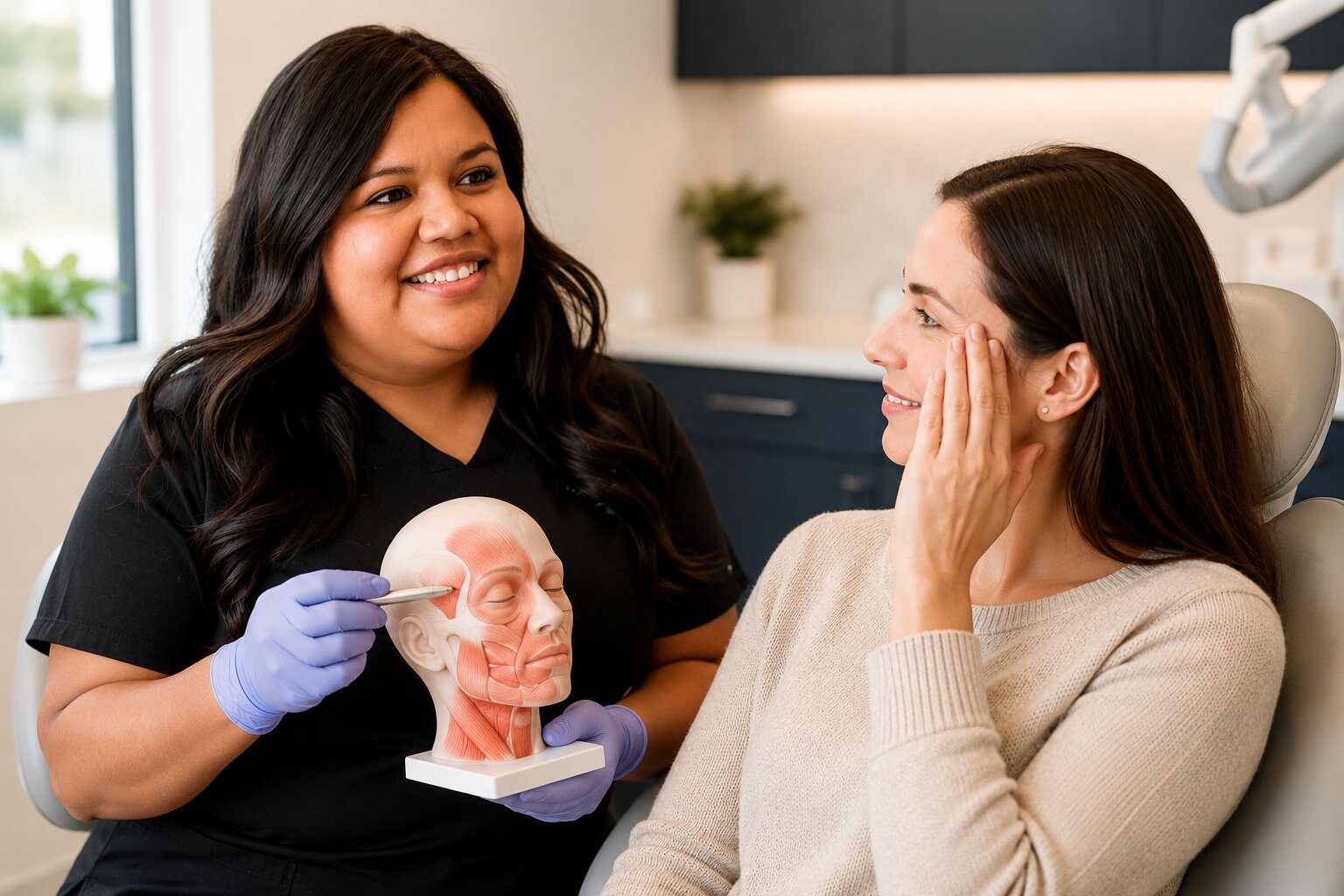
Headaches can make daily life hard and tiring. They may affect work, sleep, mood, and focus. Some people feel pain only once in a while. Others deal with headaches again and again. When headaches keep coming back, it is important to understand the cause.
Many headaches are linked to stress, posture, or muscle tension. Some may also connect with jaw clenching or teeth grinding. When jaw muscles stay tight for long periods, pain can spread. It may move into the temples, face, neck, and head. This is why some patients ask about Botox for headaches.
Botox is often known for cosmetic care. However, it may also help with muscle-related pain. Botox works by relaxing selected overactive muscles. When these muscles relax, they may place less strain on nearby areas. This may help reduce certain headache triggers in some patients.
Patients often search for Botox for migraines or Botox headache treatment. These treatments are not the same for every person. Headaches can have many causes. A proper exam helps decide the right treatment path. For patients with jaw tension, TMJ symptoms, or clenching, Botox may be worth discussing.
At North Raleigh Dental Studio, patients can learn more about Botox treatment Raleigh NC for jaw tension, facial discomfort, and headache concerns. This type of care focuses on comfort and muscle balance. It is not a one-size-fits-all solution. It should be based on each patient’s symptoms and needs.
Understanding Headaches and Muscle Tension
Headaches are not always caused by the same problem. Some may come from sinus pressure, poor sleep, or dehydration. Others may come from tight muscles in the face and jaw. When muscles stay tense, they may create pressure around the head.
Muscle tension can build slowly during the day. Stress is a common reason for this. Many people clench their jaw without noticing it. Some grind their teeth while sleeping at night. Over time, these habits may strain the jaw muscles.
The jaw muscles are strong and active every day. They help with chewing, speaking, and swallowing. When these muscles work too hard, they may become sore. This soreness can also affect nearby muscles. Pain may then travel toward the temples or forehead.
This is where Botox for TMJ headaches may help some patients. TMJ-related headaches often involve jaw tension and muscle overuse. The TMJ is the joint that helps the jaw move. When the joint or muscles become stressed, discomfort can spread.
Botox for jaw clenching headaches is another related topic. Clenching can keep the jaw muscles under pressure for hours. This can lead to morning headaches or facial soreness. Some patients also notice tooth wear or jaw stiffness. These signs should not be ignored.
Why Muscle Tension Can Trigger Head Pain
Muscles in the face, jaw, neck, and temples are connected. When one area becomes tight, other areas may react. A tight jaw can affect the temples. A stiff neck can add pressure near the head. This chain reaction may create repeated pain.
People often hold stress in their jaw and shoulders. This may happen during work, driving, or sleep. Many patients do not notice it right away. They only notice pain after tension builds.
Jaw clenching can also place pressure on the teeth. The teeth, jaw joint, and muscles all work together. When one part is stressed, the whole area may feel strained. This strain can become a headache trigger.
Botox headache treatment may help when muscle tension plays a role. It works by calming selected muscles. This may reduce the force of clenching or tight movement. Less muscle strain may mean less pressure around the head.
Patients looking for Botox headache treatment Raleigh NC should first seek an evaluation. A dental provider can review jaw movement and bite pressure. They can also check signs of grinding or clenching. This helps decide whether muscle tension may be involved.
Common Signs of Tension-Related Headaches
- Pressure Around the Forehead
Tension-related headaches often feel like steady pressure around the forehead. Some patients describe it as a tight band around the head. This pressure may build slowly during the day. It can worsen with stress, jaw tension, or poor posture. - Pain Near the Temples
Temple pain can happen when nearby muscles stay tight. Jaw clenching may place extra strain on these muscles. This pain may feel dull, heavy, or sore. It may also appear after long work hours or stressful days. - Jaw Soreness or Tightness
Jaw soreness may be a sign of muscle-related head pain. Many people clench their jaw without noticing it. This can strain jaw muscles and nearby areas. Over time, the tension may spread toward the head and temples. - Morning Headaches
Morning headaches may happen after nighttime teeth grinding. The jaw muscles may stay active while sleeping. This can lead to soreness after waking. Patients may also notice facial tightness, tooth sensitivity, or jaw stiffness. - Neck and Shoulder Stiffness
Tension headaches can also involve neck and shoulder tightness. These muscles connect with the head and jaw area. Poor posture may make this problem worse. Long screen time can also add stress to these muscles. - Facial Tightness or Soreness
Some patients feel tightness across the cheeks or face. This may happen when facial muscles stay tense. Jaw clenching can also increase facial pressure. Botox for headaches may be discussed when muscle tension is involved. - Head Pain Linked with Stress
Stress can make muscles tighten without clear warning. Many people hold stress in the jaw and neck. This can create repeated headaches over time. Relaxation, dental care, and proper evaluation may help find relief.
How Botox Works for Muscle Relaxation
Botox is often linked with smoother-looking skin. However, it also has medical uses. It may help relax selected muscles when they are overactive. This makes it useful for some muscle-related pain concerns.
When muscles stay tight for too long, discomfort may spread. This can happen in the jaw, face, temples, and neck. These areas can play a role in certain headaches. That is why some patients ask about Botox for headaches.
Botox works by calming muscle activity in targeted areas. It does not numb the whole face or jaw. Instead, it helps reduce extra muscle movement. This may lower pressure caused by clenching or tension.
Patients with jaw tension may benefit from this effect. When jaw muscles relax, they may feel less strained. This may also reduce pressure around the temples. For some patients, that can support better daily comfort.
People searching for Botox headache treatment should understand one thing. Botox is not a quick fix for every headache. It works best when muscle tension is part of the problem. A professional exam can help confirm this connection.
What Botox Does to Overactive Muscles
Overactive muscles can stay tense even during rest. This often happens with jaw clenching or teeth grinding. The jaw muscles may keep working without a clear need. Over time, this can create pain and tiredness.
Botox helps reduce signals that tell muscles to tighten. This allows the treated muscle to relax more easily. The goal is not to stop normal movement. The goal is to reduce harmful overuse and strain.
For patients with Botox for jaw clenching headaches, this matters. Less clenching may mean less pressure on the jaw. It may also reduce stress on nearby facial muscles. This can help some patients feel more comfortable.
Botox for TMJ headaches may also work this way. TMJ-related pain often involves tight jaw muscles. When these muscles relax, the joint may feel less stress. This may help reduce headache triggers linked to jaw tension.
How Relaxed Muscles May Reduce Headache Triggers
Headaches can begin when tight muscles create pressure. This pressure may move from the jaw into the temples. It may also affect the face, neck, and head. Relaxing these muscles may reduce this chain reaction.
Botox for headaches may help when tension is a key cause. It may lower muscle strain around problem areas. This can reduce repeated pressure during the day or night. Patients may notice less jaw fatigue over time.
Some people also search for Botox for migraines. This is a different treatment area. Botox is approved for chronic migraine prevention in adults. Migraine care should be guided by a medical provider.
Dental Botox focuses more on jaw-related muscle problems. It may help patients with clenching, grinding, and TMJ symptoms. These problems can also lead to headache discomfort. The best choice depends on the patient’s symptoms.
Patients looking for Botox headache treatment Raleigh NC should start with evaluation. A provider can review jaw movement and headache patterns. They can also check signs of grinding or muscle tension. This helps create a safer and clearer care plan.
North Raleigh Dental Studio offers Botox treatment Raleigh NC for jaw tension, facial discomfort, and related headaches. This care is designed around each patient’s needs. A proper visit helps decide if Botox is suitable.
Can Botox Help TMJ-Related Headaches?
TMJ-related headaches often start near the jaw area. The jaw joint works with many nearby muscles. When these muscles become tight, pain may spread upward. This can affect the temples, cheeks, neck, and head.
Botox for TMJ headaches may help selected patients. It works by relaxing tense jaw muscles. This may reduce pressure around the jaw joint. When muscle strain improves, headache triggers may also decrease.
This does not mean Botox treats every headache type. Headaches can come from many different causes. Some may need medical care from another provider. A dental exam helps find jaw-related signs first.
Patients searching for Botox for headaches should understand the cause. If pain links to clenching or grinding, Botox may help. If pain links to chronic migraine, care may differ. Botox for migraines is usually managed with medical guidance.
The Link Between TMJ, Jaw Tension, and Headaches
The TMJ helps the jaw open, close, and move. When this joint is stressed, nearby muscles may tighten. Jaw clenching can make this pressure worse over time. Teeth grinding may also keep muscles active during sleep.
This repeated muscle use can lead to soreness. Some patients wake with jaw pain or headaches. Others feel temple pressure after stressful days. These signs may point toward muscle-related head pain.
Botox for jaw clenching headaches may help reduce overuse. By relaxing strong jaw muscles, pressure may become lower. This may support comfort during chewing, speaking, and rest.
Why Dentists May Use Botox for Jaw Muscle Pain
Dentists understand how the bite and jaw muscles work together. They can check clenching, grinding, and TMJ-related symptoms. This helps them decide if dental Botox may be suitable.
A trained dental provider can target the right muscle areas. The goal is to reduce excess tension, not normal function. This may support better comfort for selected patients.
Patients looking for Botox treatment Raleigh NC can discuss their symptoms with North Raleigh Dental Studio. A careful consultation can help guide the best care plan. This makes Botox headache treatment Raleigh NC more personalized and safe.
What to Expect During Botox Treatment
A Botox visit starts with a careful symptom review. The provider may ask about headache patterns and jaw pain. They may also ask about clenching, grinding, and stress. This helps them understand what may trigger your pain.
If muscle tension seems involved, Botox may be discussed. The provider may check the jaw, bite, and facial muscles. This helps them choose the right treatment areas. The goal is to reduce extra muscle strain.
During treatment, Botox is placed into selected muscles. These areas may include the jaw or nearby facial muscles. The process is usually quick and simple. Most patients return to normal activities soon after treatment.
Botox for headaches does not work instantly for everyone. Some patients notice changes within several days. Full results may take more time to appear. Your provider can explain what to expect after care.
Benefits of Botox for Muscle-Related Headaches
- May Reduce Muscle Tightness
Botox may help relax overactive muscles linked with headaches. Tight jaw, face, or temple muscles can create pressure. When these muscles relax, the strain may decrease. This can help selected patients feel more comfortable during daily activities. - May Lower Jaw Clenching Pressure
Jaw clenching can place heavy stress on facial muscles. This pressure may move toward the head and temples. Botox for jaw clenching headaches may help reduce muscle force. Less clenching may support better jaw comfort and fewer tension triggers. - May Help TMJ-Related Head Pain
TMJ problems can cause pain around the jaw and head. Tight jaw muscles may make this discomfort worse. Botox for TMJ headaches may help by easing muscle tension. This can support comfort while chewing, speaking, and resting. - May Support Better Daily Comfort
Muscle-related headaches can affect work, sleep, and focus. When tension becomes lower, daily tasks may feel easier. Botox headache treatment may help selected patients manage discomfort. A proper evaluation helps decide if this option is suitable. - May Reduce Morning Headache Triggers
Some people wake with headaches due to nighttime grinding. The jaw muscles may stay active during sleep. Botox may help reduce this extra muscle activity. This can support better morning comfort for patients with clenching habits. - May Work with Other Care Options
Botox does not need to be the only treatment. It may work with mouth guards, stress control, or dental care. This combined approach may support better results. The right plan depends on each patient’s headache cause. - May Offer a Non-Surgical Option
Botox for headaches is a non-surgical treatment option. It does not require cuts or long recovery time. Treatment is usually quick and targeted. This makes it helpful for patients seeking simple muscle relaxation support.
When to Talk to a Dentist About Botox for Headaches
You should speak with a dentist if headaches connect with jaw pain. Morning headaches, facial soreness, or clenching may be warning signs. Teeth grinding and TMJ tightness should also be checked. These symptoms may point to muscle-related strain.
North Raleigh Dental Studio offers Botox treatment Raleigh NC for jaw tension, facial discomfort, and related headaches. A consultation can help decide if Botox is suitable. The right plan should match your symptoms and comfort needs.
Conclusion
Botox may help selected patients with muscle-related headaches. It works by relaxing overactive muscles in targeted areas. This may reduce pressure from jaw clenching, teeth grinding, and TMJ strain. For some people, this can support better comfort during daily life.
However, Botox for headaches is not right for every case. Headaches can have many causes, including medical and dental issues. That is why a proper evaluation is very important. Patients with jaw soreness, morning headaches, facial tightness, or TMJ pain should speak with a trained provider.
North Raleigh Dental Studio offers Botox treatment Raleigh NC for jaw tension, facial discomfort, and related headache concerns. A consultation can help decide if Botox headache treatment Raleigh NC is suitable for your needs.