Introduction:
Your mouth can show small changes for many reasons. Some changes may come from biting your cheek. Others may happen because of irritation, infection, or tissue changes. Most mouth spots are not serious. Still, they should never be ignored for too long.
A sore, patch, or lump can feel minor at first. It may even seem painless in the beginning. However, some mouth changes need a closer dental check. This is why regular dental visits are very important. A dentist can examine areas you may not see clearly.
Your dentist may recommend a brush biopsy when something looks unusual. This does not always mean cancer or a serious problem. It simply means the area needs a closer review. A brush biopsy helps check cells from the mouth surface. It can help your dentist understand the next step.
What Is a Brush Biopsy in Dentistry?
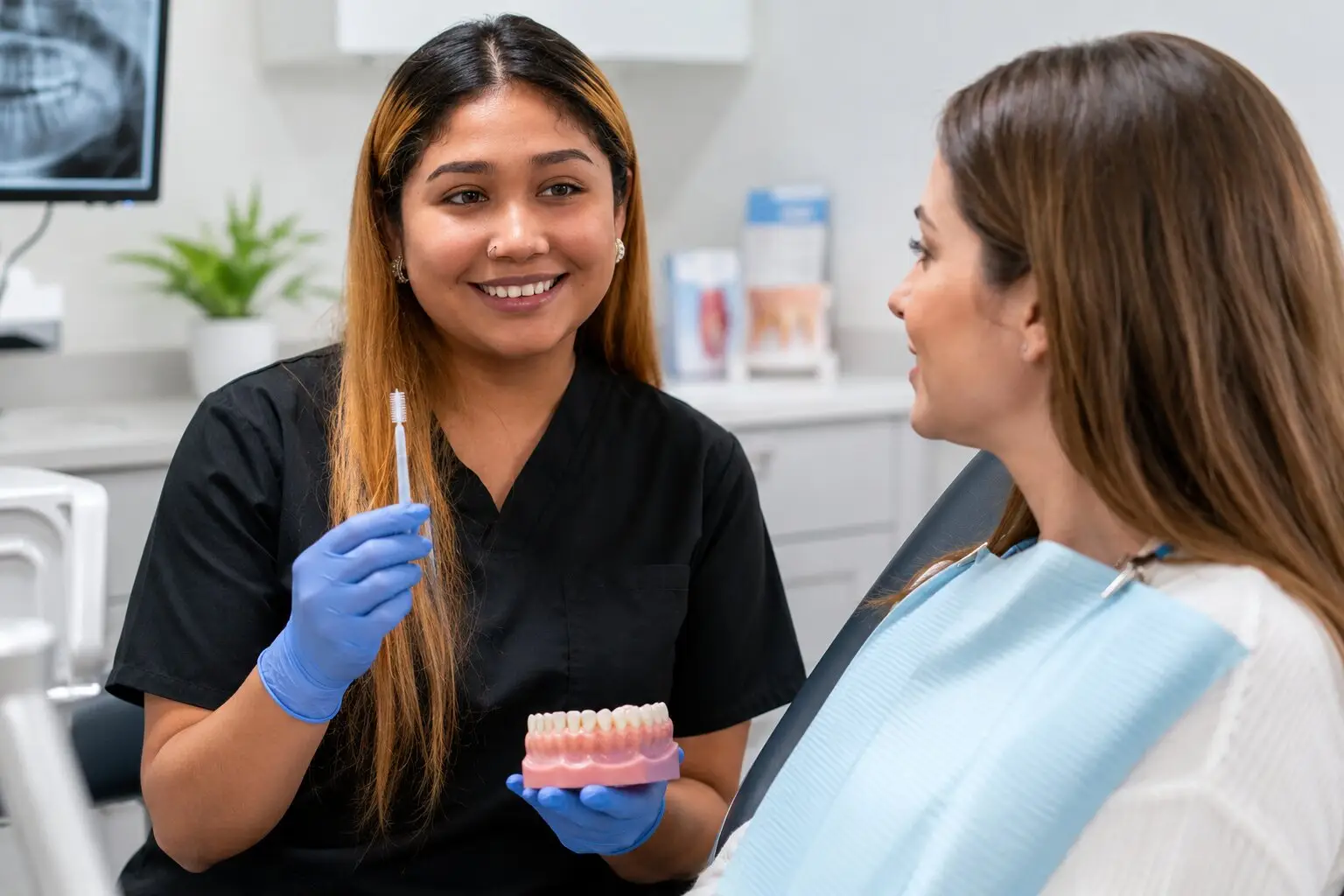
A brush biopsy is a simple dental screening test. It helps check unusual tissue changes inside the mouth. During this test, the dentist collects cells from the mouth surface. These cells may come from the gums, tongue, cheeks, or mouth roof.
A dental brush biopsy does not usually need cutting. It is often quick and comfortable for most patients. The dentist uses a small brush on the changed area. The collected cells are then sent for lab review. This review helps check for abnormal cell changes.
A brush biopsy is not the same as a final diagnosis. It is often used as an early screening tool. If results show concern, more testing may be needed. Your dentist will explain each step in simple terms. This helps you feel informed and less worried.
Patients looking for brush biopsy Raleigh NC can use this test for early oral screening. It may help check white patches, red patches, sores, or thick areas. Early review can help guide better dental care.
How It Is Different From a Regular Dental Exam
A regular dental exam helps your dentist check visible mouth problems. It includes your teeth, gums, tongue, and soft tissues. However, some changes may need closer review. A brush biopsy gives more details about unusual mouth tissue. It collects cells from the surface of the changed area. This helps your dentist decide the next step with better care.
1. A Regular Dental Exam Checks Visible Changes
A regular dental exam is mainly a visual check. Your dentist looks at your teeth, gums, and mouth tissues. They may find sores, swelling, or color changes. This exam is helpful, but it cannot always show cell-level concerns.
2. A Brush Biopsy Collects Cells for Review
A brush biopsy collects cells from the changed mouth area. Your dentist gently brushes the surface of the spot. These cells are then checked more closely. This helps find if the tissue change needs more care or testing.
3. It Gives More Information About Unusual Spots
Some mouth spots may look harmless during an exam. However, their cause may not be clear by sight. A brush biopsy gives more helpful details. It can support your dentist when a sore, patch, or lump needs checking.
4. It Supports Early Oral Health Screening
A brush biopsy can help check mouth changes early. Early screening may support better care and planning. It is useful when symptoms last longer than expected. This can help patients feel informed before more treatment is needed.
5. It Works Along With a Dental Exam
A brush biopsy does not replace a dental exam. It is an added step when needed. Your dentist may use both for better evaluation. Together, they help support safer, clearer, and more complete oral health care.
Why Your Dentist May Recommend a Brush Biopsy
Your dentist may recommend a brush biopsy after seeing unusual mouth tissue. This does not always mean you have a serious condition. It means the area needs a closer and safer review. Many mouth changes happen from common causes, like irritation. Some changes may also need early oral screening. A dental brush biopsy can help your dentist check cells from the surface. This added step may support better care and clearer answers. If you need a brush biopsy dentist Raleigh NC, early evaluation can help protect your oral health.
You Have a Mouth Sore That Does Not Heal
A mouth sore often heals within a short time. It may happen after biting your cheek or tongue. It can also come from hot food or sharp edges. However, a sore that stays longer needs attention. Your dentist may recommend a brush biopsy when healing seems delayed. This can help check the tissue more closely. The test may also help rule out serious concerns. A sore may appear on the lips, gums, cheeks, or tongue. Even painless sores should be checked by a dentist.
You Have White or Red Patches in the Mouth
White or red patches can appear for many reasons. Some patches may come from rubbing, infection, or irritation. Others may need a closer dental review. Your dentist will first check the size and location. They may also ask how long it has been present. If the patch looks unusual, a brush biopsy may help. It can collect cells from the changed area. This gives your dentist more information before planning next steps. Patients searching for brush biopsy Raleigh NC should not ignore lasting patches.
You Have an Unusual Spot, Lump, or Thickened Area
Sometimes patients feel a spot before they see it. It may feel raised, rough, firm, or thicker. A lump inside the mouth can feel concerning. Still, not every lump is dangerous or cancer-related. Your dentist can check its color, shape, and texture. They may also review your dental and health history. A brush biopsy may be suggested when the cause is unclear. It helps examine surface cells from the area. This can guide whether monitoring or more testing is needed.
You Have Risk Factors for Oral Health Problems
Some patients may have a higher risk of oral changes. Tobacco use can affect the soft tissues of the mouth. Heavy alcohol use may also raise oral health risks. Past mouth lesions can also need closer follow-up. HPV-related risks may be part of the discussion too. Your dentist may recommend regular oral screening for added safety. A dental brush biopsy may be used when changes appear. It supports early review without a complex first step. This helps patients stay informed and proactive.
Your Dentist Wants to Check Changes Early
Early checking can make oral health care more effective. Many mouth changes are easier to manage when found early. Your dentist may recommend a brush biopsy before symptoms worsen. This helps avoid delay when a concern needs attention. The goal is not to create fear. The goal is to collect useful information early. A brush biopsy can support careful and timely decisions. It may also reduce worry by giving clearer direction. Learn more about brush biopsy Raleigh NC if you have an unusual mouth change.
What Happens During a Brush Biopsy Procedure?
A brush biopsy is usually a simple dental visit step. Your dentist first checks the area inside your mouth. They look at the size, color, shape, and texture. They may also ask when you first noticed it. This helps your dentist understand the concern more clearly.
A dental brush biopsy is often used for surface tissue changes. It may help check sores, patches, or unusual spots. The goal is to collect cells for closer review. This can help your dentist decide the next care step. It is not meant to make patients feel worried. It is meant to support early and careful screening.
Step 1: Your Dentist Examines the Area
Your dentist begins with a careful mouth exam. They check your gums, cheeks, tongue, and mouth roof. They may also check your lips and throat area. This step helps find changes that need more review. Your dentist may ask about pain, bleeding, or numbness. They may also ask about tobacco use or past sores.
This first step is important for safe care. Not every mouth change needs a brush biopsy. Some spots may heal after irritation is removed. Others may need closer checking through oral screening. Your dentist will explain why the test is recommended.
Step 2: Cells Are Collected From the Mouth Surface
During the brush biopsy, your dentist uses a small brush. The brush is gently moved over the changed area. This helps collect cells from the mouth surface. The process is usually quick and easy. Many patients feel light pressure or mild scraping. It does not usually need stitches or cutting.
This step helps gather cells for lab review. The sample may come from a sore or patch. It may also come from a thick or rough area. Patients searching for brush biopsy Raleigh NC can ask their dentist what to expect. Clear guidance can help reduce fear before the visit.
Step 3: The Sample Is Sent for Review
After collection, the sample is prepared for review. It is sent to a lab for closer checking. The lab studies the cells under special methods. This helps find whether cell changes are present. Your dentist does not guess based on looks alone.
A brush biopsy can give helpful screening information. It can help show if the area looks normal. It can also show if more testing may be needed. This makes the process useful for early guidance. Your dentist will explain the result in simple words.
Step 4: Your Dentist Discusses the Results
Once results are ready, your dentist reviews them with you. A normal result may mean no concerning changes were found. Your dentist may still watch the area over time. This is important if the spot does not fully heal.
If results are unclear, your dentist may suggest follow-up care. They may repeat the test or recommend another exam. If abnormal cells are found, more testing may be needed. This does not always mean cancer. It means the area needs more careful review.
Is a Brush Biopsy Painful?
Many patients worry when they hear the word biopsy. This is normal, especially during an oral screening visit. However, a brush biopsy is usually not painful. It is different from a surgical biopsy. It does not usually involve cutting or stitches.
During the test, your dentist uses a small brush. The brush is gently moved over the changed mouth area. You may feel light pressure or mild scraping. The feeling is usually brief and easy to handle. Most patients can return to normal activities afterward.
Some areas of the mouth may feel more sensitive. This can happen if the spot is already sore. Your dentist will work carefully to keep you comfortable. They may explain each step before starting the test. This helps reduce fear and confusion.
A brush biopsy is often quick and simple. It is used to collect surface cells for review. The goal is to check the area safely and early. It can help your dentist decide the next step. For many patients, the test feels less stressful than expected.
Brush Biopsy vs Traditional Biopsy: What Is the Difference?
A brush biopsy and traditional biopsy both check mouth tissue. However, they are not the same type of test. A brush biopsy is often less invasive and simple. It collects cells from the surface of the changed area. Your dentist may use it for early oral screening.
A traditional biopsy removes a small piece of tissue. This is usually done when deeper testing is needed. It may be recommended for high-risk or unclear areas. Your dentist may suggest this after reviewing your condition. The right choice depends on the mouth change.
A dental brush biopsy can help guide the next step. It may show if more testing is needed. It can also help your dentist monitor certain changes. This makes it helpful for sores, patches, or unusual spots. It is often used before more complex testing
When Should You See a Dentist for Mouth Changes?
You should see a dentist when mouth changes last too long. A sore that does not heal needs proper attention. A white patch or red patch should be checked. A lump, thick area, or rough spot also needs care.
Some changes may not hurt in the beginning. This can make them easy to ignore. However, painless changes can still need dental review. Pain, bleeding, burning, or numbness should not be overlooked. Changes while chewing or swallowing also need attention.
Your dentist can check the area with care. They can decide if a brush biopsy is needed. Patients searching for a brush biopsy dentist Raleigh NC should act early. Timely care can help reduce stress and uncertainty.
How Brush Biopsy Supports Early Oral Health Screening
A brush biopsy can support early oral health screening. It helps your dentist collect cells for closer review. This can give more information than a visual exam alone. Early screening can help find concerns before they grow.
This does not mean every mouth change is serious. Many spots are caused by irritation or minor injury. Still, checking them early is a smart step. A brush biopsy may help your dentist plan safer care. It can also help patients feel more informed.
If the results are normal, your dentist may monitor the area. If results are unclear, follow-up testing may be needed. If changes are found, your dentist will explain next steps. This careful process supports trust and better decisions.
Why Choose a Dentist for Oral Screening?
Dentists check more than teeth during routine visits. They also examine gums, tongue, cheeks, and soft tissues. These areas can show early signs of oral changes. A trained dentist may notice issues patients miss.
Your dentist understands normal and unusual mouth tissue. They can compare changes with your dental history. They can also decide when screening is helpful. This makes dental visits important for complete oral care.
If you need brush biopsy Raleigh NC, choose a dental team that explains each step clearly. Good communication helps patients feel calm and prepared. It also builds trust during important screening visits.
Conclusion
A brush biopsy can help your dentist check mouth changes early. It may be recommended for sores, patches, lumps, or thick areas. This test can give helpful details about unusual mouth tissue. It also supports better care decisions without causing unnecessary worry.
If you notice a spot that does not heal, do not ignore it. Early dental screening can help protect your oral health. For trusted care, contact North Raleigh Dental Studio. Their team can examine your concern and guide the next step.
To schedule a visit, call North Raleigh Dental Studio at (919) 847-3899.