Nolvadex (Tamoxifen 10 mg, 20 mg)
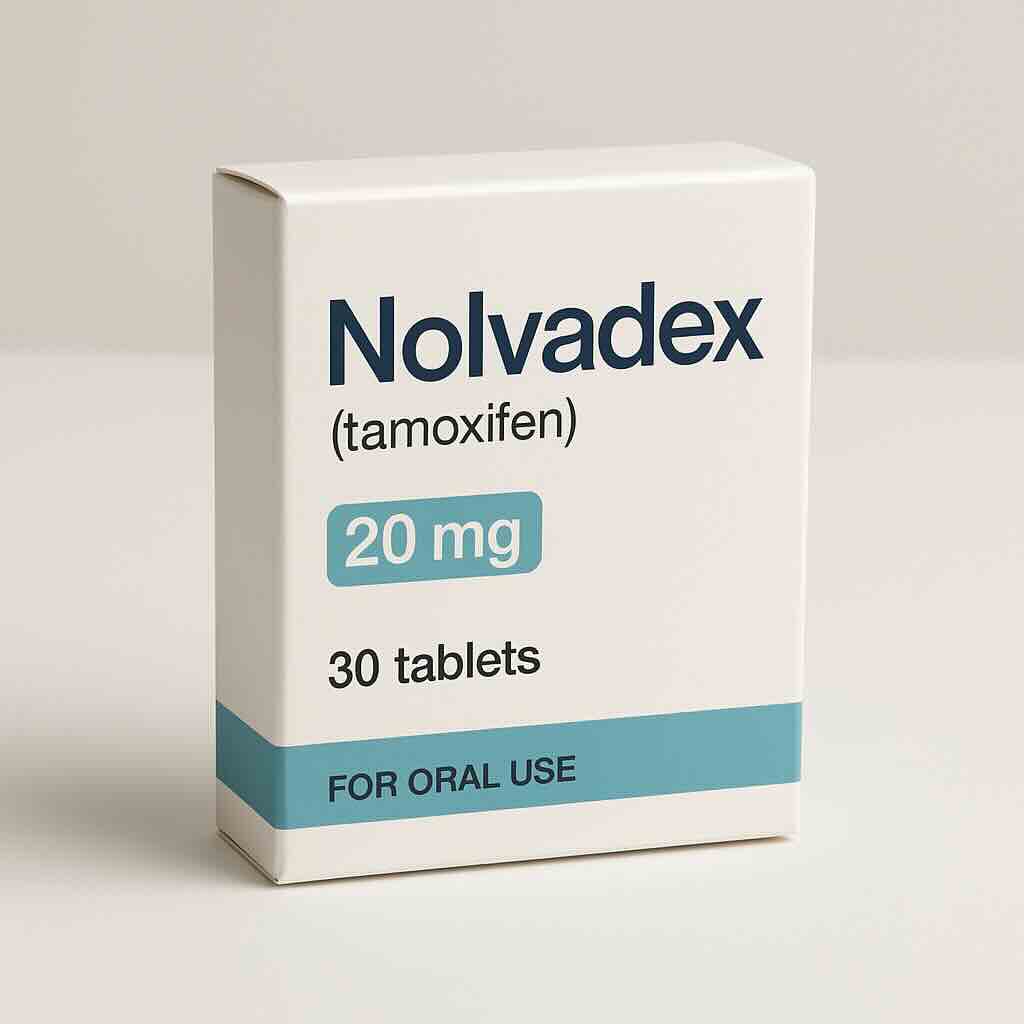
Nolvadex is a tamoxifen-containing prescription tablet used in the treatment of certain hormone receptor-positive breast cancers and, in selected patients, to reduce the risk of developing breast cancer. Tamoxifen is a selective estrogen receptor modulator (SERM) that blocks estrogen’s effects in breast tissue. A clinician determines whether treatment is appropriate, how long it should continue and what monitoring is needed.
Usually, it is prescribed with other effective preparations to patients with high risk of cancer developing and to those who have already passed through surgery and chemotherapy. It reduces chances to become ill with this detrimental disease and also decreases risk of turning it back after effective treatment.
The preparation belongs to the group of medications called antiestrogens – they block the effect of estrogen (female hormone) on specific tumors. Being a powerful medicine it may cause some side effects; it means that only your doctor is able to determine a perfect dose for you personally. During the process of treatment follow all given instructions carefully and precisely; only by doing this you will benefit from taking this powerful and effective drug.
Select strength
Choose from the available dosages below
Choose quantity for 10mg
- Special regulatory note. Tamoxifen should not be presented as an FDA-approved ovulation-induction product. Its U.S. labeling centers on breast cancer treatment and breast-cancer risk reduction, so any fertility use would represent an individualized off-label prescribing decision.
- A fertility prescription involving tamoxifen requires a clinician who determines that an off-label use is medically appropriate and provides the monitoring required for that patient. Routine automatic fulfillment language should be avoided.
- Consultation, specialist care and medication costs may be separate depending on the treatment plan.
- Take tamoxifen only for the exact indication, dose and period authorized by the treating clinician.
- Important safety warning. Current tamoxifen labeling describes serious risks including uterine malignancies, stroke and pulmonary embolism in the breast-cancer risk-reduction setting.
- A Women’s Health page may mention off-label reproductive use only with accurate disclosure that ovulation induction is outside the FDA-approved indications and requires individualized medical judgment.
- Adverse events. Abnormal bleeding, symptoms of thrombosis or stroke, or another serious reaction requires prompt medical assessment and may be reported through FDA MedWatch.
Brief Pricing Overview
| Nolvadex PCT (Tamoxifen) | Strengths: 20 mg (or 10 mg) | |
| Pack Size | Price | How Much You Save |
|---|---|---|
| 30 tablets (20 mg) | $28.99 $34.79 | $5.40 |
| 60 tablets (20 mg) | $54.99 $65.99 | $13.80 |
| 90 tablets (20 mg) | $75.99 $91.19 | $27.90 |
| Price: $0.38 per tablet | ||
| *This medication requires a valid prescription from a licensed healthcare professional. | ||
Frequently Asked Questions
Can you buy Tamoxifen without a prescription?
Tamoxifen is a prescription drug in the United States. It is used in cancer care and in risk-reduction settings, so it must be prescribed and monitored by a licensed clinician. It is not sold as an over-the-counter product.
Can an online prescription be used at a local pharmacy?
In most cases, community pharmacies accept an electronic prescription that was written by a U.S. licensed clinician after a telehealth visit. Your doctor sends the Nolvadex prescription electronically, and you can choose whether it is filled through a partner mail pharmacy or a local retail pharmacy.
How long does delivery usually take across the United States?
For patients who choose home delivery, most Nolvadex prescriptions arrive within about 3 to 7 business days in the continental United States. Shipping time can change with mail volume, holidays, or remote locations, but tracking information is provided once the order is processed.
How to Get Nolvadex PCT Online
Step 1 – Schedule your telehealth visit
Request an appointment with a licensed clinician through a telehealth platform that evaluates the intended use of tamoxifen. The consultation may take place by secure video, although cancer-related treatment decisions can also require in-person specialist care. Appointment availability varies by provider.
Step 2 – Meet with your doctor
During the private video visit, you and your clinician review your diagnosis, medical history, current treatments, and goals of care. The doctor confirms whether Nolvadex is appropriate for your situation, explains how it fits into your overall treatment plan, and discusses dose, schedule, and potential side effects.
Step 3 – Receive your prescription
If Nolvadex is recommended, the clinician sends an electronic prescription directly to the pharmacy you select, either online or local. A licensed pharmacy verifies the prescription and may offer home delivery or local pickup, depending on its services and applicable requirements.
Tamoxifen Price Comparison
| Telehealth Service | Price per 20 mg tablet (approx.) |
|---|---|
| Blink Health | $0.25 – $1.60 |
| Hims | ≈ $1.00 – $2.00 |
| Lemonaid Health | ≈ $1.20 – $2.20 |
| ZipHealth | $0.80 – $1.50 |
| Roman (Ro) | ≈ $1.50 – $2.80 |
| GoodRx Marketplace | ≈ $0.60 – $1.20 |
*These prices are approximate cash estimates and can change with tablet strength, total quantity, pharmacy fulfillment, discount programs, or state availability.
Benefits of Telehealth Pharmacy Services
Telehealth can support consultations with licensed clinicians, electronic prescriptions when appropriate and ongoing management of medicines such as Nolvadex, alongside any necessary oncology visits. John’s Health offers telehealth visits as part of routine care so that patients can talk with licensed clinicians, receive electronic prescriptions, and manage medications such as Nolvadex from home. Telehealth visits follow the same clinical, safety, and privacy standards as in-person appointments at the hospital or clinic.
Key advantages:
- Board-certified clinicians licensed in multiple states across the United States.
- Secure video visits that follow HIPAA privacy requirements.
- Integrated e-prescribing with partner pharmacies for fast dispensing and refills.
- Online scheduling that is available at any time with a choice of flexible time slots.
- Visits that may be covered by many major health insurance plans, depending on benefits.
Important Product Information
| Active ingredients: | Tamoxifen citrate is the active ingredient in Nolvadex. It is a selective estrogen receptor modulator (SERM) that blocks estrogen receptors in breast tissue. By limiting estrogen signaling in these cells, tamoxifen helps slow or stop the growth of certain hormone receptor positive breast cancers and lowers the chance that cancer will return. | ||
| Indications: | – Treatment of hormone receptor positive breast cancer in women and men – Adjuvant therapy after surgery and radiation for early stage breast cancer – Reduction of breast cancer risk in selected high risk women – Management of ductal carcinoma in situ (DCIS) after local treatment, when recommended by an oncologist |
||
| Mechanism of action: | Nolvadex binds to estrogen receptors in breast tissue and blocks estrogen from attaching. This reduces estrogen driven cell division in certain tumors. In other tissues, tamoxifen can have partial estrogen like effects, which is why it may influence bone, uterus, and cholesterol levels. The overall goal is to reduce the growth signal for hormone dependent breast cancer cells and lower the risk of recurrence. | ||
| Benefits: | – Long history of use with extensive clinical trial data – Oral tablet taken once or twice daily, which fits routine home treatment – Proven benefit in reducing recurrence and improving survival in specific breast cancer groups – Can be used in both premenopausal and postmenopausal patients when appropriate – Option for lowering the risk of a first breast cancer in some high risk women – Helps lower the chance of cancer in the opposite breast over time – Generic versions available, which may reduce cost for many patients – Standard dosing schedules supported by major oncology guidelines – Widely available at community and hospital pharmacies – Can be combined with surgery, radiation, chemotherapy, and other endocrine agents as part of a plan designed by an oncologist – May help maintain bone density compared with some other endocrine therapies in certain patients – Flexible treatment duration (often several years) under specialist supervision – Extensive safety information from many years of post marketing use |
||
| Side effects: | – Hot flashes and night sweats – Vaginal discharge or dryness – Changes in menstrual periods or loss of periods – Nausea or mild stomach upset – Fatigue – Leg cramps or muscle aches – Headache – Mild hair thinning – Mood changes – Fluid retention or swelling – Rare blood clots in the legs or lungs, which need urgent medical attention – Rare changes in the lining of the uterus, including polyps or cancer, which require close gynecologic follow up in women |
||
| Storage: | Store Nolvadex tablets at room temperature, about 68°F to 77°F. Keep the medication in the original container, away from moisture, heat, and direct light. Store it out of sight and reach of children and pets. | ||
| Brand vs. generic: | Brand name Nolvadex and generic tamoxifen contain the same active ingredient, strength, and expected effect. Approved generic products must meet bioequivalence standards so that blood levels and clinical results stay within a narrow range compared with the brand. Differences are mainly in inactive ingredients, tablet appearance, and packaging. | ||
| Alternatives: | Depending on age, menopausal status, and tumor features, alternatives can include aromatase inhibitors such as anastrozole, letrozole, or exemestane, as well as other endocrine agents such as fulvestrant or raloxifene in selected situations. Choice of therapy is made by the oncology team based on current guidelines and individual risk. | ||
| Many tamoxifen tablets are now produced by companies such as Teva Pharmaceuticals, Sandoz, and other manufacturers that are licensed and inspected. All approved products must follow Good Manufacturing Practice (GMP) standards for quality and consistency. | |||
| Interactions: | Tamoxifen can interact with several other medicines. Important examples include:- Blood thinners such as warfarin – Some antidepressants that strongly affect CYP2D6 (for example paroxetine or fluoxetine) – Other hormone therapies or estrogen containing products – Certain cancer medicines and targeted therapiesThese interactions can change how well Nolvadex works or increase side effects. Always give your doctor and pharmacist a full list of prescription drugs, over the counter medicines, and supplements before starting or stopping tamoxifen. Avoid making changes to hormone or anticoagulant therapy without medical advice. |
||
| Overdosing: | – Reported symptoms of tamoxifen overdose can include nausea, vomiting, dizziness, tremor, and changes in menstrual bleeding. – If you think you have taken more than your prescribed dose, contact your doctor, local poison control center, or emergency services right away, even if you feel well. – There is no specific antidote to reverse tamoxifen. Treatment is supportive and is based on your symptoms and vital signs. – Do not try to manage a suspected overdose at home without medical guidance. – To reduce the chance of an error, keep your tablets in the original labeled container and follow the dosing schedule given by your oncology team. |
What to Ask Your Doctor Before Starting Nolvadex?
Generic Medication Dosage 10 mg or 20 mg?
This medication goes in the form of 10 mg or 20 mg pills with covering; 10 tablets in a blister, 3 blisters in one box. This is a common appearance. The prescribed portion of drug may be individual for each patient. Follow precisely your doctor’s instructions to prevent severe side effects approach and overdose. The most common dose for patients with breast cancer is 20-40 mg per day depending on stage of the illness. If the determined portion is more than 20 mg, it should be divided into two parts taken in the morning and in the evening.
To order Tamoxifen a customer should know exactly the dose he needs. Depending on type of breast cancer the course of treatment usually lasts from 2 to 5 years. There are no proven evidences to use it more than 5 years long. In case of overdose and appearance of any severe consequences a patients should immediately seek emergent medical help. In case of missing a regular pill try to take it as soon as possible; if too much time has passed, wait till next portion.
How to use Nolvadex PCT 10 mg?
This medication must be used orally with water before or after a meal. This substance has next characteristics – is quickly absorbed by the organism and comes out with excrement. The climax of concentration in blood is observed in 4-7 hours after taking. During the consultation with your doctor, tell him about all other health conditions that you have and preparations that you take at the moment. This is a necessary precaution because the medication may interact with other drugs and call out unpredictable reactions that will bring more damage to the organism. Take the prescribed pill only with water, never use alcohol to help swallowing.
How to keep the medication?
Like any other pharmaceutical product this drug must be kept in a dry, cool, and dark place. Keep the medication away from children’s reach. If it was taken by a child accidentally, immediately call for medical help. Do not throw away the original package. It contains useful information about the drug, it’s dosage, side effects and shelf life that you may need to recall after a while. If you buy Nolvadex online, do not forget to ask the date of manufacturing. Remember that a shelf life of this preparation is 5 years from the date of its production.
Where to buy Nolvadex (Tamoxifen) online?
After you get your prescription from your doctor there are two ways for you to buy it. The first one is to visit regular drug store somewhere in your city. It may take a lot of your precious time. Not all store drugs have this preparation on their shelves and you will drive around the city over and over to find what you need. There is also another way that will suit you better, for sure. Try to buy it through the internet. This will save you many hours that you may spend more efficiently. To Order Tamoxifen online you should just open the website and press the button. There is also another benefit of buying preparations by means of internet – many online store drugs have bonuses and propositions; products there are also a little bit cheaper – you will save money together with time and energy.
What are the contraindications for Nolvadex?
There are some contraindications about health conditions of the preparation usage that may become an obstacle for taking it. Take to notice next health conditions that may harden your problems:
- hypersensitivity or allergies to any of the preparation’s ingredients;
- history of deep vein thrombosis (when clots block deep vein; may be life-threatening);
- pulmonary embolus (when blood clots block artery in lungs);
- pregnancy. Never use this particular preparation or drugs of the same kind if you are pregnant; it may cause fatal damage to the unborn baby. Consult the doctor for detailed instructions. If you are not sure, you may need to have a pregnancy test to know it exactly;
- eyes diseases. If you have cataract or any other eyes illnesses history, do not forget to mention it to your health provider;
- high cholesterol or triglycerides or presence of fat in your blood;
- receiving chemotherapy or radiation. Only your doctor can make a proper decision in this case.
It is important to have a check-up at clinic before getting doctor’s prescription and deciding to order the preparation online or offline. Any of your health conditions may become a serious obstacle for taking it. But if your orgasm allows it, this pharmaceutical product will become your helper in fight with breast cancer and its further spreading
Can I get a low dose of Nolvadex?
A “low dose” of Nolvadex is not something that patients choose on their own. Standard endocrine therapy for most breast cancer patients uses 20 mg per day because that is the dose supported by long term clinical trial data. In some special situations, such as risk reduction without known cancer or patients with particular side effect patterns, oncologists may consider lower daily doses or modified schedules based on emerging evidence and individual risk.
Any change to the usual dose must be made by your oncology team, not by cutting tablets or skipping days on your own. Tamoxifen exposure has to stay high enough to provide a protective effect against recurrence or new disease, while still keeping side effects manageable. If you are having trouble tolerating the standard dose, the correct step is to discuss options with your doctor, who can decide whether a dose adjustment, a different endocrine agent, or additional supportive care is more appropriate.
How does Nolvadex work?
Nolvadex (tamoxifen) is a selective estrogen receptor modulator, or SERM. It attaches to estrogen receptors on cells and blocks estrogen from activating them in certain tissues. In breast tissue, tamoxifen behaves mostly as an anti-estrogen. When receptors are occupied by Nolvadex instead of estrogen, hormone-receptor-positive cancer cells receive a weaker growth signal and are less likely to divide. This is why it is used to treat breast cancer and to lower the risk of recurrence and new hormone-driven tumors.
The effect is not the same everywhere in the body. In bone, tamoxifen has a partial estrogen-like action and can help slow bone loss in some patients. In the lining of the uterus, the same partial agonist effect can lead to thickening of the endometrium over time, which is why abnormal bleeding needs prompt evaluation. Nolvadex is taken by mouth, usually once daily, and over time reaches a steady level in the blood. Its active metabolites continue to block estrogen receptors for many hours after each dose.
In simple terms, Nolvadex does not remove estrogen. It selectively changes how estrogen signals are received in different tissues, reducing growth signals in breast tissue while leaving other organs more protected or, in some cases, at slightly higher risk.
What serious risks do I need to know about before taking Nolvadex?
The most important risks with Nolvadex involve blood clots and the uterus. Tamoxifen increases the chance of deep vein thrombosis in the legs and pulmonary embolism in the lungs. This risk is higher in people with a past clot, major surgery, long immobility, or inherited clotting problems. Sudden leg swelling, chest pain, or shortness of breath are emergency warning signs that require urgent medical care.
For women who still have a uterus, long-term Nolvadex use slightly raises the risk of endometrial cancer and, more rarely, uterine sarcoma. Any unexpected vaginal bleeding, spotting after menopause, or new pelvic pain should be reported quickly. Doctors usually respond with a pelvic exam and often an ultrasound or further gynecologic evaluation.
Other serious but less common concerns include stroke, serious vision changes such as new floaters or blurred vision related to eye structures, and liver function abnormalities. These are monitored through symptom review and periodic lab tests. Because Nolvadex is used for years, clinicians weigh these risks against the benefit of lowering breast cancer recurrence or prevention. The drug is started only when that balance clearly favors treatment and the patient understands which symptoms need immediate attention.
Can men use Nolvadex?
Men can use Nolvadex in specific situations. The main established use is in men with hormone-receptor-positive breast cancer, which, although less common than in women, does occur. In that setting, tamoxifen acts on breast tissue receptors the same way it does in women, reducing estrogen-driven growth signals and lowering the risk of recurrence after surgery and other treatments. Courses often last several years and are overseen by an oncologist.
Tamoxifen has also been used in some non-cancer conditions in men under specialist care. One example is persistent gynecomastia after other causes have been investigated. Another area is certain forms of male infertility related to hormonal patterns, where tamoxifen has been studied as part of a broader treatment plan. These uses are individualized and not routine for every patient.
Side effects in men can include hot flashes, changes in sexual function, mood changes, and weight shifts. The same serious risks seen in women, such as blood clots and potential liver effects, still apply. Because long-term safety data are strongest in cancer treatment, any use in men is usually handled by a specialist who can weigh the potential benefit against risks and set an appropriate monitoring schedule.
Can Nolvadex interact with other medications?
Yes. Tamoxifen has several important interactions that doctors check carefully before and during treatment. The most significant group involves drugs that affect the liver enzyme CYP2D6. This enzyme helps convert Nolvadex into its most active metabolites. Certain antidepressants strongly block CYP2D6, such as paroxetine and fluoxetine. When those medicines are taken together with tamoxifen, the level of active metabolites can be reduced. For patients who need an antidepressant, oncologists often favor options with less CYP2D6 inhibition.
Blood thinners are another key group. Nolvadex can enhance the effect of warfarin, increasing bleeding risk. If both are necessary, clotting tests are usually monitored more often and the warfarin dose may be adjusted. Estrogen-containing hormone therapies can work against the effect of tamoxifen and are generally avoided in most breast cancer patients on Nolvadex.
A simplified view of major groups:
| Group | Main concern |
|---|---|
| Strong CYP2D6-inhibiting antidepressants | May lower active tamoxifen levels |
| Warfarin and similar anticoagulants | Higher bleeding risk, needs close INR checks |
| Systemic estrogen therapies | Can counteract Nolvadex’s anti-estrogen effect |
Patients are usually asked to list all prescriptions, over-the-counter medicines, and supplements at each visit so the team can keep interaction risks as low as possible.
Is it safe to drink alcohol while taking Nolvadex?
There is no single rule that fits every patient, but alcohol is usually approached with caution during Nolvadex therapy. Both tamoxifen and alcohol are processed in the liver. In someone with normal liver function who drinks rarely and in small amounts, many oncologists allow occasional, modest intake, such as a single drink with a meal once in a while. The exact advice depends on the rest of the health picture.
Heavier or regular drinking raises several problems. It can stress the liver and make it harder to interpret any changes in liver tests that appear during treatment. Alcohol itself is a known risk factor for breast cancer, so ongoing high intake conflicts with the goal of reducing future cancer events. Alcohol may also worsen common side effects such as hot flashes, sleep disruption, and mood changes.
People who already have liver disease, a history of alcohol-related problems, or difficulty keeping intake low are usually counseled to avoid alcohol altogether while on tamoxifen. Many cancer programs encourage all patients on Nolvadex to limit or stop alcohol to support long-term health. The safest approach is to discuss your specific drinking pattern with your oncology team and follow the limits they recommend.
Can I take Nolvadex during pregnancy or breastfeeding?
Nolvadex is not considered safe during pregnancy. Tamoxifen acts on estrogen pathways that are important in fetal development. Reports of birth defects and pregnancy complications after exposure have led to strong recommendations to avoid pregnancy while on this medicine. Women who could become pregnant are usually advised to use reliable non-hormonal contraception throughout treatment and for a period after stopping, as discussed with their oncologist.
If pregnancy occurs while taking Nolvadex, the patient should contact both the oncology team and an obstetric provider as soon as possible. Decisions in that situation are complex and individualized.
Breastfeeding is also not recommended during tamoxifen therapy. The drug and its active metabolites are expected to pass into breast milk, and there is concern about effects on a nursing infant. Tamoxifen can also interfere with milk production. For women who need to start or continue Nolvadex soon after delivery, doctors typically advise against breastfeeding and help plan safe alternatives for infant feeding.
For patients who hope to have children in the future, fertility and timing of pregnancy are often discussed before starting tamoxifen. In some cases, fertility preservation measures are considered prior to cancer treatment.
What happens if I miss a dose of Nolvadex?
Missing a single Nolvadex dose is common and usually does not cause an immediate problem, because tamoxifen and its active metabolites stay in the body for a long time. If you remember within the same day and it is not very close to the next scheduled dose, many clinicians advise taking the tablet when you notice, then returning to the normal schedule the next day. If you remember around the time of the next dose, it is generally better to skip the forgotten tablet and continue as usual without doubling up.
Taking two doses at the same time to “make up” for one that was missed is not recommended. That approach does not improve cancer protection and can increase the chance of side effects such as hot flashes, nausea, or leg cramps. The main issue is repeated missed doses over weeks or months, which can reduce the long-term benefit of therapy.
Practical strategies that often help include pill boxes marked by day, setting phone alarms, linking the dose to a daily routine, and keeping a small supply in a travel bag. If you find that you are forgetting doses frequently, it is worth bringing this up with your oncology team so they can help you adjust routines or address barriers such as side effects or schedule changes.
What monitoring is required during Nolvadex therapy?
Monitoring during Nolvadex treatment focuses on early detection of side effects and confirmation that the medicine remains appropriate over time. Most patients have regular oncology visits where the team reviews symptoms, checks for signs of blood clots, and updates the medication list. Breast imaging continues on a schedule set by the cancer team, typically with mammograms and, when indicated, additional studies.
For women with a uterus, gynecologic monitoring is important. Any abnormal vaginal bleeding, spotting, or pelvic pain prompts evaluation, often starting with a pelvic exam and ultrasound. Routine pelvic exams may be recommended even without symptoms, depending on age and history. Liver function tests are checked periodically, especially early in treatment or if there are risk factors for liver disease.
Eye symptoms such as new visual changes, floaters, or difficulty focusing should be reported; in some cases, an eye exam is advised, particularly with long-term use. Vital signs and general cardiovascular risk factors are also reviewed, given the small but real risk of stroke and clots.
Doctors may summarize the follow-up plan in simple terms: keep scheduled oncology visits, report bleeding or clot-related symptoms immediately, have breast imaging on time, maintain gynecologic care, and complete periodic blood work as ordered.
How does Nolvadex compare to aromatase inhibitors?
Nolvadex (tamoxifen) and aromatase inhibitors such as anastrozole, letrozole, and exemestane are both used for hormone-receptor-positive breast cancer, but they act differently and are used in different patient groups. Tamoxifen blocks estrogen receptors in breast tissue and can be used in both premenopausal and postmenopausal patients. Aromatase inhibitors reduce estrogen production in the body and are mainly used in postmenopausal women or in premenopausal women receiving ovarian suppression.
In postmenopausal women, large studies have shown that aromatase inhibitors can lower the risk of recurrence slightly more than tamoxifen in some settings. However, the side effect profiles differ. Nolvadex carries higher risks of venous blood clots and endometrial cancer but tends to be more favorable for bone density. Aromatase inhibitors are linked to greater bone loss, higher fracture risk, and joint or muscle pain, and they do not increase uterine cancer risk in the same way.
Choice between them depends on menopausal status, fracture risk, cardiovascular history, tolerance of side effects, and prior treatments. Some patients receive tamoxifen first and then switch to an aromatase inhibitor, or the reverse, as part of a planned sequence. The oncology team tailors this plan to the individual, balancing recurrence reduction with long-term safety and quality of life.
Telehealth Prescription Questions
How to get Nolvadex PCT?
You can only get Nolvadex PCT after a doctor confirms that you have a medical indication that fits current oncology guidelines. In most cases, this means a diagnosis of hormone receptor positive breast cancer or a clearly documented high risk of future breast cancer. The evaluation usually starts in a breast clinic or oncology practice and includes imaging, a core needle biopsy, and a pathology report that shows estrogen and progesterone receptor status. For risk reduction, doctors also look at family history, genetic testing, and prior breast findings such as atypical hyperplasia or LCIS.
Once the indication is clear, the oncology team decides whether tamoxifen is the right endocrine option compared with aromatase inhibitors or other treatments. They review your age, menopausal status, history of blood clots, liver function, and gynecologic history before prescribing. Nolvadex is not sold over the counter in the United States, and federal rules require a prescription because it is a systemic cancer medicine that needs long term monitoring. You usually obtain it through an oncologist, a breast specialist, or an oncology program that may combine in person and telehealth visits.
How to get prescription from a doctor?
A clinician prescribes Nolvadex only after confirming that the benefits of tamoxifen outweigh the risks in your specific situation. The diagnostic and decision process usually includes:
- Pathology results that show hormone receptor status and tumor features, when cancer is present
- A detailed personal and family history of breast cancer, clots, and other major illnesses
- Baseline safety review, including liver function tests and a current medication list
- Selection of a standard daily dose and planned treatment duration based on guidelines
If your laboratory and pathology findings match the clinical picture, the oncologist confirms that tamoxifen is appropriate and chooses a daily dose, most often 20 mg, with a target course of several years. You receive clear instructions on when to take the tablet, how long therapy is expected to last, and what symptoms should prompt a follow up call. The prescription can be written during an in office visit or through a structured tele-oncology appointment once all diagnostic information is available.
How to get prescription for Nolvadex online?
Telehealth services can prescribe Nolvadex if they are part of or connected to an oncology program that has access to your imaging and pathology reports. You usually begin by registering with the cancer center’s patient portal and completing a medical questionnaire that covers your diagnosis, past treatments, and any history of clots or liver disease. The oncologist reviews biopsy reports, hormone receptor status, and prior therapy before confirming that tamoxifen is part of your plan.
If key information is missing, the doctor may order updated labs, imaging, or gynecologic evaluation through local facilities before starting or continuing Nolvadex. When treatment is approved, the provider sends an electronic prescription for tamoxifen to the pharmacy you choose. Many cancer centers offer same week telehealth visits for medication starts or refills, and pharmacies can dispense the drug quickly once the order is received. Patients who are already on tamoxifen and those starting it for the first time can both use online follow up, as long as the oncologist maintains regular monitoring.
How to get Nolvadex through a licensed medical service?
Oncology and breast health services may prescribe and manage Nolvadex as part of comprehensive cancer care. Patients are typically referred after an abnormal mammogram, a biopsy that confirms hormone receptor positive disease, or a risk assessment that shows a clear benefit from preventive endocrine therapy. The initial consultation is often in person, with later visits done through secure video when appropriate.
During the visit, the treating oncologist reviews your imaging, pathology reports, medical history, and any prior chemotherapy or radiation. The team explains how tamoxifen fits into your overall treatment plan, how long you are likely to take it, and which side effects require attention. Baseline labs and any gynecologic follow up are arranged through the treating clinic or another laboratory. Once tamoxifen is selected, the prescription is sent electronically to a licensed pharmacy or to a community pharmacy you prefer. Follow up appointments and refill requests are managed through the provider’s patient portal, so you can ask questions, report side effects, and manage long term therapy without coming to the hospital for every visit.
How much does it cost to get a Nolvadex prescription?
The total cost of Nolvadex treatment includes the price of the medication, oncology visits, and any related tests. In the United States, tamoxifen is usually covered as part of cancer care, but out of pocket amounts differ widely. Typical approximate ranges are:
- Generic tamoxifen: often around $4–$30 for a 30 day supply at discount programs, higher at standard retail prices
- Brand Nolvadex: usually higher, with final price depending on pharmacy contracts and insurance tiers
- Oncology or breast clinic visit: often about $80–$250 before insurance, with specialist and facility fees included
- Monitoring tests: lab panels and periodic imaging can range from tens to several hundred dollars without coverage
Most patients use generic because it provides the same clinical effect at a lower pharmacy cost. When insurance benefits apply, copays for tamoxifen are often modest compared with other cancer drugs. Financial counselors at oncology centers can help review assistance programs, generic pricing options, and insurance benefits so that long term therapy remains manageable.
How long does a Nolvadex prescription last?
Nolvadex is prescribed as a long term course, not as a one time treatment. For many patients with hormone receptor positive early breast cancer, standard endocrine therapy with tamoxifen lasts at least 5 years, and sometimes up to 10 years, depending on risk factors and the oncologist’s recommendation. For risk reduction in high risk women without known cancer, typical courses are around 5 years.
The written prescription that goes to the pharmacy usually covers a shorter refill period, such as 30, 60, or 90 days at a time, with multiple refills that align with scheduled follow up visits. Doctors review side effects, menstrual changes, clotting risk, and any new medical problems before continuing therapy. Pharmacies cannot extend endocrine therapy on their own; any change in dose or duration must be approved by the prescribing oncologist. There are no indefinite automatic refills, because tamoxifen treatment is adjusted over time based on guidelines and your response.
How quickly can you start Nolvadex?
The timeframe for starting Nolvadex depends on where you are in your treatment course. For newly diagnosed patients with early stage breast cancer, tamoxifen is often started soon after surgery and after chemotherapy or radiation have been completed, if those are part of the plan. Once pathology and receptor testing are finalized and other treatments are scheduled, the oncologist can usually begin tamoxifen within days to weeks.
For patients who completed treatment in the past and are now starting or resuming endocrine therapy, tamoxifen may be initiated at the first oncology visit once updated labs and risk assessments are reviewed. In many cancer centers, including those that offer telehealth, a prescription can be issued within the same week if all necessary information is available. In risk reduction settings without active cancer, clinicians may take more time to confirm family history, genetic results, and gynecologic status before setting a start date. The goal is to avoid delays while still confirming that tamoxifen is safe and appropriate.
What Nolvadex dose will I be prescribed?
Tamoxifen dosing for breast cancer and risk reduction usually follows standard fixed-dose schedules rather than weight-based calculations. When deciding the dose, clinicians consider:
- Your main indication, such as adjuvant treatment or risk reduction
- Age and menopausal status
- Other cancer drugs and supportive medications you are taking
- History of blood clots, liver disease, or other important conditions
Most adults are prescribed a total of 20 mg of tamoxifen per day, commonly taken as one 20 mg tablet once daily. In some cases, the same amount is split into two doses of 10 mg taken twice a day. Lower daily doses are sometimes used in selected risk reduction or research settings, but these decisions are made by the oncology team. The dose is not adjusted week by week the way some chronic medications are; it is set according to oncology guidelines and revisited only if there are side effects, new medical issues, or changes in treatment strategy.
Government and Clinical Sources About Nolvadex
| Source | Description | National Cancer Institute (NCI) | The National Cancer Institute provides patient and professional information about tamoxifen, including how it is used in breast cancer treatment and risk reduction, typical treatment durations, and key points from clinical trials. |
|---|---|
| FDA | The U.S. Food and Drug Administration has approved tamoxifen for several breast cancer indications and for risk reduction in high risk women. FDA labeling describes boxed warnings, dosing recommendations, and safety requirements for all approved products. |
| NIH MedlinePlus | MedlinePlus offers plain language information on tamoxifen so patients can understand how to take the medicine, what side effects to watch for, and which safety precautions to follow during long term therapy. |
| ClinicalTrials.gov | ClinicalTrials.gov lists ongoing and completed research studies that include tamoxifen. It shows how the drug is being used and studied in different combinations, doses, and patient groups beyond standard care. |
Report side effects
Call your doctor or oncology team for medical advice about side effects. You can also report side effects to the FDA by phone at 1-800-FDA-1088 or online through the MedWatch reporting system at https://www.fda.gov/medwatch.
Disclaimer
A drug description can explain its uses, but it cannot account for your medical history or other medicines you take. Treat this page as background information and ask a doctor or pharmacist about possible interactions and any decision to start, change or stop treatment.