Flagyl (Metronidazole)
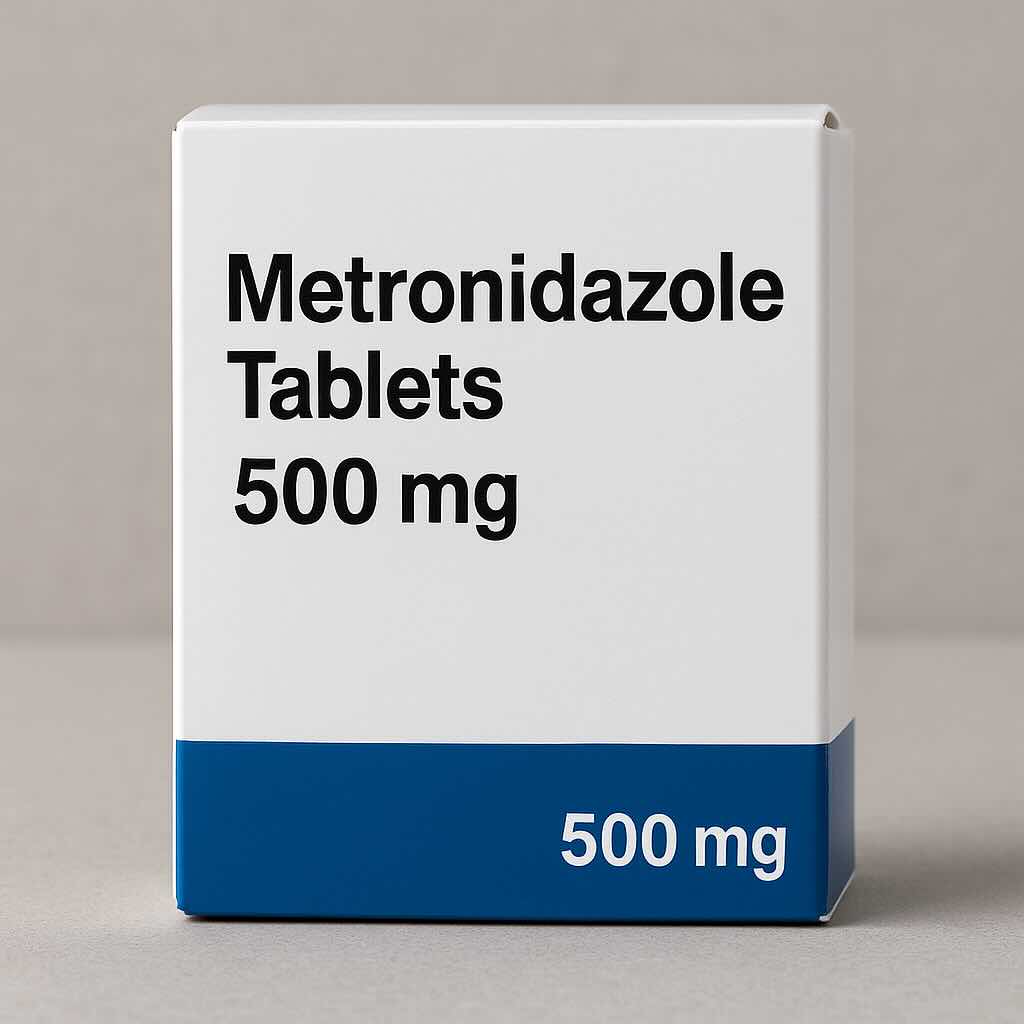
Metronidazole is a nitroimidazole antimicrobial prescribed for certain anaerobic bacterial and protozoal infections. Known by the brand name Flagyl, it disrupts DNA activity in susceptible organisms and is used for conditions that include bacterial vaginosis and selected gastrointestinal, dental and other infections. The correct formulation, dose and course depend on the diagnosis; it does not treat every cause of vaginal or digestive symptoms.
Select strength
Choose from the available dosages below
Choose quantity for 200mg
| Name | Strenghts | Price |
| Flagyl (Metronidazole) | 200 mg, 400 mg | $0.24 per tablet |
- Prescription required. Metronidazole may be prescribed after telehealth evaluation for selected anaerobic bacterial and protozoal infections when the clinical findings support this treatment.
- Approved prescriptions may be sent to a licensed pharmacy when available or to another eligible pharmacy selected by the patient.
- Consultation and medication costs are separate unless the treatment offer states otherwise.
- Take metronidazole exactly for the prescribed dose and duration. Patients should follow the medication-specific instructions concerning alcohol and products containing alcohol or propylene glycol during treatment and for the period specified after the final dose.
- Important safety warning. Metronidazole should be reserved for appropriate diagnosed or strongly suspected infections. Current oral labeling carries a warning based on carcinogenicity findings in mice and rats and advises against unnecessary use.
- Persistent symptoms or recurrent infection may require laboratory testing rather than another course based solely on the previous diagnosis.
- Adverse events. Neurologic symptoms, severe reactions or other unexpected effects require medical review and may also be reported to FDA MedWatch.
Frequently Asked Questions
Is it possible to get Metronidazole without a prescription?
Metronidazole is classified as a prescription medication in the United States, so a licensed clinician must authorize it before purchase.
Do U.S. pharmacies recognize prescriptions issued online?
Most pharmacies across the country will fill an online prescription if it was written by a licensed medical professional.
What is the usual delivery timeframe within the United States?
Orders shipped within the U.S. generally arrive in about 3 to 7 business days.
How to Get a Flagyl Prescription Online
Step 1 – Book Your Online Appointment
Arrange an online visit with a licensed clinician to discuss symptoms that may require metronidazole. Testing may be needed to distinguish bacterial vaginosis, protozoal infection and other conditions that call for different treatments.
Step 2 – Consultation With a Medical Professional
Explain your symptoms, recent exposures, and any previous antibiotic use. The clinician will determine whether Metronidazole is appropriate for your case and choose the correct dosage and duration. You may also receive advice about alcohol restrictions and gastrointestinal precautions associated with this medication.
Step 3 – Prescription Issued and Next Steps
Brief Pricing Overview
| Metronidazole (Flagyl) | Strengths: 200 mg (or 400 mg) | |
| Pack Size | Price | How Much You Save |
|---|---|---|
| 20 tablets (200 mg) | $15 $22 | $7 |
| 30 tablets (200 mg) | $20 $30 | $10 |
| 20 tablets (400 mg) | $22 $32 | $10 |
| 40 tablets (400 mg) | $39 $55 | $16 |
| *Prescriptions are provided solely following a consultation with a licensed medical professional | ||
If the doctor agrees to the therapy, they will send the prescription electronically and explain the dosing schedule during the same visit. You will also get advice on when to follow up and any precautions you should take because of your condition. All of your information is kept private and stored in our secure system.
Benefits of Online Medical Consultations
Telehealth services can support medical consultations and electronic prescriptions when appropriate for a confirmed or suspected infection. Telehealth consultations are just as professional, clinical, and private as in-person appointments. Patients can take care of their health issues, ask for refills, and get treatment advice from home, without having to travel or wait for long periods of time. The system helps with ongoing care by making sure that every prescription and follow-up is in line with the patient’s medical plan.
Important points:
- Licensed doctors in the area are available for virtual appointments;
- You can easily make plans for the day, evening, or next day;
- Secure video sessions fully compliant with HIPAA privacy rules;
- E-prescriptions go straight to the pharmacies that are partners or that you like;
- Regular coordination between care in the clinic and care online;
- Long-term management of private digital records stored safely;
Important Product Information
| Active ingredient: | Metronidazole (C6H9N3O7Cl), an antimicrobial agent effective against anaerobic bacteria and protozoa. |
| Indications: | – Bacterial vaginosis – Anaerobic bacterial infections – Trichomoniasis – GI infections including C. difficile (per clinician guidance) – Dental and periodontal infections |
| Mechanism of action: | Disrupts DNA structure of anaerobic organisms, preventing replication and leading to cell death. |
| Benefits: | – Highly effective for anaerobic infections – Short treatment courses – Works for both protozoal and bacterial pathogens – Often used when other antibiotics are ineffective |
| Side Effects: | – Metallic taste, nausea, stomach upset – Headache or dizziness – Avoid alcohol due to possible severe reaction – Rare: tingling, neuropathy, allergic reactions |
| Storage: | Store at 20–25°C (68–77°F) in a dry place, away from light and moisture. |
| Brand vs. Generic: | Generic metronidazole and brand Flagyl contain the same active substance and meet the same FDA quality and potency requirements. |
| Alternatives: | Clindamycin, Tinidazole, Amoxicillin-Clavulanate — depending on infection type and clinician decision. |
| Manufacturer: | Produced in FDA-registered GMP facilities; brand Flagyl historically marketed by Pfizer. |
| Interactions: | – Alcohol: strict avoidance required – Warfarin: may increase INR, monitoring needed – Lithium: may raise levels, monitor toxicity – Enzyme inducers may affect drug levels |
| Overdosing: | Symptoms may include nausea, imbalance, or seizures. Seek urgent medical attention. |
Where can you purchase Flagyl?
Metronidazole is a prescription antibiotic. In the United States you cannot legally buy it over the counter, so every purchase starts with a valid prescription from a licensed clinician. After you have a prescription, you can choose from several different ways to fill it. The main options are local brick-and-mortar pharmacies, pharmacy counters inside big retail stores and supermarkets, online coupon and mail-order services, and licensed international mail-order pharmacies that ship to the United States.
The best choice depends on how quickly you need the medicine, whether you have insurance, how comfortable you are ordering online, and whether you are willing to compare prices and use discount coupons. Below are the main routes that patients in the U.S. actually use to buy metronidazole once they have a prescription.
1. Local community pharmacies and national chains in the U.S.
For most people, the simplest way to buy metronidazole is at a nearby community pharmacy or a large national chain. You bring a paper prescription or ask your doctor to send an electronic prescription. The pharmacy enters it into their system, checks for interactions with your other medicines, and dispenses the tablets. You can usually pick up the medication the same day, often within a few hours.Prices at these pharmacies vary. Without any discount, an average retail price for 14 tablets of 500 mg metronidazole in the U.S. is reported in the mid-20 dollar range, around 23 to 27 dollars for a typical course, depending on the chain and region. Discount coupons can lower that price significantly. For example, GoodRx shows that the same 14-tablet course of metronidazole 500 mg can be as low as about 8.17 dollars at some pharmacies with a free coupon, which works out to roughly 0.58 dollars per tablet.These pharmacies are convenient if you need the medicine today, if you want direct contact with a pharmacist, or if your insurance plan has good in-network coverage for local chains.
- Examples: CVS Pharmacy, Walgreens, Rite Aid, independent neighborhood pharmacies in your city.
- Pros. Same-day pickup for most prescriptions. Easy to resolve issues with dosage or directions face-to-face. Pharmacists can check for interactions, duplicate therapy, and help with side effect questions. Many locations accept a wide range of insurance plans and support electronic prescriptions from clinics and telehealth services.
- Cons. Retail cash prices can be high if you do not use insurance or a discount card. Prices vary widely between chains and even between locations of the same chain. You may spend time waiting in line or returning later if the medication is not in stock. Some smaller independent pharmacies may have shorter opening hours.
2. Pharmacies inside big-box stores and supermarkets.
Many patients fill metronidazole prescriptions at pharmacies located inside large retail stores or supermarkets. These include discount chains and membership warehouses. They often promote simple generic programs that put common medicines into low flat-price tiers. Some of these programs advertise 30-day supplies of selected generics for around 4 dollars and 90-day supplies for around 10 dollars, although not every dose or drug is on that list. On top of store programs, you can combine a third-party coupon with a big-box pharmacy. For example, discount sites list metronidazole 500 mg tablets at Walmart with coupon prices as low as about 6.07 dollars for a typical course, which corresponds to roughly 0.43 dollars per tablet if that course is 14 tablets. Actual prices depend on location and the exact prescription the doctor writes.This route works well for people who already shop at these stores and want to handle groceries and prescriptions in one trip, or for those looking for low cash prices and who are willing to use generic discount lists or coupons.
- Examples: Walmart Pharmacy, Costco Pharmacy, Sam’s Club Pharmacy, Kroger, Safeway, other supermarket chains with in-store pharmacies.
- Pros. Competitive cash prices for many generics, especially when the drug is included in a store’s low-cost list or combined with a coupon. Convenient for patients who already shop there. Extended hours in many locations. Some stores allow easy 90-day refills for chronic medicines if the prescription is written that way.
- Cons. Not every strength or dosage form of metronidazole is included in generic discount programs. You may need to compare prices manually using coupon sites and store tools. Some membership clubs require a membership fee, although in many states non-members can still use the pharmacy counter. Busy locations can have longer wait times.
3. Online coupon platforms and U.S. mail-order or home-delivery pharmacies.
A growing number of patients buy Flagyl generic through a combination of online discount platforms and mail-order partners. Coupon services show the current cash prices at a lot of pharmacies and give you codes that you can use at the register or at a mail-order pharmacy that is linked to them. These tools work with in-person pickup and with full home delivery. For instance, GoodRx shows that metronidazole 500 mg with a coupon costs about $3.17 at some pharmacies, and the average price for a 14-tablet course is about $8.17 in many places. The same service also shows home-delivery options such as “GoodRx Home Delivery” and partners like HealthWarehouse, with sample prices near 9.84 to 10.08 dollars for a 14-tablet 500 mg course. Other coupon sites say that the prices for metronidazole are about the same. The average retail price is in the mid-20s, but with coupons, the price goes down to single digits. To use this route, you still need a valid prescription.Your clinic can send it directly to the mail-order pharmacy, or you can ask a local pharmacy to transfer it. You then arrange shipment to your home, usually within a few days, and in some cases with free or low-cost shipping.
- Examples: GoodRx coupons used at local pharmacies, GoodRx Home Delivery, HealthWarehouse, SingleCare coupons applied at U.S. pharmacies, other U.S.-based online mail-order pharmacies that ship metronidazole on the basis of a prescription.
- Pros. Strong potential savings for patients paying cash, especially if they compare several coupon offers. Before you pick a pharmacy, make sure you can see the prices clearly. Home delivery is convenient for people with limited mobility, tight schedules, or those living in areas with fewer local pharmacies. Some services will send chronic medications on a regular basis when it makes sense from a medical point of view.
- Cons. Not good for same-day treatment that needs to happen right away because shipping takes time. Patients need to feel safe giving their personal and prescription information online. Some low prices are only available at certain partner pharmacies or for certain amounts, and they may not be the same as the exact prescription your doctor wrote.
4. Licensed international and Canadian mail-order pharmacies.
Some patients look at mail-order pharmacies based outside the United States, especially in Canada, to buy metronidazole when they are comparing prices across borders. These pharmacies usually require a valid prescription and ship medications in original manufacturer packaging. Many publish clear price tables for different strengths and quantities.Canadian online pharmacies often list metronidazole 500 mg tablets or capsules in several pack sizes. For example, one Canadian pharmacy lists metronidazole tablet 250 mg in a 14-tablet pack for about 19.99 dollars, with a 500 mg capsule 14-count pack around 21.99 dollars, while larger counts such as 100 capsules of 500 mg are advertised near 69.99 dollars. That works out to a per-tablet price near 1.57 dollars for the small 14-count pack and about 0.70 dollars per tablet when 100 capsules are ordered. Another Canadian site lists 14 500 mg capsules around 26.99 dollars, or roughly 1.93 dollars per unit. People choosing this route need to pay attention to shipping times, import rules, and documentation. Shipments are not instant. Delivery can take from one to several weeks depending on the pharmacy, postal service, customs handling, and the shipping option selected. Patients usually upload or mail a prescription, which is then verified by the dispensing pharmacy before shipment.
- Examples: Canadian Pharmacy King, CanadaDrugsDirect, Canadian Pharmacy World, Kanada-based online pharmacies that require a prescription and ship metronidazole tablets or capsules to U.S. or international addresses where this is permitted.
- Pros. Larger pack sizes can bring the price per tablet down, especially for 100-tablet bottles or capsule packs. Clear online price tables make it easy to compare different strengths and quantities. Some pharmacies offer price-match policies on prescription medicines and structured shipping fees.
- Cons. Delivery is slower than local pickup, so this is not suitable for urgent infections that need immediate treatment. Patients must understand and follow import regulations, which can differ from one country to another. Insurance plans in the United States usually do not reimburse international mail-order purchases. Communication with the pharmacy and returns may be more complicated because of time zones and cross-border rules.
5. Health-system clinics and hospital-affiliated prescription services.
Large health systems and regional medical centers combine medical visits and prescription fulfillment inside one network. In this model, you see a clinician through an in-person appointment or telehealth visit, and the electronic prescription for metronidazole is sent directly to a hospital-affiliated pharmacy or to a partner retail or mail-order pharmacy. This route is common for patients who already receive most of their care in one system and want all records, lab results, and medications tracked in a single chart. It can be especially convenient when infections are evaluated together with other chronic conditions in the same network.
During the visit, the clinician reviews your symptoms, medical history, and current medicines, and then decides whether metronidazole is appropriate and which dose and course length you need. If the prescription is written inside the system, it appears immediately in the hospital’s electronic record. You can then choose to pick up the medicine at a pharmacy on-site, a nearby partner pharmacy, or, if the system supports it, have the prescription sent to a mail-order pharmacy. A patient portal is often used to send follow-up messages, lab results, and changes to the dose. This makes it easier to document how you respond to treatment and to adjust the plan if symptoms do not improve as expected.
- Examples: Health systems and their affiliated clinics, other regional medical centers with outpatient pharmacies, integrated health networks with on-site pharmacies and telehealth services.
- Pros. Care and metronidazole treatment are coordinated in one system, so your clinician, lab, and pharmacy see the same record. Electronic prescriptions move instantly to an in-network pharmacy, reducing the risk of lost or misread orders. Results from tests related to your infection are stored together with imaging, previous diagnoses, and chronic medications, which helps clinicians see the full picture before choosing the dose and course for this antibiotic. Patient portals usually make it easy to request clarifications, report lack of improvement, or ask about timing, which can reduce unnecessary extra visits.
- Cons. Pharmacy choice may be more limited if your insurance or health system encourages in-network pharmacies. Cash prices for metronidazole may not always match the lowest prices available through independent discount programs, so some patients compare costs before deciding where to fill the prescription. Appointment availability for telehealth or in-person visits can vary, and in busy systems there may be waiting times before you can be evaluated for a non-emergency infection. In some regions, on-site pharmacies have more limited opening hours than large national chains, which can make same-day pickup less flexible for people with late work schedules.
Price Range
The figures below show example cash prices for a common prescription of metronidazole 500 mg tablets, using publicly available data from discount and pharmacy sites. Prices can change over time, vary by location, and depend on the exact prescription, so they should be treated as illustrative ranges rather than fixed quotes.
| Channel type | Example pharmacy or service | Quantity and strength | Total price (USD) | Price per tablet (USD) |
|---|---|---|---|---|
| U.S. local chain pharmacy with discount coupon | CVS, Walgreens, Rite Aid using a GoodRx coupon | 14 tablets, 500 mg | ≈ 8.17 | ≈ 0.58 |
| Big-box U.S. pharmacy with coupon | Walmart Pharmacy using a discount card | 14 tablets, 500 mg | ≈ 6.07 | ≈ 0.43 |
| U.S. mail-order or home-delivery via coupon platform | GoodRx Home Delivery, HealthWarehouse | 14 tablets, 500 mg | ≈ 9.84 – 10.08 | ≈ 0.70 |
| Canadian online pharmacy, small pack | Canadian Pharmacy King (example) | 14 capsules, 500 mg | ≈ 21.99 | ≈ 1.57 |
| Canadian online pharmacy, large pack | Canada-based mail-order pharmacy (example) | 100 tablets or capsules, 500 mg | ≈ 69.99 | ≈ 0.70 |
* Prices are approximate sample cash prices and can change over time by pharmacy, location, coupon, and insurance. A valid prescription is required to buy metronidazole.
In practice, many patients compare at least two or three of these channels before deciding where to buy metronidazole with a prescription. Local chains and big-box pharmacies are usually best for urgent, one-time courses, while coupon-based home delivery and international mail-order pharmacies may be more attractive for patients paying cash and planning ahead who want to lower the per-tablet cost.
You can buy Metronidazole only if an infection that caused your malaise is confirmed to be caused by a pathogen that is sensitive to the active agent of the drug. The medication is appointed to be used in infections caused by microorganisms that are sensitive to it such as amebiasis; genitourinary trichomoniasis; nonspecific vaginitis; giardiasis; infections caused by anaerobic microorganisms sensitive to Metronidazole that develop after surgery. Besides, the drug can be utilized as a substitute for intravenous treatment of infections caused by anaerobic microorganisms that are sensitive to it.
In some cases, when a doctor analyzes the results of your tests, he or she can prescribe you to use the medication without doing a susceptibility test as the full blood test will show the names of pathogens and an experienced doctor knows if they are or not sensitive to Metronidazole. In any case, before you purchase the pills to start the treatment, make sure to do all necessary tests.
Prescription Questions
How to get Flagyl generic (Metronidazole)?
You receive Flagyl only after a clinician confirms that your symptoms match an infection where this antibiotic is appropriate and that it is safe for your overall health. The evaluation usually begins with a focused history about the infection site. For stomach and intestinal symptoms, the clinician asks about diarrhea, abdominal pain, recent travel, contact with sick people, and any recent antibiotics. Questions about vaginal or pelvic problems include discharge, smell, itching, pain, sexual history, and past infections. If you have a dental or skin infection, you need to tell your doctor about any pain, swelling, injuries, or recent procedures. These facts help you figure out if metronidazole is the right treatment for you or if another one would be better.
A medical history review follows. The clinician looks for liver disease, kidney problems, blood disorders, alcohol use, pregnancy, and breastfeeding. Your medication and supplement list is checked for drugs that may interact with metronidazole or increase side effect risks, including certain blood thinners and seizure medicines. In some cases, stool tests, vaginal swabs, imaging, or blood work are ordered to clarify the diagnosis. When the infection pattern and test results support metronidazole and there are no major contraindications, the clinician selects a dose, route (tablet, capsule, liquid, or vaginal formulation), and treatment length that fit the type and severity of infection.
Flagyl is a prescription-only medicine in the United States. They are not legally sold over the counter and must be obtained through a licensed prescriber. Prescriptions come from primary care, urgent care, emergency departments, dental clinics, gynecology practices, or telehealth services that follow standard infection evaluation and safety checks.
How to get prescription from a doctor?
A prescription for Metronidazole follows a structured evaluation of your symptoms and overall health. The visit may take place in primary care, urgent care, a women’s health clinic, a dental office, or an emergency department, depending on how sick you are and where the infection is located. The goal is to confirm that an infection likely involves bacteria that respond to metronidazole and to rule out conditions that need different treatment.
Most in-person visits include:
- A targeted history of symptoms: onset, duration, severity, fever, prior episodes, recent antibiotics, and possible exposures.
- A review of the patient’s medical history, with a focus on liver or kidney disease, blood disorders, immune status, alcohol use, pregnancy, and allergies.
- A complete review of all medications and supplements to look for possible interactions.
- A physical exam of the area that hurts, like the abdomen, mouth, pelvis, skin, or wound.
If warning signs appear, such as high fever, severe abdominal pain, confusion, uncontrolled vomiting, or signs of sepsis, the clinician may escalate care, order urgent imaging or lab tests, or admit you to the hospital. In milder cases, stool tests, swabs, or basic labs are enough. When the clinician believes that bacteria sensitive to metronidazole are a likely cause and that your organs can handle the drug, a prescription is written with a clear dose, schedule, and treatment length.
The prescription is entered into a computer and sent to the pharmacy of your choice. The doctor writes down the suspected diagnosis, how the drug will be given, how long it will last, and whether or not follow-up is needed. If needed, a follow-up visit is planned to make sure that symptoms are getting better and that side effects like nausea or a metallic taste are still manageable.
How to get prescription online?
Telehealth platforms can prescribe Flagyl when they use licensed clinicians and follow the same safety standards as in-person care. The process usually starts with a structured online intake form. You tell us where the symptoms are, like in the stomach, vagina, mouth, or skin, and you give us information about when they started, how bad they are, whether you have had them before, and any home treatments you have tried. Many systems ask about recent travel, hospital stays, antibiotic exposure, and whether anyone close to you has similar symptoms.
The intake collects medical history and your full list of medicines. Questions are about how well the liver and kidneys work, how much alcohol is used, the history of seizures, blood problems, pregnancy status, and possible drug interactions. Some platforms require photos for skin or wound issues, or ask you to upload recent lab reports and test results.
Most legitimate platforms add a video visit or a real-time chat. During that conversation, the clinician confirms your history, assesses how sick you appear, and asks clarifying questions. If your symptoms point to a serious problem, like severe stomach pain, vomiting that doesn’t stop, signs of dehydration, or possible problems with surgery, you should go to a doctor in person instead of getting metronidazole over the phone. When the clinical picture fits an infection that can be safely handled by telehealth, the clinician selects an appropriate dose and course length.
Approved prescriptions are sent electronically to a local pharmacy or a mail-order partner that ships to your home. Some telehealth services work with specific pharmacies, while others allow you to choose. For simple, non-emergency infections, a decision is usually made the same day. However, for more complicated cases or cases where there isn’t enough information, follow-up messages or an in-person evaluation may be needed before starting Flagyl.
How to get Flagyl through a telehealth service?
Metronidazole may be prescribed through primary care, urgent care, specialty and hospital services when clinically appropriate. Depending on how bad the symptoms are and what kind of infection it is, patients are seen in person, in an emergency room, or over the phone.The first step is scheduling a visit through the hospital’s appointment system or patient portal and choosing the most appropriate clinic, such as family medicine, internal medicine, women’s health, gastroenterology, or urgent care.
During the consultation, the clinician reviews your symptoms in detail. When someone has stomach or intestinal problems, the main things to look for are diarrhea, cramps, blood in the stool, recent antibiotics, and travel. For vaginal symptoms, questions include discharge, smell, itching, bleeding patterns, and sexual history. The evaluation for oral or dental infections looks at tooth pain, swelling, trouble opening the mouth, and recent dental work. A physical exam is completed when the visit is in person; telehealth visits incorporate visual inspection where possible and decisions about when an urgent in-person exam is needed.
Some infections treated with metronidazole require supporting tests. The clinician orders swabs, stool cultures, basic blood work, or imaging studies through appropriate laboratory or imaging services. Results are routed back to the treating clinician through the electronic health record. When the pattern of symptoms and test findings supports metronidazole and it is considered safe for your liver, kidneys, and overall status, the clinician chooses a dose and duration that match the infection type.
The prescription is sent electronically to a licensed pharmacy or to another pharmacy you choose. Follow-up is handled through the patient portal, telephone, or repeat visits. Patients can say that they aren’t getting better, that they are having new side effects, or that they are worried about their dose. If your condition doesn’t get better as expected, the doctor may change your treatment, add another antibiotic, or send you to specialists in gastroenterology, infectious diseases, gynecology, or surgery.
How much does it cost to get a prescription?
The cost of Metronidazole treatment has several components: the medical evaluation, the medication itself, and any supporting tests that help confirm the diagnosis. Generic Flagyl is usually much less expensive than many newer antibiotics, but total spending still depends on your insurance coverage and where you seek care.
In broad terms, patients think about costs in these categories:
| Item | Typical cost range |
|---|---|
| Office or urgent care visit | From a modest copay with insurance to a higher flat cash charge for uninsured patients |
| Telehealth visit | Often a single flat fee that is lower than in-person urgent care |
| Course of generic metronidazole | Usually in a low cash range for a short oral course, sometimes reduced further with discount tools |
| Optional lab tests or imaging | Separate charges that vary widely depending on the type and setting |
Insurance may cover much of the visit cost and essential tests, depending on your plan. Coverage for generic metronidazole is often good, but copays and deductible rules still apply. Patients without insurance frequently look for discount cards, price-comparison tools, and pharmacy programs that lower the out-of-pocket price of a standard course. Because treatment duration for metronidazole is finite, patients usually evaluate costs per course rather than monthly.
How long does a prescription last?
A Metronidazole prescription is usually written for a specific treatment course rather than an open-ended period. The prescription usually says how much to take, how often to take it, and how long to keep taking it. For many uncomplicated infections, the full course lasts several days to about two weeks. There may be different standard lengths for vaginal and gastrointestinal infections, and topical or vaginal forms often have their own schedules.
Unlike some long-term medications, metronidazole prescriptions do not usually include many refills. Clinicians are careful not to extend antibiotic use longer than necessary. When the course is finished, patients are expected to stop the drug unless the clinician specifically asks them to continue. If symptoms persist, worsen, or recur after a completed course, you are generally advised to return for another evaluation to check for resistant organisms, alternative diagnoses, or complications that need different management.
Pharmacies cannot renew expired metronidazole prescriptions on their own. When the prescribed amount is used, new therapy requires a fresh order from a clinician who has reviewed your current status. This method helps keep patients from getting too many antibiotics and lets the doctor make sure that the generic version of Flagyl is still the best choice.
How quickly can you get Generic?
The speed of getting metronidazole tablets depends on how you access care and how urgent your symptoms are. In primary care or urgent care, if an infection is clear and you are stable, the clinician can send a prescription to a nearby pharmacy at the end of the visit. For a lot of patients, pickup is available the same day, and sometimes it’s ready to go right after they leave the clinic. Emergency rooms deal with more serious cases and may give the first doses on site, with a prescription for the rest of the course.
If your medical history fits standard patterns and there are no major safety concerns, telehealth services can be quick for non-emergency infections. You can get your prescription the same day if the pharmacy is open and has metronidazole in stock. Just fill out an online questionnaire and talk to a clinician. There may be a delay while you set up the visit if the telehealth doctor thinks your case needs an in-person exam or tests.
Mail-order pharmacies add shipping time. Depending on the service and shipping method, it can take a few days for the medicine to reach you. For infections that are uncomfortable but not immediately dangerous, some patients accept this delay in exchange for convenience or cost advantages. For more acute problems, in-person or local-pharmacy options are usually preferred so that the first doses can start without waiting for a delivery.
What Flagyl dosage will I be prescribed?
Flagyl generic (Metronidazole) dosing is based on the type and location of the infection, your age, weight in some cases, organ function, and how severe the illness is. There is no single standard dose that fits every case. Instead, clinicians choose among several well-established dosing schedules that have been studied for specific conditions like certain vaginal infections, gastrointestinal infections, dental infections, and some skin or soft tissue infections involving anaerobic bacteria.
Before selecting a regimen, the clinician considers:
- The suspected source of infection and whether it is superficial, deep, localized, or widespread.
- Your liver and kidney function, since these organs handle drug processing and elimination.
- Any other antibiotics you are taking and whether a combination regimen is required.
- Your ability to swallow tablets or capsules, and whether a liquid or vaginal formulation is needed.
After taking all of these things into account, a dose and schedule are chosen that fit with the planned length of time. The instructions usually say to take the medicine at regular times, often with food to avoid stomach upset, and to stay away from alcohol during treatment and for a short time after because of possible reactions. If a patient has side effects like severe nausea, dizziness, or strange neurologic symptoms, the doctor may change the treatment plan or switch drugs, but the patient can’t do this on their own.
Can I get a low dosage?
A lower dose of Flagyl may be used in certain situations, but the starting point is always the infection and what level of antibiotic exposure is needed to clear it. Clinicians do not treat metronidazole like a flexible “optional” medicine that can be taken in any amount. Too low a dose or too short a course can fail to control the infection and may contribute to treatment failure or recurrence. For that reason, dosing decisions aim for a balance between effectiveness and safety, not simply the smallest possible amount.
Lower total doses or longer intervals between doses may be considered for specific groups, such as patients with impaired liver or kidney function, people with low body weight, or those with a history of certain adverse reactions. The clinician may also select a shorter course when evidence supports that for a particular diagnosis. In mild infections, a standard recommended dose may still be low, but it is chosen to get the tissues that need treatment to therapeutic levels.
If a patient thinks the prescribed dose is too strong or has side effects, they should call the doctor who prescribed it instead of changing the dose themselves or missing doses. The doctor can then choose to change the schedule, switch to a different formulation, or look into an antibiotic that works better with your medical history and tolerance.
What to Ask Your Doctor Before Starting Flagyl?
What is the product sold as Flagyl?
The brand name Flagyl is owned by a pharmaceutical company Sanofi Avensis. The same medication is also made and marketed by other pharmaceutical companies under the brand and generic names. For instance, in the U.S. it is sold under the same name Flagyl but it is made by Pfizer. Besides, the medication is made by numerous manufacturers such as Cipla, Abbott, and others and can be called differently. Some of the names under which you can find the same medication are Metrogyl, Metronidazole, Acromona, Clont, Cont, Monasin, Nalox, Neo-Tric, Nidagel, Noritate, Novonidazol, Orvagil, Protostat, Rathimed, Trichazol, Trichex, Tricho Cordes, Trichopol, and others. It is possible because the original substance was synthesized first in the 1960s and since then, the developer of the medication, a French pharmaceutical company Rhone-Poulenc had lost their exclusive rights to make the medication without sharing the formula with other drug makers. It is a common practice all around the world that after a certain period of time, the formula developer is obliged to give out the formula and other drug makers can make and sell their medicines with the same composition and effect without infringing the copyrights. It is made so to satisfy the world’s demand for the medications and make the drugs cheaper for the countries with lower average incomes.
Nowadays the medication is prescribed for the treatment of protozoal infections, infections of bones and joints, nervous system infections, sexually transmitted infections, vaginal infections due to a surgery, and so on. To treat these conditions you can buy Flagyl or opt for a generic with the active ingredient being Metronidazole.
Metronidazole, the active agent of Flagyl, is a synthetic derivative of the natural substance of azomycin, produced by Streptomyces spp. When first utilized in healthcare, the substance was considered exclusively an antiprotozoal agent for the treatment of trichomoniasis. The antibacterial effect of the medication was discovered by chance: when in 1962 a patient with trichomoniasis colpitis using Metronidazole had been cured of bacterial gingivitis.
Mechanism of Action
The medication renders antibacterial, antiulcer, antialcoholic, antiprotozoal, anti-trichomoniasis, and antimicrobial effects.
The nitro group of the molecule, which is an electron acceptor, is built into the respiratory chain of protozoa and anaerobes (competing with electron transport proteins – flavoproteins, etc.), which disrupts respiratory processes and causes cell death. In addition, some species of anaerobes have the ability to suppress DNA synthesis and cause its degradation.
After the pill is taken orally, the active agent is quickly and fully absorbed from the digestive tract. The maximum level of the medication in the tissues is observed within one to three hours. It penetrates the tissues and fluids of the body well creating bactericidal concentrations in saliva, semen, vaginal secretions; penetrates the GEB and placental barriers, is secreted into breast milk.
People with impaired kidney function can accumulate the medication in the blood plasma. Therefore, it is advised to use lower doses or take the medication less frequently if creatinine clearance is lowered.
What dosages are usually prescribed?
Flagyl generic comes in several dosing strengths, so it makes sense to ask your doctor which option fits your specific infection. The most common metronidazole tablets used by adults are 250 mg and 500 mg, often taken more than once a day over a set number of days. There are also 375 mg capsules and extended-release 750 mg tablets that fit particular schedules when a different dosing pattern is preferred. In hospitals, oral metronidazole may be replaced with intravenous forms when you cannot take medicine by mouth. When you speak with your doctor, you are not choosing your own dose, but you can ask which strength they are using and why.
Your doctor thinks about the site of infection, how severe it is, your body size in some cases, and how well your liver and kidneys work. Short, focused metronidazole treatment may only require a few days of a standard dose, while deeper or more complicated infections can need higher total daily amounts or longer courses. A useful approach in the visit is to ask your doctor to walk you through the dosing plan in plain language. You can ask how many milligrams you will take in each of your metronidazole pills, how many times per day, and for how many days this metronidazole course is expected to last.
Some patients also want to know whether the dose can change later. It is reasonable to ask your doctor whether there is a range of doses for your condition, and under what circumstances they might adjust the amount. For example, you can ask what they would do if your symptoms improve very quickly, or if they improve more slowly than expected. This keeps the conversation focused on clear outcomes rather than on guessing about the dose yourself. You can also ask whether all of your metronidazole tablets are the same strength or whether the pharmacy might use a mix of tablet sizes to build the total daily dose.
To make the discussion concrete, you can ask your doctor to compare the dose you are getting with the typical range for your diagnosis. That does not mean you should copy someone else’s metronidazole treatment, but it helps you understand whether you are near the low end, middle, or high end of what is used for that infection. It also opens the door to asking what to do if you accidentally miss a dose or if the timing of doses collides with your work or sleep schedule.
| Strength | Typical oral form | How it is often used | What to ask your doctor |
|---|---|---|---|
| 250 mg | Metronidazole tablets | Multiple doses per day for certain intestinal or gynecologic infections | Why choose this size instead of 500 mg tablets for my case |
| 375 mg | Capsule | Dosing schedules that aim for a specific total daily amount with fewer capsules | Whether capsules are easier for me to take than smaller tablets |
| 500 mg | Metronidazole tablets | Common twice- or three-times-daily regimens for many adult infections | How many days I am expected to stay on this strength |
| 750 mg | Extended-release tablet | Once-daily schedules for selected gynecologic uses | Whether this antibiotic in an extended-release form is appropriate for my infection |
What forms of Metronidazole are available?
When you talk with your doctor before starting Flagyl, it helps to know that there is more than one way to take metronidazole. Tablets are the version most people recognize, but they are not the only option. Asking about other forms can make treatment easier if you have trouble swallowing pills, if you are being treated for a local vaginal infection, or if you are sick enough to need hospital care. Your doctor usually starts with the form that best lines up with where the infection is and how sick you are.
One obvious alternative to standard tablets is the oral capsule. Some patients find capsules easier to swallow, and certain capsule sizes fit particular dosing schedules. There is also an oral liquid or suspension form, which is useful if you have difficulty with solid dosage forms or if doses must be adjusted more precisely. In hospital settings, Flagyl can be given by intravenous infusion through a vein when vomiting, severe illness, or surgery makes oral treatment unreliable. Vaginal tablets or creams are used when a gynecologic infection is being treated directly in that area.
Topical metronidazole preparations exist as well, mainly for skin conditions such as certain forms of rosacea. These are not used for deep internal infections, but they are still part of the broader family of metronidazole products. When you meet with your doctor, you can ask which form they are choosing and whether there are other options if you have difficulty using it. Sometimes the same infection can be treated with more than one route, and your preferences matter when the choices are clinically similar.
- Standard oral tablets for most internal infections.
- Capsules and liquids when swallowing or dosing flexibility is an issue.
- Vaginal tablets or creams for local gynecologic infections.
- Intravenous infusion in more serious or hospitalized cases.
How to use?
If you have direct recommendations from a specialist who treats you how to use the pills, you should follow their advice without regard to the instruction. Here we share the information available in the official instruction.
The treatment of amoebic dysentery is treated in adults with 1.5 grams a day or two 500 mg pills taken three times per day. For kids older than six years, the dosage is 30-40 mg per kilogram of the weight.
Lambliasis is treated for five days. The dosage for adults is 750 mg or 1000 mg taken once a day. Kids aged from six to ten years are treated with 375 mg per day. Kids aged from ten to fifteen years are given 500 mg once a day.
Trichomoniasis in women, is treated for ten days, combining 250 mg (one tablet) two times a day and one vaginal suppository (500 mg) per day. The sex partner must be treated at the same time regardless of the presence or absence of signs of trichomoniasis and even if the laboratory tests are negative. The therapy of the infection in men is made for ten days with 250 mg (one tablet) taken twice per day.
In the most severe cases, the daily dosage can be raised to 750 or even 1000 mg.
If you order Flagyl for the treatment of nonspecific vaginitis, the recommended dosage is 500 mg taken twice a day for seven days. The sex partner must also undergo the therapy at the same time.
To treat anaerobic infections, adults are usually advised to take 1000-1500 mg (4-6 250 mg pills) a day. For children older than six years, the dosage is 20-30 mg per kilogram of the body weight. The dosages are split into two intakes.
What types of infections can Metronidazole help treat?
Before you start Flagyl, it is reasonable to ask your doctor how this antibiotic fits the infection you have. Metronidazole is used for certain bacterial and protozoal infections, but it is not a general-purpose antibiotic for every sore throat or urinary complaint. Your doctor weighs whether your symptoms, exam findings, and any lab results point toward organisms that are usually sensitive to this drug. Understanding which group your infection falls into can make the treatment plan less abstract and helps you see why Flagyl was chosen instead of another antibiotic.
Flagyl is widely used for infections that involve anaerobic bacteria, which grow in low-oxygen environments. These can appear in the abdomen, pelvis, lower lungs, or deep soft tissues. It is also used for particular vaginal infections and some intestinal infections caused by parasites. When you speak with your doctor, you can ask whether they think your case is mainly bacterial, mainly protozoal, or a mixture. This kind of question steers the conversation toward the biology of the problem rather than just the prescription.
- Intestinal and liver infections linked to certain parasites.
- Serious anaerobic infections in the abdomen, pelvis, bones, or central nervous system.
- Gynecologic infections, including some forms of bacterial vaginosis and pelvic infections.
- Dental and mouth infections when anaerobic organisms are suspected.
- Surgical situations where anaerobic bacteria are a concern.
It can also be useful to ask when Flagyl would not be the preferred choice. That gives your doctor a chance to explain if there are organisms or locations where a different drug would work better. For example, they may mention that other antibiotics are used when aerobic bacteria are the main problem or when a mixed infection requires a combination regimen. If your infection is part of a broader condition, such as an inflammatory disease or a chronic wound, you can ask how Flagyl fits into the overall plan and whether other treatments will be given alongside it.
Which other medicines can treat the same infection?
A lot of people want to know what other treatments are available for similar infections before they start taking Flagyl. This is not about shopping for a different drug on their own, but about asking the doctor how Flagyl fits among other antibiotics and treatments. Metronidazole belongs to a group that is strong against anaerobic bacteria and certain parasites. Other antibiotics with activity in some of the same areas include drugs like clindamycin, combinations such as amoxicillin-clavulanate, or broader-spectrum agents used in hospitals. There are also related nitroimidazole medicines that may be used as alternatives in specific clinical settings.
When you ask about alternatives, you can focus on situations rather than names. For example, you might ask what your doctor would choose if you could not tolerate Flagyl or if the organisms did not respond to it. The answer may include mention of other antibiotics used for abdominal infections, pelvic infections, or dental infections, depending on your case. Your doctor can explain whether those alternatives are narrower, broader, or similar in scope, and whether they are more likely to be given intravenously or by mouth.
It is also reasonable to ask about non-antibiotic parts of the plan. In some conditions, Metronidazole is only one piece of therapy. Patients with certain abscesses may need drainage, and patients with pelvic infections may need other medicines at the same time. By asking how Flagyl fits next to these other parts, you can see why it was chosen now and whether a switch might happen later.
You can also ask about resistance patterns and local experience. Without going into advanced microbiology, your doctor may be able to tell you whether metronidazole has been reliable for similar infections in your community or whether they have seen more failures in recent years. If there are well-established alternatives, they can explain why those were not used first in your specific case.
How do brand-name Flagyl and the generic version compare?
Patients often see both brand-name Flagyl and bottles labeled only with “metronidazole” and want to know how they compare. When your doctor prescribes this medicine, it is reasonable to ask whether a brand or generic version is expected at the pharmacy and whether it matters for your treatment. In regulatory terms, approved generics contain the same active ingredient, in the same strength and dosage form, and are expected to deliver the same amount of drug into the body. This means that a 500 mg generic metronidazole tablet is intended to work like a 500 mg Flagyl tablet for the same infection.
You can ask your doctor whether they usually prescribe metronidazole by its generic name or whether they sometimes specify the brand.Most of the time, prescribers are fine with generics that meet the standards for therapeutic equivalence. Your doctor might say that the main differences are in the inactive ingredients, the shape of the tablet, or the packaging. For some patients, the choice between brand-name and generic drugs is based on their insurance coverage and the pharmacy’s stock, not on medical reasons.
If you have had different experiences with various generics in the past, you can bring that up and ask whether it makes sense to stay with a specific manufacturer if possible. Some patients feel more comfortable when the pills look the same each time, simply because it helps them avoid confusion. You can also ask what to do if the appearance of your tablets changes from one refill to the next, and how to confirm with the pharmacist that you are still receiving the same active drug and strength.
Another way to look at it is to ask how your doctor keeps track of how well you respond when you switch between brand-name and generic forms. They might say that they don’t rely on small differences in formulation but instead watch symptoms and clinical progress. If you are in a long or complex treatment, you can ask whether they prefer to stay with one manufacturer throughout that course. These questions keep the focus on consistent dosing and clear communication among you, your doctor, and the pharmacy.
Is any form of Metronidazole available over-the-counter?
People sometimes assume that because Flagyl is an older antibiotic, some form of it might be sold over the counter. When you meet with your doctor, it is worth confirming how the drug is classified. In the United States, oral Flagyl and most other metronidazole products used for internal infections are available only by prescription. That means a licensed clinician has to decide that you need it and write an order for a specific dose and course. Pharmacies do not sell the tablets or capsules as walk-in nonprescription products.
It can help to ask your doctor how this prescription-only status affects your treatment. You can discuss whether future courses, if ever needed, would require a fresh evaluation or whether there are situations where a repeat prescription might be considered. If you are used to buying other medicines like pain relievers or allergy pills directly from the shelf, this distinction can feel unfamiliar. By asking up front, you avoid later confusion about refills or attempts to obtain similar products without a visit.
There are also topical and vaginal metronidazole products that remain prescription items. You can ask whether any part of your regimen involves these local treatments and how they are dispensed. The answer will usually reinforce that even non-oral forms are treated as prescription medications in routine practice. If you encounter websites or products that claim to sell “Flagyl” without any prescription at all, you can bring this up with your doctor and ask how they view those sources from a clinical and regulatory standpoint. The conversation stays grounded in how your care team prefers to handle legitimate access rather than in shopping tips.
How is the generic version regulated and monitored in the United States?
When you start any prescription antibiotic, you may want to know how it is regulated. With Flagyl, it can be useful to ask your doctor how approval and oversight work. Metronidazole products are evaluated by the U.S. Food and Drug Administration before they are approved, and generic versions must show that they match an already approved product in strength, quality, and performance. That process shapes which tablet strengths, capsule sizes, and formulations are on the market. Asking about this does not change your prescription, but it gives you a more solid picture of where the medicine comes from.
You can ask whether the specific product you are receiving is listed among approved drugs with recognized equivalence. Your doctor may not have every detail on hand, but they can tell you whether they are prescribing a commonly used formulation with a long track record. If you are curious, you can ask whether the hospital or clinic pharmacy follows any internal policies when choosing which manufacturer’s metronidazole to stock. Many institutions have committees that review evidence, supply, and cost before they select specific generics.
Another useful question is how safety and quality are monitored over time. If problems arise with a particular batch or product, regulators can issue alerts or recalls. You can ask your doctor what they recommend if you ever hear about a recall involving Flagyl or metronidazole. In practice, your pharmacist often plays a key role in handling recalls, but your prescriber can explain how they would adjust your therapy if a product you are taking were affected.
Finally, you can ask how antibiotic stewardship programs intersect with the use of Metronidazole. Many hospitals and clinics now review antibiotic use to avoid unnecessary or prolonged courses. Your doctor can explain whether any stewardship guidelines affect how long they prescribe metronidazole and for which diagnoses.
What should I ask about lab tests while I am on Flagyl?
Before starting, it helps to know how your doctor plans to track progress. Some infections are diagnosed mainly from symptoms and physical examination, while others rely on stool tests, vaginal swabs, or imaging. Asking up front which tests support your diagnosis can clarify why metronidazole is being used and what your doctor expects to happen over time. You can also ask whether any repeat testing is planned to confirm that the infection has cleared, especially for conditions where recurrence is common.
One good question is whether there are specific markers your doctor is watching. For abdominal infections, they may follow fever curves, appetite, and pain patterns. For vaginal infections, they may look at changes in discharge and odor and whether tests become negative. For dental or mouth infections, they may follow swelling, chewing comfort, and the findings of a dentist or surgeon. You can ask how many days of treatment usually pass before these signs start to move in the right direction.
It is also reasonable to ask about the format of follow-up. Will you be seen again in person, contacted by phone, or expected to reach out only if things go poorly. Knowing this makes it easier to decide when to call. You can ask for concrete examples of when they would definitely want to hear from you during the course, such as lack of any improvement after a certain number of days or a new pattern of symptoms that does not fit the original infection.
In some cases, your doctor may mention blood work or imaging as part of the plan. You can ask whether those tests are meant to guide the length of therapy, check for complications, or rule out other diagnoses. These questions keep the focus on how your case will be followed rather than on abstract risk. When you understand what your doctor is watching, you can pay attention to the same signals and bring useful information back at the next contact.
Safety Information for Patients
Side effects
Some people have mild and short-lived side effects from Flagyl generic (Metronidazole), while others have serious reactions that need immediate medical attention. Most people, if they react at all, notice digestive or taste changes that pass after the course is finished. More severe problems are less common but must be recognized early. The lists below group possible side effects by how they usually appear in clinical practice.
Mild and commonly reported side effects
- Digestive discomfort:
- Nausea, with or without a brief feeling of stomach upset after a dose.
- Vomiting, especially at higher doses or on an empty stomach.
- Epigastric pain or burning in the upper abdomen.
- Loose stools or mild diarrhea without blood.
- Loss of appetite and early fullness while eating.
- Taste and mouth changes:
- Metallic or bitter taste in the mouth that can linger between doses.
- Dry mouth or unusual mouth dryness during the course.
- Stomatitis with soreness or irritation inside the mouth.
- Glossitis with a feeling of burning or discomfort on the tongue.
- General short-term reactions:
- Mild headache that comes and goes.
- Transient dizziness when standing up quickly.
- Soft fatigue or a general sense of being “slowed down” during therapy.
- Skin and flushing:
- Occasional facial flushing or warmth.
- Itching in limited skin areas without a clear rash.
- Small, scattered skin rash that may fade when the medicine is stopped.
Moderate side effects that need prompt medical review
- Stronger digestive reactions:
- Persistent or intense nausea and vomiting that interfere with eating or drinking.
- Cramping abdominal pain that does not settle between doses.
- Diarrhea that becomes frequent, watery, or lasts beyond the expected course.
- Suspected pancreatic involvement:
- Acute upper abdominal pain that radiates to the back.
- Repeated vomiting that is not relieved by usual measures.
- Marked tenderness in the middle or left upper abdomen.
- Neurologic and coordination changes:
- Ataxia with unsteady walking or difficulty keeping balance.
- Noticeable tremor or clumsiness in the hands.
- New trouble with fine motor tasks that were easy before therapy.
- Worsening headache or visual changes:
- Headache that becomes severe or continuous.
- Episodes of blurred vision or unusual visual sensations.
- Feeling confused, disoriented, or unusually irritable.
- Skin and allergic-type reactions:
- Rash that spreads or becomes pronounced over large body areas.
- Itching that does not respond to simple measures.
- Hives (urticaria) with raised, itchy welts on the skin.
- Low-grade fever appearing together with new rash or joint discomfort.
Serious side effects that require urgent or emergency care
- Severe neurologic complications:
- Peripheral neuropathy with numbness, tingling, or burning sensations in the hands or feet.
- Sudden weakness or loss of strength in the limbs.
- Epileptic seizures or any new seizure activity in a person without a known seizure disorder.
- Marked confusion, difficulty speaking, or changes in consciousness.
- Severe allergic reactions:
- Angioedema with swelling of the lips, tongue, face, or eyelids.
- Tightness in the throat or difficulty breathing.
- Rapid heartbeat, lightheadedness, or a feeling of impending fainting.
- Signs consistent with anaphylactic shock, such as sudden drop in blood pressure and cold, clammy skin.
- Systemic reactions and fever:
- High fever that appears together with rash or joint pain.
- Chills, sweats, or a feeling of being acutely unwell during this metronidazole course.
- Dark urine accompanied by yellowing of the skin or eyes.
- Blood and organ-related concerns:
- Unusual bruising or bleeding that was not present before treatment.
- Persistent sore throat or repeated infections that could signal low white blood cells.
- Signs of worsening liver or kidney function in patients with known disease.
Precautions
During the therapy with the medication, you must avoid using alcohol as it can lead to the occurrence of such negative symptoms as spasms in the abdomen, nausea, vomiting, headache, flushes, and others. This rule applies to all kinds of alcohol, even in small amounts, like beer, wine, spirits, and liquid products that contain alcohol. Patients are usually told to stay away from alcohol not only while they are taking the tablets but also for a while after the last dose. This is because the combination can make these reactions worse and more uncomfortable. Before starting this metronidazole course, it makes sense to talk to a doctor about any regular drinking habits you have so you know when it’s safe to start them again. You should also read labels on over-the-counter products, such as cough syrups or tinctures, to make sure they do not contain hidden alcohol during treatment. If, despite precautions, symptoms such as severe abdominal cramps, repeated vomiting, sudden facial flushing, or a pounding headache appear after alcohol exposure, you should contact a medical professional for further instructions.
During the treatment of trichomonas vaginitis in women and trichomonas urethritis in men, it is necessary to abstain from sexual activity. It is necessary to simultaneously treat sexual partners. After treatment for trichomoniasis, control tests must be conducted for three consecutive cycles, both prior to and following menstruation. These steps lower the chance of partners passing the infection back and forth and help stop symptoms from coming back when only one person in a couple is treated. Even if symptoms like discharge, itching, or pain go away quickly, having sex before both partners finish the full course of prescription metronidazole raises the risk of getting the infection again. For this reason, clinicians often emphasize finishing every dose exactly as directed and scheduling follow-up visits or tests to confirm that the infection has cleared. Women can talk to their doctor about how these control tests will fit into their cycle, and men can also ask if they need to be tested again. Patients are typically instructed to refrain from vaginal douching or using unapproved local products that may disrupt test results or irritate the mucosa during this period. Partners should agree on when to start treatment, when to stop having sex, and when to go to follow-up appointments. This will make metronidazole treatment work better and lower the chances of needing more treatment for the same infection.
Interactions
Here you can find the most negative and dangerous combinations of drugs with Metronidazole. Check the list and consult your doctor if you use any medicines before you order Generic Flagyl.
It is contraindicated to combine the medication with alcohol due to the high risk of severe adverse reactions.
The drug should not be taken along with Disulfiram as this combination raises the risk of acute psychotic episodes or confusion.
Busulfan used in high doses along with Metronidazole is found in significantly higher amounts than it should in the blood plasma which is fraught with negative reactions.
The medication should be carefully combined with anticonvulsants that induce enzymes, Rifampicin, Lithium, Fluorouracil, and anticoagulants. If the therapy with these medications is inevitable when you use Metronidazole, make sure to discuss these drugs’ use with your doctor and follow his or her recommendations strictly.
Overdose
In the intake of high doses (more than 12000 mg), such symptoms can develop as nausea, vomiting, ataxia, in severe cases – peripheral neuropathy and epileptic seizures. These complaints may appear gradually as the total amount of medicine in the body rises or more suddenly if a large single dose is taken at once. Any new problems with coordination, unsteady walking, unusual tingling in the limbs, or sudden changes in consciousness after taking high doses of this antibiotic require immediate medical attention. Treatment advised is symptomatic; there is no specific antidote. In practice, this means that doctors focus on stabilizing breathing and circulation, controlling seizures, reducing vomiting, and monitoring neurologic status over time. Patients or family members should contact emergency services or a poison control center if an overdose is suspected and report the approximate amount taken and the time of intake. No more metronidazole pills can be taken until a doctor has looked into the matter.
When shouldn’t you buy Metronidazole?
Even if the tests show that you need the treatment with this medication, you should not use it if you are hypersensitive to the drug’s components or other derivatives of nitroimidazole, suffer or ever suffered from leukopenia, have organic diseases of the central nervous system (epilepsy), have hepatic insufficiency (the high doses are contraindicated). Before you even think about buying prescription metronidazole, it is important to tell the clinician about any past reactions to antibiotics, episodes of unexplained rash, shortness of breath, or swelling, especially if they appeared after taking medicines from the same chemical group. A detailed history of blood disorders, including previous low white blood cell counts, should also be discussed in advance. People with epilepsy or other chronic neurologic diseases need individual assessment, because the drug can aggravate existing problems with seizures or balance, especially at higher doses or with prolonged courses.
You must not buy Generic Metronidazole and use it during the first three months of pregnancy, while you breastfeed, or give it to children without consulting a pediatrician first. In early pregnancy the decision to use this antibiotic is made only after a careful risk–benefit discussion, and self-directed treatment is not appropriate. For breastfeeding women, it is important to clarify with a doctor whether temporary interruption of breastfeeding is needed or whether an alternative treatment would be better for the mother and the baby. Children require dosing that matches age and body weight, so adult regimens cannot simply be copied. Because of this, any plan to use metronidazole pills in a child should be made and monitored by a pediatrician who can choose the right form and schedule.
The drug is not advised to be used in any liver dysfunctions including the mild ones, in severe kidney dysfunction, central nervous system disorder, and during the second and third trimesters of pregnancy. People with any chronic liver disease, even if they feel well, should have their situation reviewed before starting this antibiotic, since the liver is a key organ for processing the drug. Severe kidney problems may also change how long the drug stays in the body, and this can influence both effectiveness and tolerance. Ongoing neurologic conditions, even if they are not epilepsy, should be mentioned in detail, because they may shape the choice of therapy or the need for closer observation. During later pregnancy, the decision to use metronidazole requires direct supervision by an obstetrician or other qualified clinician who knows the full history and can weigh the expected benefit against the specific risks in that stage.
What negative effects can you expect from use?
The use of Flagyl can cause minor gastrointestinal disorders such as epigastric pain, nausea, vomiting, diarrhea, glossitis with dry mouth, stomatitis, taste disorders, anorexia; pancreatitis; flushes, itching of the skin, rash, in some cases accompanied by an increase in body temperature, urticaria, angioedema, anaphylactic shock, and others. These problems can appear at the beginning of the course or after several days of treatment and may range from mild discomfort to reactions that require urgent medical attention. Many people notice that stomach-related symptoms become more noticeable if they take prescription metronidazole on an empty stomach or if doses are very close together. Changes in taste and a reduced desire to eat often make meals less pleasant, but they usually improve once the course is finished. Skin reactions, such as redness, itching, or small rashes, can involve limited areas or spread more widely. Swelling of the lips, tongue, or face, or any sudden difficulty breathing, are signs that must not be ignored, because they may indicate angioedema or a serious allergic reaction.
In case the adverse effects are severe, especially if you have an allergy, you need to stop using the pills and inform your doctor promptly so that she or he will quickly advise you a drug replacement and you would be able to continue the therapy without the negative symptoms. It helps to describe when the symptoms started, how they changed over time, and how they relate to each dose of this antibiotic, because this information makes it easier for the clinician to decide on the next steps. You can also be asked to report your temperature, the pattern of diarrhea or vomiting, and whether there is any blood in stool or vomit. Sometimes the doctor reduces the total length of this metronidazole course or chooses another antibiotic that is better tolerated in your situation. If breathing problems, pronounced swelling of the face or throat, or a sudden drop in well-being appears, emergency care is needed immediately rather than waiting for a routine visit.
Regulatory and Clinical Information about Flagyl
| Source | Description |
|---|---|
| FDA | FDA-approved for anaerobic bacterial and protozoal infections, with established safety and potency standards. |
| CDC | Guidelines for trichomoniasis and bacterial vaginosis treatment. |
| NIH DailyMed | Official prescribing information covering dosing, contraindications, pharmacology, and warnings. |
| ClinicalTrials.gov | Research data on metronidazole use in GI, dental, and STI-related infections. |
Submitting a Side Effect Report
Talk to your doctor if you have symptoms that seem strange or last longer than you thought they would. You can submit a report to the FDA through the MedWatch system at https://www.fda.gov/medwatch or by calling 1-800-FDA-1088. Giving this information helps make national medication safety programs stronger and keeps the evaluation of drug effectiveness going.