Zithromax (Azithromycin)
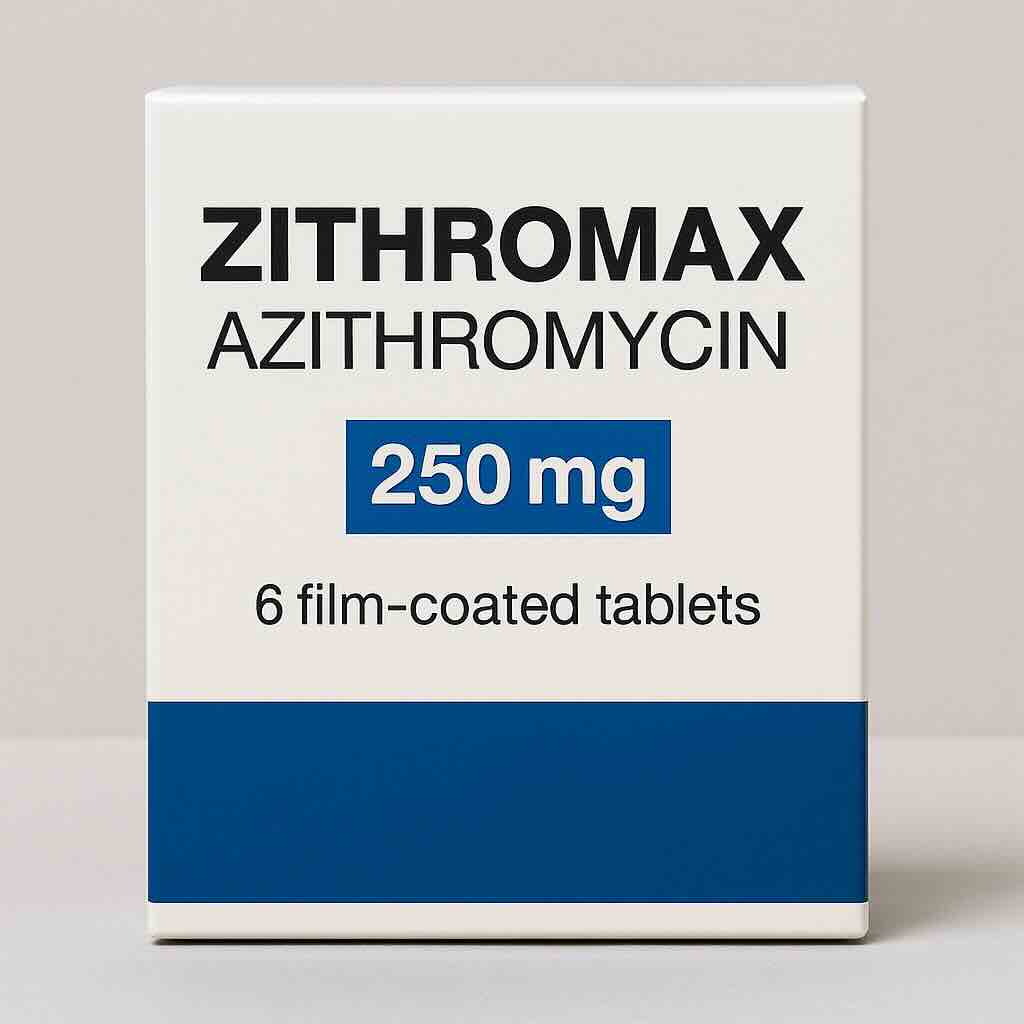
Zithromax is classified within the azalide subgroup of macrolide antibiotics and is used to treat certain bacterial infections affecting the respiratory tract, ears, skin and genital tract. It works by interfering with protein synthesis inside susceptible bacteria, limiting their ability to grow and multiply. The medicine also remains in body tissues for a considerable time after a dose, which helps explain why many infections can be treated with relatively short courses, sometimes lasting only three to five days. The exact schedule depends on the type of infection and the bacteria responsible.
Select strength
Choose from the available dosages below
Choose quantity for 100mg
| Name | Strenghts | Packages | Price |
| Zithromax (Azithromycin) | 100 mg, 250 mg, 500 mg | 6 or 12 tablets | $0.47 per tablet |
- Prescription required. Azithromycin is prescribed for certain bacterial infections when the patient’s symptoms, suspected source of infection and medical history support its use.
- Approved prescriptions may be sent to an eligible pharmacy selected by the patient, subject to prescription validity and product availability.
- Consultation and medication charges are separate unless specifically bundled in the treatment price.
- Take azithromycin according to the prescribed schedule and complete the treatment period directed by your provider.
- Important safety warning. Azithromycin can affect cardiac electrical activity in susceptible patients, so a history of QT prolongation, arrhythmia, low potassium or magnesium and use of other QT-prolonging medicines should be disclosed before treatment. Its current U.S. label includes cardiovascular warnings in addition to its antibacterial indications.
- Antibiotic selection depends on the suspected organism and infection site, since azithromycin is not appropriate for every respiratory or skin infection.
- Adverse events. Serious allergic, cardiac or other unexpected reactions should be reported to the treating provider and may also be reported through FDA MedWatch.
Table of contents:
|
|
Frequently Asked Questions
Is it possible to get Azithromycin without a prescription?
Zithromax is classified as a prescription medication in the United States, so a licensed clinician must authorize it before purchase.
Do U.S. pharmacies recognize prescriptions issued online?
Most pharmacies across the country will fill an online prescription if it was written by a licensed medical professional.
What is the usual delivery timeframe within the United States?
Orders shipped within the U.S. generally arrive in about 3 to 7 business days.
Brief Pricing Overview
| Azithromycin (generic for Zithromax) | Strengths: 250 mg (or 100 mg, 500 mg) | Pack Size | Price | How Much You Save | 6 tablets (250 mg) | $18 $25 | $7 | 12 tablets (250 mg) | $33 $45 | $12 | 6 tablets (500 mg) | $22 $30 | $8 | 12 tablets (500 mg) | $40 $58 | $18 | *A prescription may be issued only after evaluation by a licensed medical provider |
|---|---|---|
How to Get Zithromax with a Prescription Online
Step 1 – Book Your Online Appointment
A telehealth assessment for a possible bacterial infection usually begins with an appointment or an online medical questionnaire. A licensed clinician reviews the symptoms and decides whether a video visit, testing, or an in-person examination is needed before considering azithromycin.
Step 2 – Connect With a Clinician Through Video
During the consultation, describe your symptoms, onset of illness, recent exposures, and past antibiotic use. The clinician will determine if azithromycin is appropriate and discuss the correct regimen, such as single-dose therapy for certain infections or a multi-day course for respiratory conditions. They will also review contraindications and safety considerations.
Step 3 – Prescription Issued and Next Steps
If the doctor agrees to the therapy, they will send the prescription electronically and explain the dosing schedule during the same visit. You will also get advice on when to follow up and any precautions you should take because of your condition. The healthcare service handles consultation records according to applicable privacy requirements.
Zithromax Price Comparison
| Telehealth Service | Price per 250 mg tablet (approx.) |
|---|---|
| Blink Health | $0.40 – $1.20 |
| Hims | ≈ $1.50 – $3.00 |
| Lemonaid Health | ≈ $1.80 – $3.20 |
| ZipHealth | $1.00 – $2.00 |
| Roman (Ro) | ≈ $2.00 – $4.00 |
| GoodRx Marketplace | ≈ $0.70 – $1.40 |
*These prices are approximate cash estimates and can change based on strength (250 mg or 500 mg), quantity, pharmacy fulfillment, discount programs, or state availability.
Benefits of Online Medical Consultations
Telehealth services allow patients to speak with licensed clinicians without necessarily visiting a clinic. Telehealth consultations are just as professional, clinical, and private as in-person appointments. Patients can take care of their health issues, ask for refills, and get treatment advice from home, without having to travel or wait for long periods of time. Follow-up appointments and prescription decisions remain tied to the patient’s medical needs.
Important points:
- Licensed doctors in the area are available for virtual appointments;
- You can easily make plans for the day, evening, or next day;
- Secure video sessions fully compliant with HIPAA privacy rules;
- E-prescriptions go straight to the pharmacies that are partners or that you like;
- Regular coordination between care in the clinic and care online;
- Long-term management of private digital records stored safely;
Important Product Information
| Active ingredient: | Azithromycin (C38H72N2O12), a macrolide antibiotic that inhibits bacterial protein synthesis. |
| Indications: | – Respiratory infections (bronchitis, pneumonia) – Sinusitis and pharyngitis caused by susceptible organisms – Skin and soft tissue infections – Chlamydia and other STIs per clinician guidance – Otitis media in adults when appropriate |
| Mechanism of action: | Azithromycin binds to the 50S ribosomal subunit of bacteria, preventing protein formation and inhibiting bacterial growth. |
| Benefits: | – Shorter treatment courses compared to other antibiotics – High tissue penetration resulting in sustained therapeutic levels – Useful alternative for patients allergic to penicillin – Effective for a wide range of upper and lower respiratory infections |
| Side Effects: | – Nausea, stomach discomfort, diarrhea – Mild headache or fatigue – Rare: QT prolongation, allergic reactions, severe diarrhea from C. difficile – Report any persistent cardiac symptoms immediately |
| Storage: | Store at 20°C–25°C (68°F–77°F), away from excess heat and moisture. Keep out of reach of children. |
| Brand vs. Generic: | Generic azithromycin and brand Zithromax contain the same active ingredient and meet the same potency and safety standards. |
| Alternatives: | Doxycycline, Amoxicillin-Clavulanate, Clarithromycin, Fluoroquinolones (per clinician judgment). |
| Manufacturer: | Manufactured by FDA-registered GMP facilities. Brand Zithromax originally produced by Pfizer. |
| Interactions: | – Antiarrhythmics or QT-prolonging drugs: monitor closely – Antacids with aluminum/magnesium may reduce absorption – Warfarin: INR monitoring may be required – Use caution with other macrolides |
| Overdosing: | May cause nausea, hearing changes, or diarrhea. Seek immediate medical care if overdose is suspected. |
What to Ask Your Doctor Before Starting Zithromax?
What is Azithromycin?
Zithromax, known by its generic name Azithromycin, is a widely used macrolide antibiotic that helps the body fight bacterial infections. It works by stopping the growth and spread of bacteria, allowing the immune system to eliminate the infection naturally. This medication is not effective against viral infections, such as the common cold or flu.
Azithromycin is often prescribed for respiratory tract infections, skin infections, ear infections, and sexually transmitted diseases caused by susceptible bacteria. It is recognized for its broad-spectrum antibacterial activity, meaning it targets a wide range of bacterial strains.
Unlike many other antibiotics, Zithromax has a long half-life, which allows for shorter treatment courses-typically 3 to 5 days-while maintaining high effectiveness. This makes it one of the most convenient antibiotics for patients requiring quick recovery and minimal dosing frequency.
Key Characteristics:
- Antibiotic class: Macrolide;
- Active ingredient: Azithromycin;
- Mechanism of action: Inhibits bacterial protein synthesis;
- Common brand name: Zithromax;
- Typical treatment duration: 3–5 days (depending on infection type);
- Dosage forms: Tablets, capsules, oral suspension, and injection.
Zithromax is valued for its excellent tissue penetration, especially in the lungs, skin, and urogenital tract, ensuring effective treatment even in localized infections. It is also known for its mild side effect profile and better patient compliance compared to many other antibiotics.
An Overview of Azithromycin as a Macrolide Antibiotic
Azithromycin belongs to the macrolide class of antibiotics, a group known for their ability to inhibit bacterial growth by blocking protein synthesis inside bacterial cells. It was developed as a second-generation macrolide, offering improved effectiveness, fewer gastrointestinal side effects, and a longer duration of action compared to older drugs like erythromycin.
Unlike many antibiotics that require multiple daily doses, Azithromycin remains active in the body for an extended period. This allows for once-daily dosing and shorter treatment regimens, significantly enhancing patient compliance. Because of this pharmacological advantage, Zithromax has become one of the most prescribed antibiotics worldwide for both adults and children.
Pharmacological Features:
- Drug class: Macrolide antibiotic;
- Mechanism: Inhibits bacterial 50S ribosomal subunit, preventing protein synthesis;
- Bacteriostatic action: Stops bacterial growth and reproduction rather than killing bacteria directly;
- Activity spectrum: Effective against Gram-positive and Gram-negative organisms, as well as atypical bacteria;
- Examples of target pathogens: Streptococcus pneumoniae, Haemophilus influenzae, Mycoplasma pneumoniae,
- Chlamydia trachomatis, and Neisseria gonorrhoeae.
Therapeutic Advantages of the Macrolide Class:
- High tissue penetration and concentration at infection sites;
- Extended half-life, allowing once-daily use;
- Suitable alternative for patients allergic to penicillin;
- Generally well-tolerated, with fewer gastrointestinal reactions than erythromycin;
- Effective for both acute and chronic infections.
Azithromycin’s molecular structure also provides stability in acidic environments, meaning it remains effective after oral administration and passes safely through the stomach. This makes it ideal for outpatient use without requiring intravenous treatment. Clinicians often favor Zithromax because it combines efficacy, convenience, and safety, making it a trusted choice for treating a broad spectrum of bacterial infections.
Do I need any tests before beginning treatment?
Tests before starting Zithromax depend on what is being treated and your overall health. For many routine infections, like mild bronchitis, sinusitis, or an uncomplicated ear or throat infection, a doctor may rely on symptom history and a physical exam without ordering labs. In other cases, testing is part of safe and targeted use. Common examples include a rapid strep or throat culture for sore throat, a nasal or respiratory swab when flu or COVID is possible, and urine or swab testing for suspected sexually transmitted infections.
Doctors also think about your baseline health. If you have a history of liver disease, significant heart problems, or prior abnormal ECGs, they may review old results or order new blood work or an ECG before prescribing. This is because azithromycin is processed through the liver and can affect heart rhythm in some patients. For people on several other medications, a medication review is almost like a “test” on its own, since it can reveal combinations that raise risk. The goal is not to delay treatment, but to be sure that the infection is suitable for Zithromax and that there are no hidden red flags that would make another drug a better choice.
What exact dose of Zithromax should I take, and for how many days?
The dose and length of treatment with azithromycin depend on what infection is being treated, how severe it is, and your own medical history. There is no single dose that fits every case. Clinicians look at your age, weight, allergies, heart history, liver function, kidney function, and other medicines before they decide on a plan. That is why the exact number of milligrams and days should always come from the person who examined you, not from the box or from an online example.
For many common adult infections, azithromycin is often prescribed in a short course, sometimes with a higher amount on the first day and a lower amount on the next few days. In some respiratory infections, a typical adult pattern is one larger dose on day one and then a once daily dose for the next four days. For other conditions, prescribers may choose a once daily dose for three days without a loading dose. There are also situations where azithromycin is given as a single larger dose on one day, for example in some sexually transmitted infections when that approach is appropriate.
In children, the situation is different again. The dose of azithromycin is usually based on body weight in milligrams per kilogram. The prescriber decides the daily amount and number of days after checking the child’s weight and the type of infection. Older adults, and people with liver disease or heart rhythm problems, may need extra caution, closer monitoring, or a different antibiotic altogether. Azithromycin can interact with other medicines that affect the heart or that change how the drug is broken down in the body, so the full medication list matters when the dose is chosen.
Because of these variables, the safest way to think about azithromycin dosing is simple. The correct dose and duration are specific to the infection and the person. You should take exactly what your prescriber wrote on the label, at the times listed on the label, and you should not change the number of days on your own. If the pharmacy label is unclear, or if the pills you received do not match what you expected, it is reasonable to call the pharmacy or the prescriber before you start. If you are not feeling better when the course is almost finished, or if you start to feel worse, you should contact a clinician before you decide to extend or repeat azithromycin by yourself.
What happens if I miss a dose?
Missing a dose of Zithromax once is usually not an emergency, but how you respond depends on the schedule you were given. If you remember fairly soon after the scheduled time, many doctors advise taking the missed dose the same day, then returning to your regular time on the next day, as long as you are not “doubling up” too closely. If it is already close to the time for your next dose, most clinicians prefer that you skip the missed one and just continue with the usual schedule.
The key point is not to take two full doses at almost the same time to “make up” for the missed one. Doing this can raise the risk of stomach upset, diarrhea, or other side effects without improving how well the drug works. Zithromax has a relatively long tissue half-life, so one missed tablet often does not erase its effect immediately, especially late in a course. If you realize that you have missed more than one dose, or you are unsure how many you skipped, it is better to contact the prescriber or pharmacist. They can tell you whether to extend the course, stop where you are, or adjust the plan.
If Zithromax doesn’t help, what are my next options?
When symptoms do not improve after a completed course of Zithromax, the next step is not automatically another round of the same antibiotic. Instead, doctors usually walk through a simple checklist. They confirm that the diagnosis was likely bacterial rather than viral, that the dose and duration were appropriate, and that the medication was taken as directed. They also ask if anything has changed, such as new symptoms, higher fever, or shortness of breath, that might signal a complication or a different illness.
If bacterial infection is still suspected, options include switching to a different antibiotic class, ordering tests such as cultures or imaging, or referring to a specialist. For respiratory symptoms, that might mean a chest X-ray or spirometry. For urinary or genital symptoms, targeted labs are common. Sometimes the right conclusion is that antibiotics are no longer needed and another cause, such as inflammation, reflux, allergy, or a noninfectious condition, is driving the picture. Next options may therefore include symptom-based treatments, further diagnostics, or a consultation with a pulmonologist, ENT specialist, or infectious disease physician. The choice depends on the original infection site, your overall health, and how far the current illness has progressed.
How do I make sure to get genuine medication?
To reduce the risk of counterfeit or substandard azithromycin, it helps to keep the entire process inside recognized medical and pharmacy channels. That means seeing a licensed clinician, obtaining a prescription that is recorded in your chart, and filling it at a licensed pharmacy that operates under national and state rules. Pharmacies in this setting must buy from approved wholesalers and keep track of lot numbers, expiration dates, and storage conditions.
Patients can pay attention to a few practical details. The packaging should be sealed and in good condition, with the drug name, strength, batch number, and expiration date printed clearly. Tablets in a new prescription should look consistent within the same package. If they differ from a previous fill, the pharmacy can confirm whether a generic supplier was changed. Labels should include the pharmacy name, address, phone number, your name, the prescriber’s name, and dosing instructions. Sites that sell antibiotics without a prescription, use vague contact details, or ship from unknown locations fall outside these safeguards. For most people, choosing a regular local or mail-order pharmacy tied to a known health system or licensed chain is the simplest way to be confident that the azithromycin they receive is genuine.
Who Makes Zithromax and its Approved Generics?
Zithromax is the original brand name for azithromycin, a macrolide antibiotic first developed and marketed at scale by a large multinational drug company and now sold in the United States under the Pfizer name. Over time, the patent period ended and azithromycin became available from multiple generic manufacturers. Today, most prescriptions in everyday outpatient care are filled with generic azithromycin tablets or suspensions rather than the branded Zithromax pack, especially in the U.S., where pharmacies routinely substitute an approved generic when the prescription allows it.
On U.S. shelves, generic azithromycin is supplied by a mix of American divisions of global companies and international firms that have obtained FDA approval for their products. Examples that are commonly seen in U.S. pharmacy inventories include:
- Pfizer Inc. (United States) – originator of Zithromax, with brand name products still present in some hospital and retail channels.
- Teva Pharmaceuticals USA (Israel / United States) – large generic manufacturer supplying azithromycin tablets and oral suspensions to many chain and independent pharmacies.
- Sandoz Inc. (Switzerland / United States) – generic arm associated with Novartis, marketing azithromycin in standard tablet strengths for outpatient use.
- Aurobindo Pharma USA, Inc. (India / United States) – U.S. subsidiary of an Indian manufacturer that produces azithromycin tablets and suspensions approved for the U.S. market.
- Other FDA-approved generic firms – additional companies with U.S.-listed azithromycin products that appear on pharmacy shelves depending on contracts and regional distribution.
These companies manufacture azithromycin tablets and oral suspensions in standard strengths such as 250 mg, 500 mg, and 600 mg, and their products are treated as therapeutically equivalent to the reference brand. In practice, a single pharmacy might stock azithromycin from one generic supplier for several months, then switch to another depending on purchasing contracts and wholesale prices, so the exact label on the bottle can change over time even if the prescription and dose stay the same. Patients who prefer a specific product can ask the pharmacy to note that preference, though this depends on local supply and contracts.
Brand and generic products must meet strict standards for quality, strength, purity, and how the drug is released in the body. Regulatory agencies review data on how quickly and how completely the generic version is absorbed, and they compare it to the original reference product. Only companies that pass these checks and agree to ongoing inspections and batch controls can sell human azithromycin.
What Are the FDA-Approved Indications?
Zithromax is officially approved by the U.S. Food and Drug Administration (FDA) for the treatment of a wide range of bacterial infections caused by susceptible microorganisms. Its broad antibacterial spectrum makes it one of the most versatile macrolide antibiotics available in modern clinical practice.
This medication is indicated for both adults and pediatric patients, addressing infections of the respiratory tract, skin, ear, and reproductive system. Below is a detailed list of all FDA-approved therapeutic indications.
FDA-Approved Uses:
- Acute Bacterial Sinusitis: Treatment of mild to moderate sinus infections caused by Haemophilus influenzae, Moraxella catarrhalis, or Streptococcus pneumoniae;
- Acute Bacterial Exacerbations of Chronic Bronchitis: Reduces symptoms of chronic bronchitis flare-ups caused by susceptible bacterial strains;
- Community-Acquired Pneumonia (CAP): Effective against Chlamydophila pneumoniae, Mycoplasma pneumoniae, and Streptococcus pneumoniae;
- Pharyngitis and Tonsillitis: Used for infections caused by Streptococcus pyogenes as an alternative to penicillin;
- Uncomplicated Skin and Soft Tissue Infections: For conditions such as cellulitis or impetigo caused by Staphylococcus aureus or Streptococcus pyogenes;
- Otitis Media (Middle Ear Infection): Approved for pediatric patients with infections caused by Haemophilus influenzae, Moraxella catarrhalis, or Streptococcus pneumoniae;
- Urethritis and Cervicitis (Sexually Transmitted Infections): Effective for infections caused by Chlamydia trachomatis and Neisseria gonorrhoeae;
- Chancroid (Haemophilus ducreyi): A single-dose regimen used for the treatment of chancroid, a genital ulcer disease;
- Genital Ulcers and Reproductive Tract Infections: Used to eliminate infections that cause inflammation of the cervix, urethra, or genital area;
- Prevention of Mycobacterium avium Complex (MAC): Indicated to prevent disseminated MAC infections in HIV-infected patients with low CD4 counts;
- Treatment of Disseminated MAC Disease: Used in combination therapy for active MAC infections in immunocompromised individuals;
- Traveler’s Diarrhea (off-label but recognized by FDA guidance): Often prescribed to manage bacterial gastrointestinal infections during travel.
Key Insight:
Zithromax stands out for its broad FDA approval, short treatment durations, and proven safety in both outpatient and inpatient settings. Its pharmacokinetic properties and tissue accumulation make it highly effective even with once-daily dosing, simplifying adherence and improving treatment outcomes.
How The Medication Works?
Zithromax exerts its antibacterial effect by interfering with bacterial protein synthesis, an essential process that allows bacteria to grow and reproduce. It belongs to the macrolide class, which targets the 50S subunit of bacterial ribosomes, blocking the translocation of peptides. Without the ability to produce vital proteins, bacterial cells lose functionality and can no longer multiply, leading to a gradual elimination of the infection.
Unlike bactericidal antibiotics (which kill bacteria directly), Azithromycin is primarily bacteriostatic, meaning it stops bacterial growth and allows the immune system to destroy existing pathogens. However, at higher concentrations and against certain species, it can exhibit bactericidal activity.
Mechanism Overview:
- Binding to Ribosomal Subunit: Azithromycin attaches to the 50S ribosomal subunit, preventing the formation of new peptide chains;
- Inhibition of Protein Synthesis: Once bound, it blocks the translocation step, halting bacterial protein production;
- Prevention of Bacterial Growth: This stops the bacteria from replicating and spreading within the body;
- Immune System Assistance: The patient’s immune system then clears out weakened bacteria, resulting in full recovery.
Pharmacodynamic Properties:
- Onset of action: Rapid tissue distribution within 2–3 hours after ingestion;
- Half-life: Long (approximately 68 hours), allowing once-daily dosing;
- Tissue concentration: High accumulation in lungs, tonsils, skin, and urogenital tissues;
- Post-antibiotic effect: Continues to suppress bacterial growth even after therapy completion.
Unique Advantages of Azithromycin:
- Superior tissue penetration and intracellular accumulation, ideal for respiratory and soft tissue infections;
- Long-lasting effect enabling short treatment courses (3–5 days);
- Reduced gastrointestinal irritation compared to erythromycin;
- Active against atypical pathogens, such as Chlamydia, Mycoplasma, and Legionella.
In summary, Zithromax works by shutting down the bacterial protein factory, ensuring a fast and efficient response with minimal side effects. Its unique pharmacokinetic profile allows it to remain active in the body long after the last dose, making it a trusted antibiotic for both acute and chronic bacterial infections.
Spectrum of Antibacterial Activity – What It Covers?
Zithromax exhibits a broad antibacterial spectrum, effectively targeting a wide range of Gram-positive, Gram-negative, and atypical bacteria. This versatility makes it one of the most valuable macrolide antibiotics in clinical practice.
Azithromycin works particularly well for infections of the respiratory tract, skin, urogenital system, and soft tissues, due to its strong tissue penetration and long intracellular retention time. It also remains effective against certain intracellular pathogens that are resistant to β-lactam antibiotics such as penicillin.
Overview of Antibacterial Coverage
Below is a detailed table summarizing the spectrum of bacterial sensitivity to Azithromycin.
| Bacterial Group | Representative Species | Azithromycin Activity |
| Gram-positive cocci | Streptococcus pneumoniae, Streptococcus pyogenes, Staphylococcus aureus (non-MRSA) | Highly sensitive |
| Gram-negative bacteria | Haemophilus influenzae, Moraxella catarrhalis, Neisseria gonorrhoeae | Moderate to high sensitivity |
| Atypical pathogens | Mycoplasma pneumoniae, Chlamydia trachomatis, Legionella pneumophila | Very high sensitivity |
| Opportunistic infections (HIV-related) | Mycobacterium avium complex (MAC) | Effective in prevention and treatment |
| Resistant strains | Pseudomonas aeruginosa, Enterococcus faecalis, MRSA | Resistant |
Key Insights:
- Demonstrates broad-spectrum activity, covering most community-acquired bacterial infections;
- Excellent performance against atypical organisms responsible for pneumonia and urogenital diseases;
- Not effective against Pseudomonas or Enterococcus species, where alternative antibiotics are required;
- Commonly used when penicillin allergy prevents beta-lactam use;
- Maintains high intracellular concentrations, which enhances action against intracellular pathogens.
Zithromax’s antimicrobial coverage makes it a frontline choice for respiratory, ENT, and sexually transmitted infections. Its dual ability to act extracellularly and intracellularly provides superior results compared to many standard antibiotics.
What Forms and Strength Levels Are Available?
Azithromycin is formulated in multiple dosage types to meet the needs of both adult and pediatric patients. This flexibility allows physicians to tailor treatment for various infection types and severities. Thanks to its long biological half-life and excellent tissue absorption, short therapy durations remain highly effective, ensuring strong outcomes with minimal dosing frequency.
The drug’s forms range from conventional tablets to liquid suspensions and injectable vials, providing versatility for clinical and home use.
Common Dosage Forms
| Form | Description | Typical Use |
| Tablets | Film-coated tablets available in 250 mg, 500 mg, and 600 mg strengths. | Preferred for adults; 600 mg often used for Mycobacterium avium complex (MAC) infections. |
| Oral Suspension (Powder for Reconstitution) | Available in 100 mg/5 mL and 200 mg/5 mL concentrations after mixing with water. | Ideal for children or adults who have difficulty swallowing tablets. |
| Single-dose Oral Powder Packet | 1 g packet designed for one-time administration. | Used in uncomplicated urogenital infections caused by Chlamydia trachomatis or Neisseria gonorrhoeae. |
| Extended-release Oral Suspension | 2 g bottle (once-only formulation) prepared after reconstitution. | Applied in specific infections where a high single dose is recommended. |
| Pre-packaged Treatment Courses | Z-Pak (6 × 250 mg for 5 days) and Tri-Pak (3 × 500 mg for 3 days). | Convenient for outpatient therapy of mild to moderate bacterial infections. |
| Intravenous Powder | 500 mg vial for reconstitution and IV infusion. | Used for moderate to severe infections or when oral therapy is not feasible. |
Available Strengths by Formulation
| Formulation | Strengths | Notes |
| Tablet | 250 mg; 500 mg; 600 mg | Main option for adult therapy; 600 mg commonly used for MAC prophylaxis. |
| Oral Suspension | 100 mg/5 mL; 200 mg/5 mL | Allows accurate pediatric weight-based dosing. |
| Single-dose Packet | 1 g | Convenient single-dose regimen for urogenital infections. |
| Extended-release Suspension | 2 g (once-only) | Used in selected indications requiring high systemic concentration. |
| Intravenous Powder | 500 mg/vial | Reserved for hospital settings or severe bacterial infections. |
Zithromax’s wide range of dosage options ensures therapeutic flexibility, ease of administration, and effective infection control across diverse patient populations. The convenient Z-Pak and Tri-Pak regimens are especially popular for outpatient treatments, providing simplicity and proven results in just a few days.
How The Other Forms Are Taken?
Azithromycin is available in several forms, and the choice between them depends on age, type of infection, and how sick the person is. The same active ingredient can be delivered as tablets, liquid suspension, extended release suspension, or intravenous solution in the hospital. Understanding how each form is used helps patients see why their prescription looks the way it does, even when the name on the bottle is the same.
For most adults, the standard option is an oral tablet in strengths like 250 mg or 500 mg. Tablets are easy to store, simple to divide into daily doses, and are usually taken once a day for a short course. Many respiratory infections, skin infections, and some sexually transmitted infections are treated this way, especially when the patient can swallow pills without difficulty and does not have major stomach problems.
For children and for adults who have trouble swallowing tablets, azithromycin is often given as an oral suspension. The pharmacy prepares the liquid from a powder and labels it with the total volume, the strength per milliliter, and the dose for each day. Pediatric dosing is based on body weight, so the prescriber calculates the number of milliliters needed each day and the caregiver measures it with a dosing syringe or cup. This form is common in ear infections, sinus infections, and some lower respiratory infections in children.
There is also an extended release oral suspension that is designed to be taken as a single larger dose for certain adult respiratory infections. This form is mixed and taken at one time under specific instructions, often with limits on food before or after the dose. It is not used for every infection but can be helpful when a one day dosing plan is preferred.
In hospitals and some outpatient infusion settings, azithromycin is available as an intravenous solution. This route is used for patients with more serious infections, for those who cannot take medicine by mouth, or when very reliable absorption is needed. Once the patient improves and can swallow safely, clinicians often switch from the intravenous form back to tablets or suspension to finish the course at home.
Is The Brand Drug Better Than Generic Version?
Brand and generic Azithromycin are designed to work the same way in the body. Both forms use azithromycin as the active ingredient and must meet the same standards for purity and dose accuracy. Regulatory authorities review data on how fast and how completely the generic drug is absorbed, and those values must fall within a defined range compared with the brand product. When that requirement is met, the two are considered therapeutically equivalent.
Some patients feel more comfortable staying with a familiar brand, while others choose generic versions because of lower price or easier access. Occasionally, differences in fillers or coatings can affect how a specific tablet feels in the stomach, but this does not change the antibacterial effect for most people. If a patient notices a clear and persistent change in response after a switch, the prescriber and pharmacist can review the specific product and look for another approved manufacturer.
Can I use Zithromax again in the future if I get a similar infection?
It is common for people to remember that Zithromax helped a past infection and to wonder if they can simply get the same drug again when similar symptoms return. Azithromycin is a prescription antibiotic that is meant to be used under medical supervision each time, even if the symptoms look familiar to you. Respiratory infections, sinus problems, ear pain, sore throats, and some chest symptoms can all feel alike in everyday life, but they can be caused by viruses, bacteria that do not respond well to Zithromax, or conditions that are not infections at all. Treating each of those situations with the same leftover antibiotic, or with a repeated prescription that has not been reviewed, can delay the correct diagnosis and can increase the chance of side effects.
Another issue is antibiotic resistance. Bacteria in the community change over time. In some areas, certain strains are now less sensitive to macrolide antibiotics because these drugs have been used frequently. Repeating Zithromax again and again without checking whether it is still the right choice for your region and your type of infection can push that resistance further. For you personally, repeated short courses can also expose you several times to known risks like changes in heart rhythm, rare liver injury, or severe diarrhea, even if the first course seemed easy to tolerate.
There are also many details that can shift between one illness and the next. Your weight, age group, and kidney and liver function may be the same, but other medications may have changed. Several heart medicines, some psychiatric medicines, and other antibiotics can interact with Zithromax, especially around the heart’s electrical system. Even over the counter drugs and supplements can matter. What was safe three years ago may not be the best choice now if you have started a new medication since then, developed a new diagnosis, or had a recent heart or liver event.
Because of these moving parts, it is safer to treat every new infection as a new decision point instead of a repeat of the last one. That does not mean Azithromycin can never be used again. It does mean a clinician should confirm that antibiotics are still needed, that Zithromax is still a good fit for this infection, and that the dose and number of days match your current situation. In some chronic lung conditions, for example, long term or repeated courses of azithromycin are used deliberately, but those plans are usually managed by specialists who monitor heart rhythm, hearing, and liver tests on a schedule.
If you feel that a new illness feels exactly like the one you had before, and you remember that Azithromycin helped at that time, you can bring that history to the visit and say so. The clinician can then decide whether it makes sense to use Zithromax again, to choose a different antibiotic, or to avoid antibiotics entirely if the illness appears viral. What is risky is starting or extending Azithromycin on your own from leftover tablets, online sources that do not require a prescription, or old instructions that were written for a different episode. A brief visit, whether in person or by telehealth, is usually enough for a prescriber to decide if Zithromax still has a place in your care and to write a fresh prescription if it does.
Safety Information
Before beginning treatment with Zithromax , it is essential to review your medical history, current medications, and allergies with your healthcare provider. Although this antibiotic is generally well tolerated, certain medical conditions or concurrent drugs can increase the risk of side effects or reduce its effectiveness.
Zithromax should only be taken under professional medical supervision, especially in patients with chronic diseases or those who are currently taking multiple medications.
Important Pre-Treatment Considerations
| Factor | Why It Matters | ||||||
| Allergies to Macrolides | Patients allergic to erythromycin, clarithromycin, or other macrolides may also react to Azithromycin. | ||||||
| Kidney Disorders | Although renal excretion is minimal, patients with severe renal disease should use caution. | ||||||
| Heart Conditions | Those with QT prolongation, arrhythmias, or on antiarrhythmic drugs face a higher risk of heart rhythm disturbances. | ||||||
| Myasthenia Gravis | Azithromycin may worsen muscle weakness in people with this condition. | ||||||
| Use with Other Medications | Concurrent use with anticoagulants, digoxin, or ergotamine may increase adverse effects or toxicity. |
Key Safety Tips Before Starting Therapy
- Inform your doctor about any heart, liver, or kidney disorders;
- Do not start or stop any medication while taking Zithromax without consulting your healthcare provider;
- Avoid self-prescribing leftover antibiotics from previous treatments;
- Use only for bacterial infections, not viral conditions like colds or influenza;
- Always check the expiry date before use — expired antibiotics can lose potency or cause harm.
When to Postpone or Avoid Treatment
- If you’ve ever experienced a severe allergic reaction (anaphylaxis) to a macrolide antibiotic;
- If you’re taking drugs that prolong QT interval (e.g., amiodarone, sotalol);
- If you have active liver disease or abnormal liver function tests;
- If you have a known hypersensitivity to Azithromycin or any excipients in the formulation.
Side Effects
Zithromax is a widely used antibiotic, and most people take it without major problems. Even so, it helps to know which side effects are common and which ones are more serious. Side effects often follow a pattern: mild stomach upset is reported frequently, a smaller group of patients notices other bothersome symptoms, and a small minority develops reactions that need urgent medical care. The risk can be different from person to person, depending on age, other health conditions, and which medicines are taken at the same time.
Common, Usually Mild Side Effects
The side effects patients report most often with azithromycin are related to the stomach and intestines. Many people describe loose stools, mild diarrhea, nausea, or cramping in the upper belly during the first few days of treatment. These symptoms are usually temporary and often improve as the course goes on or shortly after the last dose. Some patients also mention a mild headache or a general feeling of being tired on the days they take the medication.
Other mild reactions that can appear in this group include a fleeting change in taste, a slight decrease in appetite, or a sense of indigestion after meals. For some women, a short course of azithromycin is followed by vaginal itching or discharge that turns out to be a yeast infection, because the normal balance of bacteria and yeast has shifted. These effects are uncomfortable but are not usually dangerous by themselves. Patients often manage them with rest, extra fluids, and light food, while finishing the prescribed course unless the prescriber says otherwise.
Less Common or Moderate Side Effects
A smaller group of people experiences side effects that are less common but still show up in everyday use. These can include more intense stomach cramping, repeated vomiting, or diarrhea that starts to interfere with daily activities. Dizziness, lightheadedness, and a stronger or lingering headache can also occur. Some patients notice a mild skin rash, flushed skin, or itching that stays in a limited area and does not come with swelling of the face or trouble breathing.
Other moderate reactions that clinicians sometimes see include ringing in the ears, a sense that hearing is slightly muffled, or increased sensitivity to bright sunlight. These effects are still considered uncommon, but they are recognized in clinical practice, especially in people taking other medicines or higher doses. When symptoms in this middle group feel persistent or are getting worse instead of better, patients are usually advised to contact the prescriber during office hours to review whether they should continue the drug, change the dose, or switch to a different antibiotic.
Rare but Serious Side Effects
A small minority of patients develops side effects that are considered serious. These include severe allergic reactions with hives, swelling of the lips, tongue, or throat, sudden trouble breathing, or a widespread blistering or peeling skin rash. Serious skin reactions can involve the mouth, eyes, or large areas of the body, and they may be described by the prescriber as possible Stevens–Johnson syndrome or a related condition. Azithromycin can also, in rare cases, affect the liver, leading to yellowing of the skin or eyes, very dark urine, pale or clay colored stools, strong fatigue, or pain in the upper right side of the abdomen.
Azithromycin, like some other macrolide antibiotics, has been linked to changes in heart rhythm in certain patients. Signs that may point to a heart rhythm problem include a racing, pounding, or irregular heartbeat, sudden dizziness, fainting, or feeling as if you might pass out. Another serious problem that can appear during or after treatment is severe, watery, or bloody diarrhea with stomach cramps, which may be a sign of a Clostridioides difficile infection in the colon rather than a simple antibiotic side effect.
Important safety note. If someone taking azithromycin develops trouble breathing, swelling of the face or throat, a severe or rapidly spreading rash, chest pain, a very fast or irregular heartbeat, sudden fainting, or yellowing of the skin or eyes, they should stop taking the medication and seek emergency medical care right away. Severe, persistent diarrhea with fever or blood in the stool after a course of azithromycin also needs prompt medical attention. For any new symptom that feels strong, unusual, or worrying, patients should contact a clinician quickly rather than waiting for the course to end on its own.
How To Know If Zithromax Is Safe For You?
Before starting azithromycin, a doctor looks over the patient’s medical history, current symptoms, and any known drug allergies. A key question is whether the illness is likely to be bacterial. Antibiotics do not assist in viral infections; their unnecessary application may lead to resistance and adverse effects without providing any advantages. Doctors also look for a history of allergic reactions to macrolide antibiotics, serious liver or kidney disease, and heart rhythm problems like a prolonged QT interval.
Age and weight also matter. Azithromycin dosing in children is based on body weight, and some dosage forms have minimum age or weight limits. Intravenous formulations have additional restrictions and are usually reserved for hospital settings. During this review, the prescriber may order blood tests or other studies if there is concern about liver function, kidney function, or heart conduction. If potential issues are found, a different antibiotic or a modified dosing plan may be chosen.
Use During Pregnancy And Breastfeeding
Azithromycin has been administered during pregnancy when a bacterial infection necessitates treatment and alternative options are deemed inappropriate. The choice is made on a case-by-case basis, taking into account the benefits to the mother and the possible risks to the fetus. Pregnant women should not start taking azithromycin on their own. They should only do so after talking to their doctor. In breastfeeding, azithromycin can pass into breast milk. Before deciding whether to keep breastfeeding the same way, take a short break, or switch to a different antibiotic, doctors look at the baby’s age, health, and other options. Any decision is made in consultation with the treating provider.
What to Do in Case of Overdose?
Although Zithromax is generally considered safe and well-tolerated, taking more than the prescribed dose can lead to adverse effects. An overdose most often occurs when multiple doses are taken too close together, or when a patient mistakenly doubles up after missing a previous one. Recognizing and responding quickly to overdose symptoms is essential for safety.
| System Affected | Possible Symptoms |
| Gastrointestinal | Severe nausea, vomiting, diarrhea, abdominal pain |
| Neurological | Temporary hearing loss, dizziness, confusion, headache |
| Cardiovascular | Irregular heartbeat, palpitations, QT-interval prolongation |
| General | Extreme fatigue, weakness, or allergic reactions (rash, swelling) |
Immediate Actions to Take
- Do not attempt self-treatment — seek professional medical help immediately;
- Contact emergency services or go to the nearest hospital emergency department;
- If possible, bring the remaining tablets or suspension bottle to show the doctor;
- Do not induce vomiting unless specifically instructed by a healthcare provider;
- Drink water to stay hydrated while awaiting medical assistance.
Clinical Management
There is no specific antidote for Azithromycin overdose. Treatment is symptomatic and supportive:
- Gastric lavage or activated charcoal may be used if ingestion was recent;
- Hydration and electrolyte correction are monitored in cases of severe diarrhea or vomiting;
- Liver and kidney function tests are performed to evaluate elimination capacity;
- Cardiac monitoring may be necessary due to potential QT prolongation.
Key Insight:
Zithromax overdose rarely causes life-threatening conditions, but prompt medical attention ensures full recovery without complications. To prevent overdose, always follow your prescribed regimen and avoid taking extra doses, even if you feel that the infection is not improving quickly enough.
Is it safe to take Zithromax with alcohol?
Most advice about Zithromax and alcohol focuses on how you feel while you are sick rather than on a strict chemical clash. Zithromax does not have the same type of direct, dangerous interaction with alcohol that some other medicines do, and a single drink does not usually block the antibiotic from working. The main problem is that alcohol and Zithromax can bother the same organs and can pull your body in the opposite direction from what it needs during an infection. Azithromycin commonly causes nausea, loose stools, stomach discomfort, or a mild headache. Alcohol can make each of those symptoms stronger, especially if you drink on an empty stomach, are already dehydrated, or have had trouble with alcohol in the past.
There are also safety details that depend on your history. Zithromax is processed through the liver, and alcohol stresses the liver as well. People with past hepatitis, cirrhosis, fatty liver, or heavy alcohol use have less reserve, so many clinicians tell these patients to avoid alcohol completely while taking Azithromycin. The drug can also affect heart rhythm in some patients, and drinking can add extra strain by changing blood pressure, heart rate, and sleep. For someone who is otherwise healthy and taking a short course, some doctors are comfortable with a small amount of alcohol, for example one drink with food, as long as no side effects get worse. If you have heart disease, liver disease, a history of rhythm problems, or you take other medicines that affect the heart or liver, it is safer to skip alcohol until the course of Zithromax is finished and you have talked with a clinician about your own situation.
Where to Buy Zithromax Online Safely?
When purchasing Zithromax online, choosing a verified and legally operating pharmacy is essential. Due to the popularity of this antibiotic, many unregulated sellers offer counterfeit or substandard products that may be ineffective or unsafe. To ensure you receive genuine medication, follow these verified guidelines.
In the United States and most regulated markets, azithromycin is a prescription-only medicine. The steps for making a legal online purchase are the same as those for making a purchase in person. First, a licensed doctor must see the patient in person or over the phone and decide if azithromycin is the right medicine for them. If an antibiotic is needed, the clinician sends an electronic prescription to a licensed pharmacy of the patient’s choice.
Patients can then use an online interface or mobile app from a recognized pharmacy or pharmacy chain to arrange payment and shipping. Some companies focus on mail-order fulfillment and bring medicine right to the patient’s door. Others allow pickup at a local store. In all cases, the pharmacy must be authorized to dispense prescription drugs in the patient’s state or country. If you see ads for azithromycin that don’t require a prescription, are priced unusually low, or don’t have clear contact information, you should be careful because the seller may not be following the law or safety rules.
Trusted Online Sources to Consider
While local laws vary, reputable international platforms with strong compliance history include:
- PharmacyChecker.com – database for certified pharmacies worldwide;
- FDA BeSafeRx Program – official FDA portal helping consumers identify legal pharmacies.
Warning Signs of Fake or Illegal Pharmacies
- Offers unrealistically low prices or “bulk discounts” without verification;
- Sells branded antibiotics without clear manufacturer details;
- Provides no dosage information or side effect guidance;
- Ships from unknown countries without tracking or packaging info;
- Uses unprofessional website design or stock photos of pills.
Legal Considerations
- Importing prescription medications varies by country – always check local customs laws before ordering;
- U.S. residents may order from international pharmacies if approved by the FDA Personal Importation Policy;
- In the EU, online pharmacies must display the EU Common Logo linking to official registration records.
Choosing An Online Pharmacy
Most Americans who buy Azithromycin online use a few well established routes. The visit can happen through telehealth, a local clinic, or an in person doctor, but in every case a U.S. licensed pharmacy has to fill the prescription. The main differences are which website you use to manage the prescription, how the medication is shipped, and how prices are calculated. Below are the main options with concrete platforms that many patients already know by name.
Telehealth Platforms With Integrated Pharmacy Shipping
Telehealth platforms handle the clinical visit online and then hand the prescription to a partner pharmacy or to a large retail pharmacy network. A clinician reviews symptoms, decides whether an antibiotic is needed, and sends an electronic prescription for azithromycin if it is appropriate. The patient then chooses home delivery or pickup at a nearby store.
- Teladoc Health – offers virtual visits for common infections and can send azithromycin prescriptions to local pharmacies or to mail order partners for home delivery.
- Amwell – connects patients with clinicians online and routes prescriptions to chain pharmacies, grocery store pharmacies, or mail order options that the patient selects.
- PlushCare – runs primary care style telehealth visits and sends azithromycin prescriptions to pharmacies in the patient’s area, including major chains and regional outlets.
In all of these cases, the telehealth company does not sell the antibiotic directly. It provides the visit and then sends the prescription to a licensed pharmacy chosen by the patient, where pricing and insurance are handled in the usual way.
Online Portals of Major Chain Pharmacies
Large chain pharmacies run full online portals where patients can manage prescriptions, request refills, and set up home delivery. A doctor or telehealth service sends an electronic prescription for azithromycin, and the chain’s system processes it. The patient then pays either with insurance or with a published cash price shown on the website or app.
- Walgreens.com – prescription management tool with options for store pickup, same day delivery in many areas, and standard home shipping of azithromycin prescriptions.
- Walmart Pharmacy online – lets patients manage prescriptions and arrange pickup at Supercenter or Neighborhood Market locations, with delivery options in selected regions.
- Kroger Pharmacy online – used by many grocery store banners under the Kroger umbrella, with prescription transfer tools and delivery options where available.
- Costco Pharmacy online – mail order and pickup options for members, with a focus on competitive cash pricing on common generics including azithromycin.
These sites are used by patients who already fill other medications at the same chain and who prefer to keep acute antibiotics like azithromycin in the same online account for tracking and refills.
Independent Mail Order and Regional Online Pharmacies
Independent mail order pharmacies focus on shipping generic medications from one or a few central locations. They receive valid prescriptions from clinicians and then dispense FDA approved azithromycin under U.S. pharmacy licenses. Their websites usually highlight per tablet and per course pricing and list manufacturers and tablet strengths clearly.
- HealthWarehouse.com – a Kentucky based mail order pharmacy licensed in multiple states, known for listing clear cash prices on generic azithromycin and other antibiotics.
- Honeybee Health – an online pharmacy that ships generic medications from a U.S. facility, showing manufacturer information and full price breakdowns before checkout.
These pharmacies appeal to patients who are paying out of pocket and are willing to wait a couple of days for shipping if it lowers the total cost of a short antibiotic course.
Insurance and Employer Sponsored Mail Order Pharmacies
Many health plans and large employers contract with specific mail order pharmacies. When azithromycin is prescribed, the patient can choose to send the prescription to the plan’s preferred mail order pharmacy instead of a local store. Copays, deductibles, and tier placement then follow the rules of that plan.
- Express Scripts Home Delivery – used by many employer plans and government programs to ship both maintenance drugs and short course prescriptions like azithromycin.
- CVS Caremark mail service pharmacy – serves as the pharmacy benefit mail order channel for numerous insurance plans and self insured employers.
- OptumRx Home Delivery – a mail order pharmacy linked to UnitedHealthcare and other plans, used for both long term and short term prescriptions.
Members usually access these pharmacies through their insurance portal, which displays copays and any rules that apply to azithromycin before the prescription is shipped.
Price Comparison and Coupon Platforms Linked to Local Pharmacies
Price comparison and coupon platforms do not dispense medications themselves but are important in how many Americans buy azithromycin. They list cash prices at nearby pharmacies and generate coupons that patients use at the counter or at online checkout. The prescriber sends the prescription to the chosen pharmacy, and the coupon changes how that pharmacy bills the claim.
- GoodRx.com – lists cash prices for azithromycin at chain and independent pharmacies and provides coupons that can lower the out of pocket cost.
- SingleCare.com – offers discount cards and digital coupons for azithromycin and other antibiotics at many U.S. pharmacies.
- RxSaver – shows price comparisons and savings offers for azithromycin tablets and suspensions at participating pharmacies.
People without insurance, and those facing high deductibles, often compare these coupon prices with what their usual pharmacy would charge before deciding where to send the prescription.
Across all of these options, the core pattern stays the same. A licensed clinician evaluates the infection and writes a prescription when azithromycin is appropriate. A licensed U.S. pharmacy dispenses an approved product and ships it or prepares it for pickup. The websites named here sit around that core process and make it easier to schedule visits, move prescriptions, and compare out of pocket costs. Once those basics are in place, patients can decide whether telehealth, a chain portal, independent mail order, an insurance linked mail service, or a coupon driven retail pickup fits best with how they already manage other medications.
How Much Does Zithromax Cost?
Zithromax pricing is shaped by three main pieces: whether you receive brand Zithromax or generic azithromycin, how many tablets or how much liquid is dispensed, and how the pharmacy or health plan sets its own pricing. In most U.S. pharmacies, brand Zithromax is the higher-cost option and is used less often. Generic azithromycin is the usual first choice and is typically much cheaper for the same dose and duration. Telehealth platforms sometimes negotiate lower cash prices with partner pharmacies, while independent pharmacies and large chains may post their own discount schedules.
From the patient’s point of view, you see the final number as a “course price” or a “per-tablet” cost. Short courses for common infections often fall into a modest, one-time expense, especially when using generics. The total bill also includes the visit fee and any tests that were needed to confirm the diagnosis. Someone using telehealth, a generic drug, and a discount plan may pay far less than a person who sees an out-of-network doctor and asks for a brand-name prescription at a high-cost pharmacy. Because these moving pieces change, many patients compare a couple of pharmacies and ask the prescriber if a generic formulation is acceptable before they finalize the order.
To give a rough idea of the difference between generic azithromycin and brand Zithromax in the United States, the ranges below show typical cash prices for a common 5 day course. Actual prices at your pharmacy can be higher or lower, but the gap between generic and brand is usually similar.
| Product | Example quantity | Approximate course price (cash, US) | Approximate price per tablet |
|---|---|---|---|
| Generic azithromycin 250 mg | 6 tablets (typical 5 day course) | About $8 to $25 without coupons | Roughly $1 to $4 per tablet |
| Brand Zithromax 250 mg | 6 tablets (same 5 day course) | About $70 to $90 at many pharmacies | Roughly $10 to $15 per tablet |
Discount cards, pharmacy coupons, and employer or union plans can bring the generic course price down even further, sometimes to a low double digit amount for the entire pack. In contrast, brand name Zithromax often stays on a higher copay tier and may still cost significantly more unless a specific insurance plan heavily favors that brand.
Why Azithromycin Prices Differ
Several U.S. specific details sit behind these price gaps. Brand Zithromax is still linked to the original manufacturer’s pricing strategy and to how insurers place it on their drug formularies, so it often ends up on a higher tier with a larger copay or full cash price when the deductible has not been met. Generic azithromycin, on the other hand, is made by multiple manufacturers, which introduces competition and lets pharmacies buy it at lower wholesale costs, then pass some of that savings through to patients in the form of cheaper cash prices and coupon deals.
Pharmacies in different zip codes also negotiate different contracts with wholesalers and pharmacy benefit managers, so the same prescription can be noticeably cheaper in one part of town than another. Large chain pharmacies, grocery store pharmacies, and warehouse clubs may run their own antibiotic price programs, while independent pharmacies sometimes use flexible cash pricing to keep regular patients. Telehealth companies add another layer: some bundle the visit and medication into a single upfront quote, and others send the prescription to a discount pharmacy network that has already agreed to a lower cash rate on common generics like azithromycin.
How Azithromycin Is Packed and Delivered
When Zithromax is shipped from a licensed pharmacy, it is first prepared in a labeled container and then placed into a protective parcel. The outer box or padded mailer is plain, so from the outside you only see your name, address, and the pharmacy return address. Inside the parcel, the product is kept in its own container with the prescription label, directions, lot number, and expiration date.
For most orders, the package includes:
- The bottle or blister pack with a clear pharmacy label.
- A printed medication guide and safety information sheet.
- A receipt or packing slip with the order details.
- Padding material, such as bubble wrap or cardboard inserts, to keep the contents from moving.
The medicine is stored at room temperature, so it does not need cold packs, but the pharmacy still protects it from heat, moisture, and crushing. Liquid forms of the drug are usually sealed in an extra plastic bag before they go into the main box to reduce the risk of leaks during transport.
Most pharmacies send the shipment with a tracked service. Typical steps look like this:
- The order is verified by the pharmacist and packed in a sealed box or mailer.
- A tracking number is created and sent to you by email or through your online account.
- The carrier picks up the parcel and delivers it over a few business days, depending on the shipping option chosen.
If the parcel with Azithromycin arrives crushed, opened, or with tablets or bottles that do not match the label, the patient is expected to contact the pharmacy before taking any doses so the situation can be checked and corrected.
Zithromax for Patients with Penicillin Allergy
Azithromycin, commonly known by its brand name Zithromax, is often the go-to antibiotic for treating a wide range of bacterial infections. For individuals who are allergic to penicillin, azithromycin is one of the preferred alternatives. It belongs to the macrolide class of antibiotics and works by inhibiting the growth of bacteria. This makes it especially useful for patients who need antibiotic treatment but cannot take penicillin due to an allergy. Azithromycin is often well-tolerated and has a lower risk of cross-reactivity in individuals who are sensitive to penicillin.
Why Choose Azithromycin Over Penicillin?
Penicillin is a widely prescribed antibiotic used to treat many routine bacterial infections, but for people with a true penicillin allergy it can trigger reactions that range from mild skin rash to life threatening anaphylaxis. Once a clinician has confirmed a likely penicillin allergy, medications from the same beta lactam family are often avoided or used only with great caution. In that setting, using the same drug again can be risky, even if the first reaction seemed mild. This is why prescribers look for alternatives from other antibiotic families when treatment is needed.
Azithromycin belongs to the macrolide class, which has a different chemical structure from penicillin and does not carry the same beta lactam ring that is usually tied to allergic reactions. Because of this difference, the chance of cross allergy between penicillin and azithromycin is low. For many patients with a documented penicillin allergy, azithromycin becomes one of the main options when an oral antibiotic is needed and the expected bacteria are known to be sensitive. It allows the clinician to treat the infection while respecting the allergy history and reducing the risk of another severe reaction.
This antibiotic has the advantage of activity against a broad range of organisms that commonly cause respiratory infections, ear infections, some skin infections, and certain sexually transmitted infections. That does not mean it is the right choice for every infection, but it does mean it can cover many of the same clinical situations where penicillin or related drugs are often used in people without allergies. Because azithromycin concentrates in the lungs, sinuses, and other tissues, and stays in the body for several days, short once daily courses are usually enough for many outpatient infections, which is helpful for patients who have trouble remembering more complex dosing schedules.
The way this medicine works in the body is also different from penicillin. Penicillin interferes with the construction of the bacterial cell wall, which causes susceptible bacteria to break apart and die. Azithromycin binds to bacterial ribosomes and blocks protein production, which slows or stops bacterial growth so the immune system can clear the infection. For someone who cannot tolerate penicillin, this different mechanism provides another route to control the same type of illness. The choice between penicillin and azithromycin always depends on the infection, local resistance patterns, and the individual patient, but for people with a real penicillin allergy, azithromycin is often one of the main practical paths left on the table.
What Penicillin Allergic Patients Should Know About Safety?
For patients with penicillin allergies, azithromycin is generally considered safe, with a much lower risk of causing allergic reactions. Penicillin allergies typically stem from the beta-lactam ring found in penicillin’s molecular structure, but azithromycin does not contain this structure. Therefore, azithromycin is unlikely to trigger the same allergic response. However, as with any medication, there are still potential side effects, and individuals should monitor for adverse reactions, particularly if they have a history of other drug allergies.
While azithromycin is a good alternative for those with penicillin allergies, patients should still inform their healthcare provider of any known allergies before starting treatment. A doctor may recommend a skin test for other antibiotics if the patient has a history of severe allergic reactions to medications. In rare cases, patients with an azithromycin allergy may experience symptoms such as rash, difficulty breathing, or swelling, and should seek medical attention immediately.
Advantages Over Other Alternatives
When compared to other antibiotics used for treating infections in patients with penicillin allergies, azithromycin offers several advantages:
- Fewer allergic reactions: As mentioned, azithromycin has a low risk of cross-reactivity for patients allergic to penicillin, making it a safer alternative.
- Convenience: Azithromycin has a longer half-life than many antibiotics, allowing for shorter treatment durations (typically 3-5 days).
- Well-tolerated: Azithromycin is generally well-tolerated, with most patients experiencing minimal side effects.
- Flexible administration: Azithromycin is available in both oral and intravenous forms, making it suitable for a wide range of clinical settings.
Azithromycin is a reliable alternative to penicillin for patients with penicillin allergies, offering effective treatment for a wide range of bacterial infections. With its favorable safety profile, minimal risk of allergic reactions, and convenient dosing schedule, it remains one of the most commonly prescribed antibiotics for those who cannot take penicillin. However, as with any medication, it is essential to consult a healthcare provider before starting treatment to ensure it is the right choice for your specific health needs.
Regulatory and Clinical Information
| Source | Description | FDA | Azithromycin is FDA-approved for multiple bacterial infections with established dosing, safety, and manufacturing standards. |
|---|---|
| CDC | Guidelines for STI treatment, including recommended single-dose azithromycin regimens when applicable. |
| NIH DailyMed | Comprehensive prescribing information, including pharmacokinetics, contraindications, and clinical studies. |
| ClinicalTrials.gov | Registry of trials examining azithromycin in respiratory infections, STIs, and emerging infectious disease models. |
Submitting a Side Effect Report
Talk to your doctor if you have symptoms that seem strange or last longer than you thought they would. You can submit a report to the FDA through the MedWatch system at https://www.fda.gov/medwatch or by calling 1-800-FDA-1088. Giving this information helps make national medication safety programs stronger and keeps the evaluation of drug effectiveness going.